AES Corporation Files 8-K: Auditor Change Linked to Major Merger with Private Equity Consortium
Key Highlights for Investors
- Dismissal of Ernst & Young LLP (EY) as Auditor: AES Corporation announced it will dismiss EY as its independent registered public accounting firm, effective upon the filing of its Quarterly Report on Form 10-Q for the period ending June 30, 2026.
- Appointment of KPMG LLP: KPMG LLP will succeed EY as the company’s independent registered public accounting firm for the fiscal year ending December 31, 2026.
- Reason for Auditor Change: EY will no longer be considered independent with respect to AES following the closing of a significant merger transaction with Horizon Parent, L.P., which is controlled by investment funds managed by Global Infrastructure Management, LLC and EQT Infrastructure VI fund.
- Pending Merger: AES is to be acquired in a merger where it will become a private company owned by Horizon Parent, L.P. and affiliates, with the company surviving the merger as a subsidiary.
- Material Weakness in Internal Control: In its FY2024 report, EY issued an adverse opinion on AES’s internal control over financial reporting related to the disposition process of AES Brasil, though there were no disagreements on accounting policies or practices.
- KPMG Independence Considerations: KPMG and AES identified past “Impermissible Services” provided by KPMG International affiliates to AES subsidiaries, but these services have been terminated or completed before the new engagement. Both KPMG and AES’s Audit Committee concluded that KPMG’s objectivity is not impaired.
- No Consultations with KPMG Prior to Appointment: AES did not consult KPMG on any accounting matters or reportable events prior to their appointment.
Detailed Discussion
On July 21, 2026, The AES Corporation’s Audit Committee decided to dismiss Ernst & Young LLP (EY) as its independent auditor. This decision was made due to impending independence conflicts for EY following the planned merger of AES with Horizon Parent, L.P., a Delaware limited partnership controlled by major infrastructure investors, Global Infrastructure Management, LLC and EQT Infrastructure VI fund.
The merger, which will make AES a privately held entity, is subject to customary conditions and, once closed, will see AES continue as a wholly owned subsidiary of Horizon Parent, L.P. This transaction is significant and could impact the company’s strategic direction, capital structure, and possibly its valuation.
The dismissal of EY will take effect upon the filing of AES’s Form 10-Q for the quarter ended June 30, 2026. Importantly, EY’s audit reports for the years ending December 31, 2024 and 2025 did not include any adverse opinions or disclaimers, nor were they qualified or modified as to uncertainty, audit scope, or accounting principles. However, investors should note that EY issued an adverse opinion on AES’s internal control over financial reporting as of December 31, 2024. This was due to a material weakness identified in the controls related to the disposition process of AES Brasil. This issue was previously disclosed in the company’s 2024 10-K, but there were no disagreements between AES and EY regarding accounting policies, practices, or disclosures.
In line with regulatory requirements, AES has provided EY a copy of these disclosures and requested a letter from EY for the SEC, which is included as an exhibit to the 8-K filing. EY confirms agreement with the company’s disclosures about their dismissal.
KPMG LLP has been engaged as the new independent registered public accounting firm for AES, effective after EY’s dismissal. During the selection process, the company and KPMG identified several “impermissible services” provided by KPMG International affiliates to certain AES subsidiaries in 2026 (tax advisory, payroll, employment legal advice, and financial model review). These services, while immaterial in scope and fee and limited to foreign affiliates, are not allowed under SEC rules for auditor independence. All such services have either been completed or terminated prior to KPMG’s appointment as auditor. Both KPMG and the AES Audit Committee have concluded that KPMG’s independence, objectivity, and ability to exercise impartial judgment are not impaired.
The company also confirmed that neither AES nor anyone acting on its behalf had consulted with KPMG on any accounting or audit matters, nor were there any disagreements or reportable events with KPMG prior to its engagement.
Key Considerations and Potential Share Price Impact
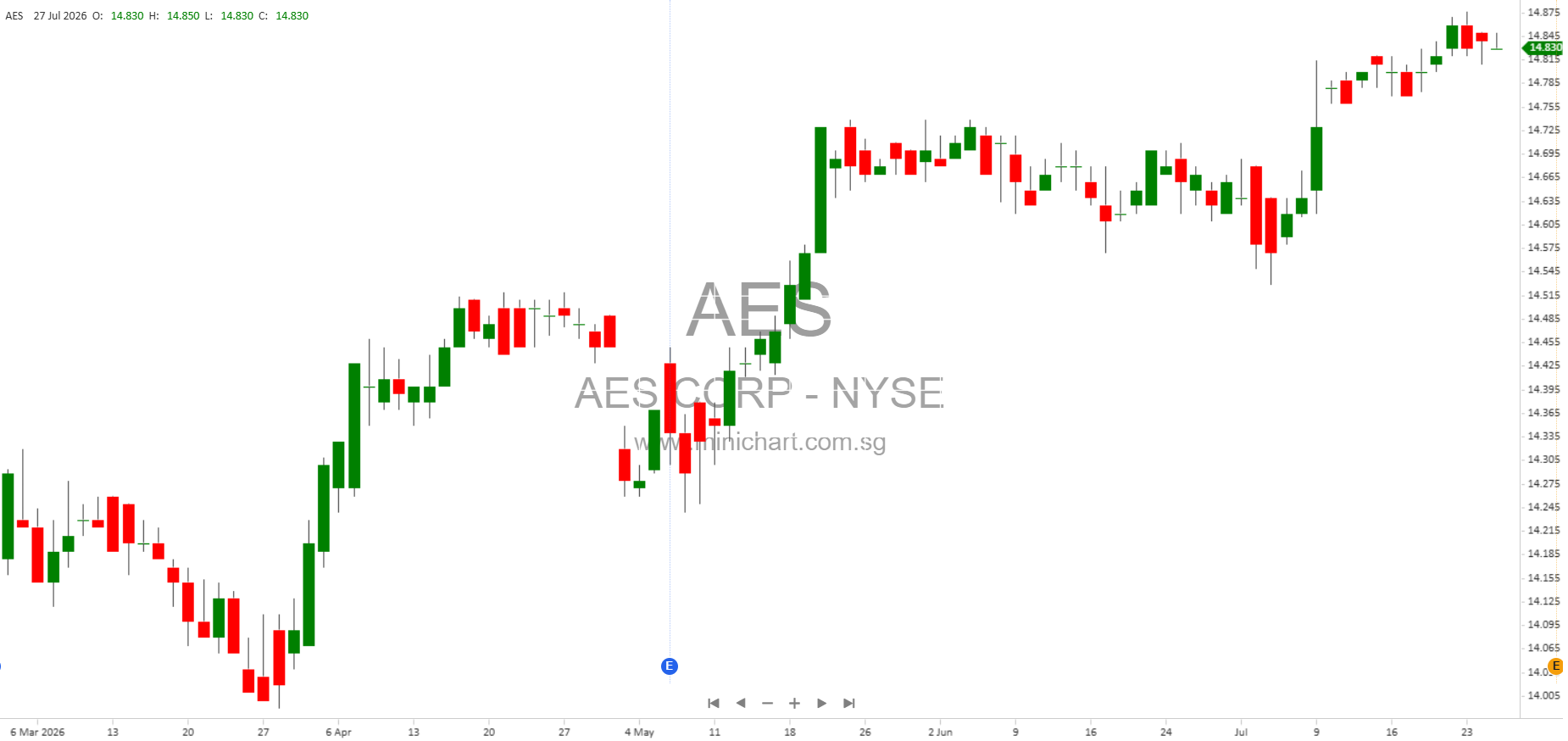
- Merger and Privatization: The impending merger and privatization of AES by major infrastructure funds is a potentially price-sensitive event. Such strategic transactions often lead to significant changes in company valuation, future business direction, and could result in a premium for existing AES shareholders if the merger consideration exceeds the prevailing market price.
- Change in Auditor: While a change in auditor is not uncommon during mergers and acquisitions, investors should always note the reasons and any associated risks. Here, the change is linked to independence rules due to the new ownership and not due to any audit or accounting disagreements.
- Internal Control Weakness: The previously reported material weakness in internal controls is an important governance issue, though it is limited to the disposition process of AES Brasil. Investors should monitor management’s remediation efforts as internal control weaknesses can impact the reliability of financial reporting.
- Regulatory and Compliance: Both the dismissed and incoming auditors have followed SEC protocols, and the company is transparent about correspondence with the SEC, which should give some reassurance to investors.
Conclusion
The AES Corporation’s latest 8-K filing presents material developments, notably its impending merger and shift from EY to KPMG as auditor. The merger, backed by prominent infrastructure investors, and the associated auditor change are both potentially price-moving events. Investors should closely monitor further announcements regarding the merger terms, expected closing, and any subsequent tender offers or shareholder votes. Additionally, while the identified internal control weakness does not relate to core accounting policies, continued oversight is warranted.
AES common stock continues to be listed on the NYSE under the ticker “AES.”
Disclaimer: This article is for informational purposes only and should not be construed as investment advice. Investors should review the original SEC filing and consult with their financial advisors before making investment decisions. The author and publisher assume no responsibility or liability for any errors or omissions in the content of this summary.