Cloudbreak Pharma Inc. Announces Completion of Key Phase 3 Clinical Milestone for CBT-001
Summary of Key Developments
- Cloudbreak Pharma Inc. (Stock Code: 2592) has completed the final 12-month endpoint visit for its Core Product, CBT-001, in a multi-regional Phase 3 clinical trial.
- CBT-001 is a potential first-in-class topical ocular drug targeting pterygium, a prevalent eye disease affecting nearly one billion people globally.
- The study assesses primary efficacy endpoints: reduction in pterygium lesion and improvement in bothersome ocular symptoms.
- Patient recruitment was completed across five jurisdictions: United States, China, New Zealand, Australia, and India, with a total enrollment of 660 patients.
- Cloudbreak expects to deliver top-line 12-month efficacy data in Q3 2026, which, if positive, could lead to multiple simultaneous commercial filings and potentially disrupt the current “surgery only” treatment paradigm for pterygium.
- The company has leveraged the FDA’s 505(b)(2) regulatory pathway, accelerating development by referencing validated safety and efficacy data from previously approved drugs.
- Currently, there is no approved drug therapy for pterygium globally; surgical excision is the only existing treatment option.
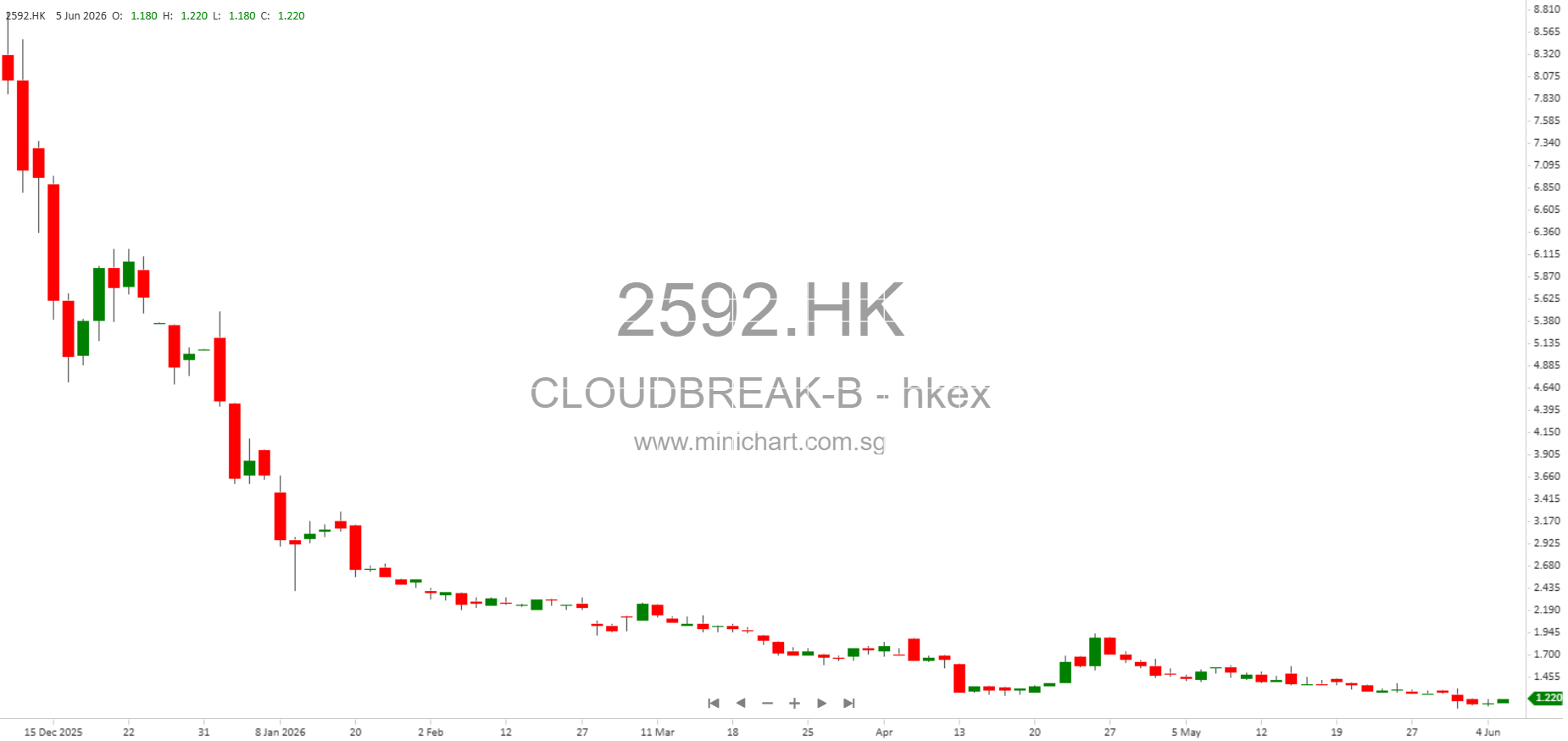
- Completion of this clinical milestone is considered a significant event by the company, potentially price-sensitive and likely to impact share values.
- Cloudbreak has issued a warning that there is no guarantee that CBT-001 or any other Core Product will ultimately be successfully developed, launched, or marketed.
Business and Clinical Details
CBT-001 (nintedanib free base) is formulated as a topical ocular eye drop emulsion. Its mechanism targets multiple receptors (VEGFRs, PDGFRs, FGFRs) implicated in pterygium progression, conjunctival hyperaemia, and other related symptoms. The company’s Phase 3 multi-regional clinical trial (MRCT) began patient enrollment in the United States in June 2022, expanded to China in September 2023, and further broadened to New Zealand, Australia, and India in May and July 2024. Patient recruitment was completed in May 2025.
Pterygium is a disease characterized by abnormal tissue growth over the cornea, causing redness, irritation, vision impairment, and discomfort with contact lenses. It is especially prevalent among people exposed to chronic ultraviolet light, such as outdoor workers and beachgoers.
The completion of the final 12-month endpoint visit means all patients have now reached the timepoint at which primary efficacy outcomes are measured. The company anticipates releasing top-line efficacy and safety data in Q3 2026. Positive results could lead to regulatory submissions across multiple markets and a fundamental change in how pterygium is treated.
Implications for Shareholders
- The completion of this milestone is a significant development and may be price-sensitive, as CBT-001 could become the first approved drug for pterygium treatment worldwide.
- If the upcoming top-line data is positive, it could drive substantial value for the company by opening up new commercial opportunities and disrupting the surgical-only market.
- Investors should note the company’s caution: there is no guarantee of successful development, approval, or commercialization.
- Shareholders are advised to exercise caution and due care in trading the company’s shares, given the potential volatility around clinical trial results and regulatory outcomes.
Corporate Information
The Board of Cloudbreak Pharma Inc. is chaired by Dr. Ni Jinsong (Executive Director and CEO), with a mix of executive, non-executive, and independent non-executive directors. The company is incorporated in the Cayman Islands.
Disclaimer
The information contained in this article is for informational purposes only and should not be construed as investment advice. There is no guarantee CBT-001 or any Core Product will be successfully developed, approved, or marketed. Investors should perform their own due diligence and consult with professional advisors before making any investment decisions. Share prices may be affected by clinical trial outcomes and regulatory events.