Frasers Centrepoint Trust AGM 2026: Detailed Report & Key Investor Takeaways
Introduction & Context
Frasers Centrepoint Trust (FCT) held its Annual General Meeting (AGM) on 23 January 2026 at Frasers House, Singapore. The meeting marked FCT’s twentieth anniversary since its listing on the Singapore Exchange, reflecting on its journey and achievements. The event was attended by the Board of Directors, management, auditors (KPMG LLP), trustee (HSBC Institutional Trust Services), legal advisers (Allen & Gledhill LLP), and a significant number of unitholders.
Key Highlights from FY2025
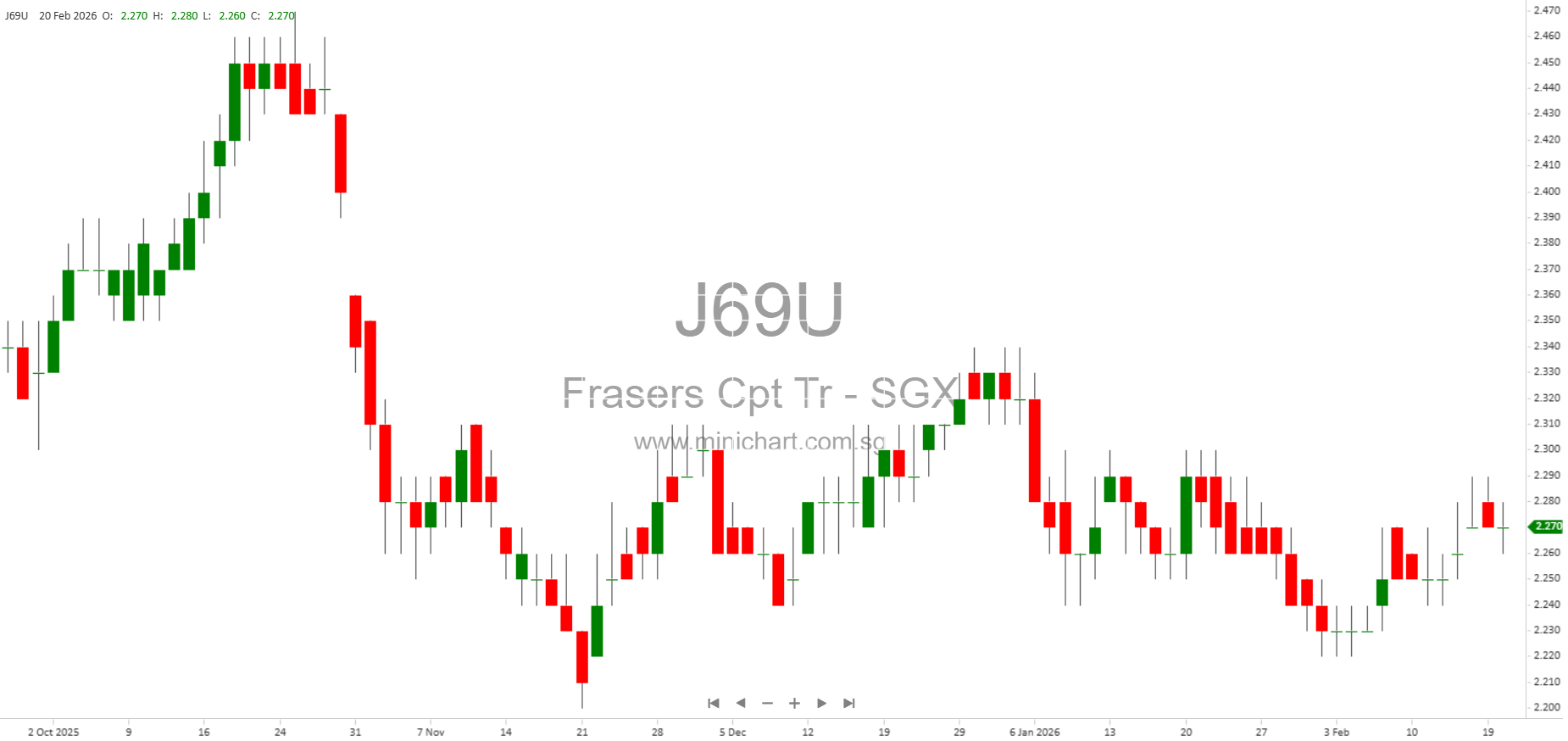
- Consistent Distributions Per Unit (DPU): Despite a challenging economic environment, including the Covid-19 pandemic and high interest rates, FCT maintained a stable DPU over the past five years. Management emphasized their focus on DPU growth, though noted that recent asset acquisitions and enhancement initiatives (AEIs) may take time to reflect fully in DPU.
- Asset Enhancement & Portfolio Expansion: FCT undertook AEIs at existing malls and made acquisitions, notably AsiaRetail Fund Limited in FY2021. These moves expanded FCT’s portfolio and contributed to higher management fees, but the management maintains that the long-term strategy is to deliver sustainable value.
- Divestments & Portfolio Quality: FCT divested approximately S\$850 million in assets that were not aligned with long-term value creation, demonstrating disciplined capital management.
- Equity Fundraising Strategy: In response to unitholder feedback, FY2025’s equity fundraising included a preferential offering, allowing existing unitholders to participate. Management balances successful fund raising with opportunities for unitholders.
- Perpetual Securities Issuance: FCT issued S\$200 million in perpetual securities at 3.98% to bridge funding gaps for acquisitions. Management clarified that perpetuals are not intended to be a regular funding tool but are used when necessary and plans to repay them at maturity.
- Impact of Johor Bahru–Singapore Rapid Transit System (RTS): Management conducted market studies on RTS’s impact, including comparisons with Hong Kong–Shenzhen. They concluded that RTS should not significantly affect Causeway Point or FCT’s northern assets, alleviating investor concerns.
- Net Asset Value (NAV) Per Unit: NAV per Unit has declined from S\$2.30 in FY2021 to S\$2.23 in FY2025, mainly due to a larger base of issued Units post-equity fundraising and fair value adjustments on derivatives. Management expects NAV per Unit to recover if interest rates stabilize and as the benefits of acquisitions and AEIs flow through.
- Cost of Debt: FCT reduced its cost of debt from 4.1% in FY2024 to 3.8% in FY2025. Management hedges 50–70% of debt to balance risk and expects the proportion of hedged debt to decrease as loans are refinanced at lower rates.
Operational & Strategic Insights
- Causeway Point Transformation: Plans to reposition Causeway Point from a suburban mall to a regional centre, leveraging transport connectivity and population growth. Management aims to expand the shopper catchment and enhance trade mix.
- Anchor Tenant Strategy: FCT regularly reviews anchor tenant spaces, adapting to changing consumer trends. Cinema spaces vacated by Cathay Cineplexes are being repurposed or replaced with new operators. Management tracks tenant sales data monthly and adjusts tenancy accordingly.
- Divestment of Yishun 10 Retail Podium: FCT exited Yishun 10, citing diminished relevance of cinemas and substantial retail space gained through Northpoint City South Wing acquisition.
- New Competition in Hougang: Management expects FCT’s malls to remain competitive despite new developments by competitors, citing large population and low retail floorspace per capita.
- Management Fees & Alignment: Increased management fees are attributed to portfolio expansion. Operating expenses as a percentage of AUM have only marginally increased. Several unitholders urged management to align fees with DPU growth, and management indicated openness to review fee structures, benchmarking against industry standards.
- Pipeline for Growth: While FCT’s current focus remains on prime suburban malls, potential acquisitions (such as The Centrepoint, owned by FCT’s sponsor) are not confirmed nor commented on by management.
- Customer Engagement: FCT calibrates trade mix based on consumer demand, including emerging trends such as pre-loved jewellery and pawnshops, and maintains high engagement through surveys and direct conversations.
- Director & CEO Holdings: Only one Director is deemed to hold Units via his spouse. The CEO holds Units as part of compensation. Management cited compliance and conflict-of-interest concerns as barriers for Directors to hold Units, but indicated willingness if opportunities arise.
Voting Results & Approvals
- Ordinary Resolution 1: Adoption of Trustee Report, Manager Statement, Audited Financial Statements, and Auditors’ Report for FY2025 carried with 99.99% approval.
- Ordinary Resolution 2: Re-appointment of KPMG LLP as auditors carried with 99.02% approval.
- Ordinary Resolution 3: Authorisation for the Manager to issue Units and grant convertible instruments carried with 93.71% approval.
- Ordinary Resolution 4: Renewal of the Unit Buy-back Mandate carried with 99.98% approval.
Potentially Price-Sensitive & Investor-Relevant Issues
- Stable DPU Amidst Portfolio Expansion: Management’s focus remains on long-term DPU growth, but investors should note the lag in accretion due to timing of acquisitions and AEIs.
- Declining NAV per Unit: While this trend is attributed to accounting treatment and increased Unit base, ongoing monitoring is warranted as it may affect investor sentiment and valuations.
- Management Fee Structure: Calls for a review and alignment of fees with DPU growth could signal future changes, impacting profitability and investor returns.
- Funding & Perpetual Securities: Management’s stance on perpetuals as a temporary measure, not a long-term funding tool, is positive for capital structure stability.
- Competition & Market Expansion: New mall developments and AEIs in Hougang and elsewhere may affect market positioning and rental income.
- Tenant Mix & Anchor Tenants: Structural changes in retail (e.g., cinemas, department stores) are being actively managed, but may affect mall traffic and rental performance.
- Debt Management: Lower cost of debt and hedging strategies could improve future earnings and NAV if interest rates continue to fall.
Conclusion
The AGM provided valuable insights into FCT’s operational strategy, capital management, and challenges in a changing retail landscape. Investors should monitor the impact of acquisitions, AEIs, debt refinancing, and management fee reviews, as these factors can significantly affect share price and distributions.
Disclaimer: This article is for informational purposes only and does not constitute investment advice. Readers should consult their financial advisors before making any investment decisions. All opinions expressed are based on the AGM minutes and may be subject to change as new information becomes available.