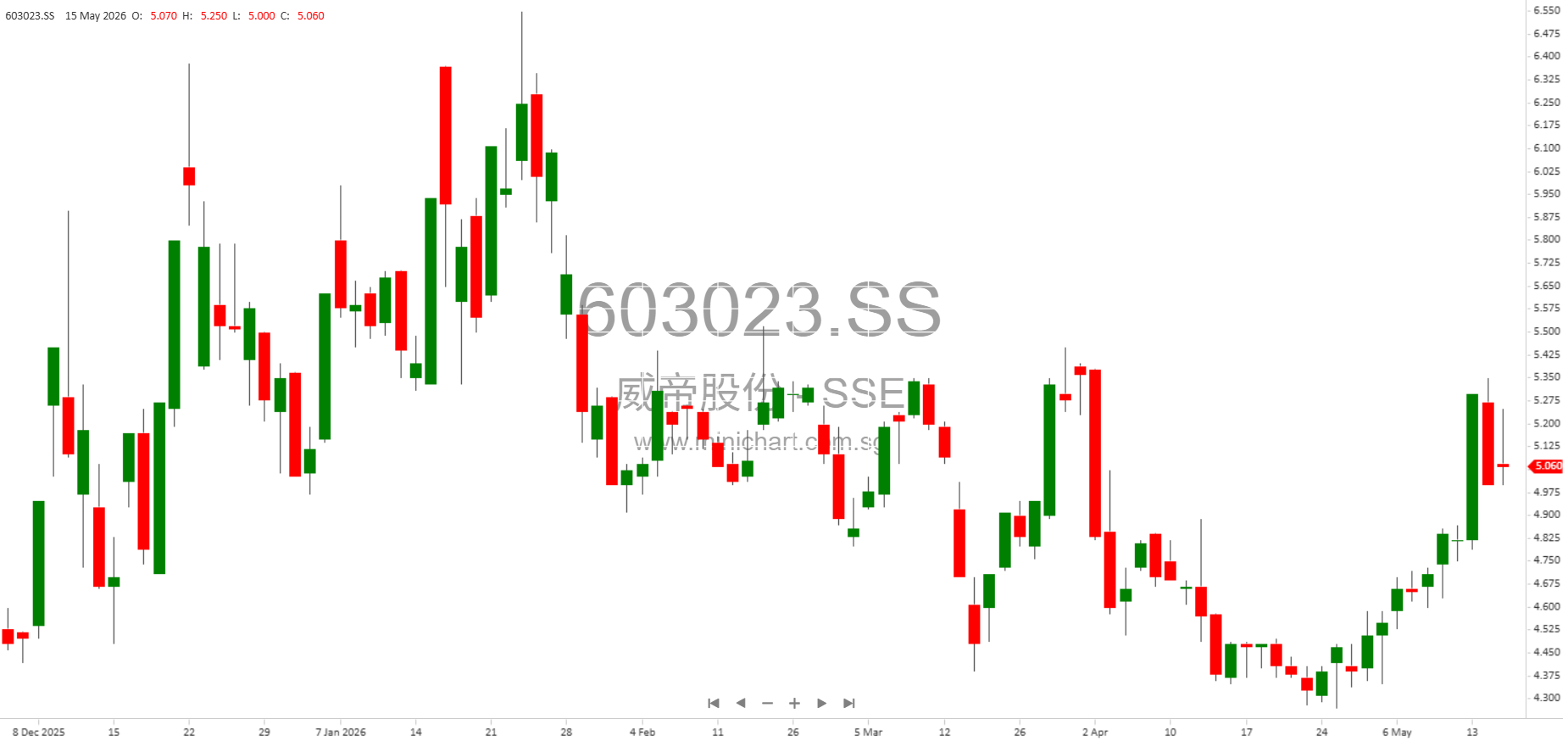
浙商证券发布对哈尔滨威帝电子股份有限公司重大资产重组问询函的详尽核查意见
一、交易概况及董事会异议
哈尔滨威帝电子股份有限公司(威帝股份)计划以现金方式收购玖星精密90.9670%股权,交易总价为109,482.95万元。其中约39,500万元来自自有资金,约70,000万元为并购贷款,贷款期限10年,利率不超过LPR。董事郁琼对该议案投反对票,主要担忧高负债运营及并购贷款带来的财务风险,特别是在标的公司资产负债率明显高于行业平均(2025年10月末65.98%,同期可比公司平均37.57%),且总负债约6.8亿元。
二、标的公司资产负债率与偿债能力分析
玖星精密资产负债率较高,主要因行业票据结算习惯、快速扩张导致资金需求增加、融资渠道有限(非上市公司只能通过银行借款)。但贴现和背书票据未终止确认导致资产负债率高于实际风险水平。剔除票据影响后,资产负债率约56.61%。未来现金流预测显示每年自由现金流均为正,利息保障倍数超30倍,偿债风险可控。
三、支付安排与资金安全
交易价款分六期支付,第一期为定金,后续按协议和业绩承诺完成后分期支付。上市公司账面现金可覆盖2026年资金缺口,预计并购贷款本息偿还不会影响偿债能力和生产经营。标的公司主要需偿还17,358.30万元短期借款和17,079.37万元应付账款,整体负债规模合理。
四、业绩承诺与交易对方履约能力
交易对方业绩补偿覆盖率为100%,补偿义务以取得交易价款为限,资信情况良好。交易安排包括业绩承诺、分期支付、对方购股锁定,上市公司保留、锁定资产约5.73亿元,占交易总价50%以上,保障利益。
五、整合管控与风险提示
上市公司将全面整合标的公司,控制90.9670%股权,通过公司治理、业务、财务、人员等措施实现有效控制。已制定《子公司管理制度》,并对整合风险进行了充分提示,包括核心团队稳定、竞业限制、超额业绩奖励等措施。整合风险在报告书中有专门提示。
六、标的公司业绩与毛利率变化
报告期内营业收入快速增长,但毛利率持续下滑(2023年33.94%,2024年33.01%,2025年10月29.24%,2025年11-12月进一步降至27.13%)。主要原因是产品结构调整、低价产品比重增加、部分订单外协增加人工和制造费用。锂电池电芯外壳产品毛利率大幅下降(2024年22.18%,2025年11.46%),但整体盈利能力未受重大影响。
七、客户集中度与海尔依赖风险
海尔集团为第一大客户,收入占比超50%。行业集中度高,同行公司头部客户占比也很高。玖星精密与海尔合作模式稳固,双方互有需求,客户粘性强,未来业务可持续。期后在手订单金额充足,业务合作稳定。
八、交易估值与商誉风险
本次交易收益法评估值为12亿元,增值率423.67%,商誉将达76,099.66万元,约为合并后净资产的98.83%。估值高于历史增资,主要因业绩快速增长、估值方法不同、取得控制权溢价。与可比公司和交易案例相比,估值和增值率处于合理区间。未来随着盈利增强,商誉占比将逐步下降。
九、应收账款与票据风险
应收账款和票据合计占总资产60%以上,主要客户信用政策稳定,逾期款项期后全部回款,坏账准备计提充分,贴现利率低于计提比例。结算方式与行业一致,票据结算占比较高符合家电行业惯例。
十、固定资产与产能利用率
固定资产规模约与同行业公司相符,产能利用率与收入趋势匹配。部分产能提前布局,资产成新率较高,预测期产能利用率未超100%。除消费电子业务外,后续无需大规模投资扩产,新增资本支出已充分考虑。
十一、对股东和股价的影响(价格敏感信息)
- 本次重组将大幅提升上市公司收入和盈利能力,但资产负债率和商誉占比也显著提升,若出现业绩不达预期或整合不顺,可能影响股价。
- 业绩承诺和补偿安排为上市公司提供较好保障,但需关注补偿履行情况及未来商誉减值风险。
- 标的公司对海尔集团高度依赖,行业风险需警惕。
- 应收账款及票据占比高,若客户付款出现延迟或信用状况恶化,可能影响现金流和财务安全。
- 资产负债率大幅升高,未来偿债能力需持续关注。
免责声明
本文基于公开文件整理,仅供投资者参考,不构成投资建议。投资者应根据自身风险承受能力进行决策,上市公司未来业绩受多因素影响,本文所述预测和分析不代表公司保证。
English Version
Zhejiang Securities Issues Detailed Due Diligence Report on Harbin Weidi Electronics’ Major Asset Restructuring
1. Transaction Overview & Board Opposition
Harbin Weidi Electronics plans to acquire 90.9670% of Jiuxing Precision via cash, total price RMB 1,094.83 million, with RMB 395 million from own funds and RMB 700 million from M&A loans (10-year term, rate no more than LPR). One director voted against, citing concerns over high leverage and M&A loan risks, especially as the target has a high debt ratio (65.98% in Oct 2025 vs. peer average 37.57%), with total liabilities around RMB 680 million.
2. Debt Ratio & Repayment Ability
Jiuxing’s high debt ratio stems from industry bill settlement habits, fast expansion, and limited financing channels. After deducting non-terminated discounted bills, actual risk is lower (debt ratio around 56.61%). Cash flow projections show positive free cash flow annually; interest coverage over 30x; repayment risk is controllable.
3. Payment Arrangement & Funding Safety
The deal is paid in six installments (deposit, post-contract, post-delivery, post-performance). Company’s cash balance can cover 2026 deficit; loan repayment will not affect solvency or operations. Main debts are RMB 173.58m short-term loans and RMB 170.79m payables, considered reasonable.
4. Performance Commitment & Counterparty Ability
Compensation covers up to 100% of transaction price; counterparties are credible. Arrangements include performance commitment, phased payment, and share purchase lock-up, with over RMB 573m retained/locked assets (over 50% of deal price).
5. Integration Control & Risk Disclosure
Post-deal, the listed company will integrate governance, business, finance, personnel, with 90.9670% control and detailed management systems. Risks of integration are explicitly disclosed.
6. Performance & Margin Changes
Revenue grew fast but gross margin declined (33.94% in 2023, 33.01% in 2024, 29.24% in Oct 2025, 27.13% in Nov-Dec 2025). Causes: product mix shift, more low-price items, outsourcing raised costs. Battery shell margins fell sharply but overall profitability not materially impacted.
7. Client Concentration & Haier Dependency
Haier accounts for over 50% revenue. High concentration matches industry norms; peer companies also rely heavily on key clients. Relationship with Haier is stable, with strong client stickiness; future business sustainability is good, with sufficient orders.
8. Valuation & Goodwill Risk
Valuation is RMB 1.2bn with goodwill of RMB 760.99m, about 98.83% of combined net assets. Valuation higher than previous rounds due to growth, method, control premium. Compared to peers and deals, valuation and premium are reasonable. Goodwill ratio will decline as profits rise.
9. Receivables & Bill Risk
Receivables and bills exceed 60% of assets; customer policies unchanged; overdue items are all collected; provisions are adequate. Settlement mode matches industry practice; bill settlements are common for major clients.
10. Fixed Assets & Capacity Utilization
Fixed asset scale matches peers; capacity utilization aligns with revenue trends. Some capacity was pre-built; asset age is high; capacity utilization is under 100% in forecast. Except for new consumer electronics, no major capacity expansion needed; new capex is fully considered.
11. Shareholder and Price-Sensitive Information
- This restructuring will significantly boost revenue and profit, but will also raise debt ratio and goodwill substantially. If integration fails or performance falls short, share price may be impacted.
- Performance commitment and compensation arrangements provide strong protection, but fulfillment and future goodwill impairment risks must be monitored.
- High reliance on Haier is an industry norm, but still a risk factor.
- Receivables and bill proportions are high; any deterioration in customer payments could affect cash flow and financial safety.
- Debt ratio increases sharply; future solvency risk needs ongoing attention.
Disclaimer
This article is based on public filings for information only and does not constitute investment advice. Investors should make decisions based on their risk tolerance. Forecasts are not guarantees.