JD Logistics 2025 Annual Report: Key Insights and Price-Sensitive Information for Investors
Financial Performance and Earnings
- Revenue Growth: JD Logistics reported robust revenue growth for the year ended December 31, 2025, with total revenue reaching RMB 217.1 billion, up from RMB 182.8 billion in 2024, indicating a year-on-year increase of 18.8%.
- Profitability: The company achieved a gross profit of RMB 19.77 billion (2024: RMB 18.7 billion). Profit attributable to owners of the company was RMB 6.65 billion, up from RMB 6.20 billion in the previous year. Basic earnings per share were RMB 1.06, compared to RMB 1.00 in 2024.
- EBITDA (Non-IFRS): Non-IFRS EBITDA was RMB 20.6 billion, with an EBITDA margin of 9.5% (down from 11.1% in 2024). The decline in margin was mainly due to increased competition and cost pressures, despite higher overall profitability.
- Cash Flow and Liquidity: Net cash used in investing activities reached RMB 11.5 billion, mainly due to significant investments in financial products and capital expenditures. Net cash used in financing activities was RMB 14.8 billion, reflecting repayments of borrowings and lease payments.
- Borrowings: As of December 31, 2025, outstanding borrowings stood at RMB 4.4 billion, down from previous years, indicating continued deleveraging.
- No Final Dividend Recommended: The Board did not recommend a final dividend for 2025. The company’s distributable reserves amounted to RMB 52.2 billion.
Strategic Developments
- Delisting of Deppon: JD Logistics completed the acquisition of Deppon, with the group holding approximately 99.7% of Deppon shares after a successful cash option exercise by minority shareholders. Deppon was delisted from the Shanghai Stock Exchange on March 31, 2026. This consolidation is significant and may enhance JD Logistics’ market presence and operational integration in China’s logistics sector.
- No Other Major M&A: Other than the Deppon transaction, there were no material acquisitions or disposals of subsidiaries or affiliated companies, and no investments exceeding 5% of the group’s total assets.
- No Immediate Plans for Major New Investments: As of year-end, there are no announced plans for additional material investments or capital assets.
Operational Highlights and Workforce
- Employee Headcount: JD Logistics employed 682,705 staff as of year-end, with 96% involved in operations, highlighting its scale and operational intensity.
- Remuneration Policy: The company operates three share-based incentive schemes to retain and motivate staff and executives: Pre-IPO ESOP, Post-IPO Share Option Scheme, and Post-IPO Share Award Scheme.
- Significant Share-Based Grants: During 2025, 48.58 million award shares were granted, and 29.4 million new shares were issued under the Post-IPO Share Award Scheme. As of year-end, 232.26 million new shares remain available for issue under the scheme mandate.
Governance, Risk, and Compliance
- Board Changes: Zhenhui Wang was appointed CEO (Executive Director) on November 13, 2025, succeeding Wei Hu who resigned the same day. Laura J. Peterson and Yi Hoi Tang were appointed as Independent Non-Executive Directors (INEDs) during the year.
- Corporate Governance: The company asserts compliance with all material aspects of Hong Kong’s CG Code, with well-established board committees for audit, remuneration, and nomination.
- Risk Factors: Key risks include dependency on JD Group for a significant portion of revenue, intense competition, regulatory uncertainties in China (especially regarding foreign investment in logistics), historical net losses, and risks associated with contractual arrangements with VIEs (variable interest entities).
- Internal Controls: The Audit Committee and internal audit team perform annual reviews of risk management and internal control effectiveness, with no material weaknesses reported.
Connected Transactions and Related Party Disclosures
- Continuing Connected Transactions: The company discloses several ongoing related party transactions, notably with Dada Group. These transactions are subject to regular internal and auditor review, with no breaches of Listing Rules or annual caps.
- Contractual Arrangements: JD Logistics maintains VIE structures to comply with PRC regulations restricting foreign investment in domestic express delivery. These arrangements are reviewed and confirmed by both INEDs and auditors as being in the ordinary course of business, on normal terms, and in the shareholders’ best interests.
Capital Structure and Shareholder Matters
- Share Schemes and Potential Dilution: Extensive share-based compensation schemes could result in further dilution for shareholders, with hundreds of millions of shares still available for grant or issue.
- Shareholder Rights and Communication: The company has established procedures for shareholder engagement, including requisitioning meetings and proposing director candidates, and has adopted a clear communication policy.
- Public Float Maintained: JD Logistics confirms compliance with the Hong Kong Stock Exchange’s public float requirements.
Important Events After the Reporting Date
- No Subsequent Material Events: No significant events affecting the company occurred after December 31, 2025, up to the publication date of the report.
Key Takeaways and Potential Share Price Implications
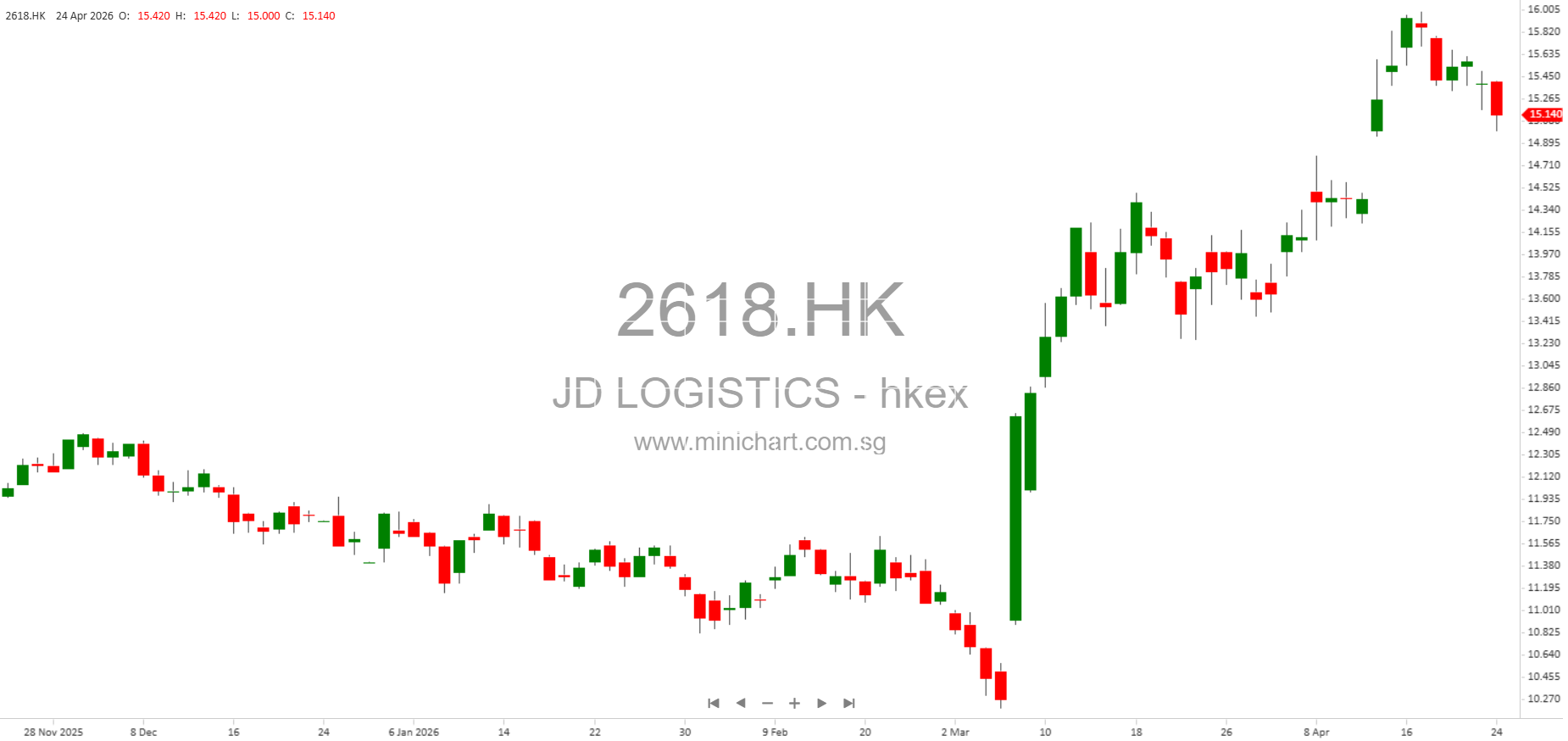
- Revenue and Profit Growth: The strong increase in revenue and net profit, despite margin compression, reinforces JD Logistics’ growth trajectory. This may positively impact investor sentiment and share value.
- Deppon Acquisition and Delisting: The near-complete acquisition and delisting of Deppon is a major strategic development, likely to enhance JD Logistics’ market share and operational efficiency in China—potentially boosting long-term earnings.
- No Dividend Declared: The absence of a dividend despite strong reserves may disappoint income-focused investors and could be a short-term negative for the share price.
- Ongoing Risks and Concentration: Continued heavy reliance on JD Group for revenue, regulatory risks, and large share-based compensation plans are key risks that may affect valuation.
- Financial Position: The company maintains a robust balance sheet with significant cash reserves and a moderate debt load, supporting future growth and resilience.