Dongguang Chemical Limited: 2025 ESG Report – In-Depth Analysis for Investors
Executive Summary
Dongguang Chemical Limited, a major coal-based urea producer headquartered in Hebei Province, China, has released its 2025 Environmental, Social, and Governance (ESG) Report. The comprehensive report details the Group’s environmental performance, corporate governance, social responsibility initiatives, risk management, and future growth strategies. This article distills key findings and highlights information that may be material for current and prospective investors.
Key Highlights and Potentially Price-Sensitive Developments
- Strong ESG Governance and Board Oversight: The Board of Directors plays a proactive role in ESG strategy, climate risk assessment, and compliance with international disclosure standards. The integration of climate-related risks into strategic decision-making is cited as a source of competitive advantage and risk mitigation.
- Production Expansion and Technological Upgrades: In 2025, the Group invested in advanced production technologies and underwent significant environmental upgrades, including achieving “zero discharge” of wastewater, waste gas, and residue in key processes. The company has been shortlisted as a national green factory and is recognized by the Ministry of Industry and Information Technology, positioning it as an industry leader in green manufacturing.
- Product Portfolio Diversification: The Group continues to focus on urea production but is actively expanding into automotive urea, slow-release urea, compound fertilizers, methanol, liquid CO2, and LNG. The launch of new products addresses both agricultural and automotive markets and supports compliance with increasingly stringent emission standards for vehicles.
-
Solid Financial and Environmental Performance:
- Emissions: Emission intensity of nitrogen oxides and sulfur oxides remained below regulatory limits, with further reductions achieved year-on-year.
- GHG Emissions: Total carbon footprint for 2025 was 782,178.25 tons CO2e (Scope 1 & 2), higher than 2024 due to lower product sales prices. Scope 3 emissions also increased, but the company’s ongoing carbon capture and utilization programs (especially liquid CO2 production) are mitigating some direct emissions.
- Waste Management: Hazardous waste emissions dropped to 4.63 tons in 2025 from 5.79 tons in 2024, while general waste emissions were marginally higher. Comprehensive systems for hazardous and non-hazardous waste management are in place.
- Water & Energy Management: Notable investments in water recycling, reclaimed water systems, and energy-saving upgrades have been implemented, including steam recovery, waste heat utilization, and process optimization.
- Climate Risk Management and Scenario Analysis: The Group conducted rigorous scenario analyses based on IPCC models (RCP4.5, RCP8.5, SSP1-2.6, SSP2-4.5) through to 2050. The conclusion is that the Group’s physical and transition risks are manageable, with no material financial impact identified in the current reporting period. The company maintains comprehensive insurance coverage and anticipates no significant asset or liability adjustments due to climate factors in the near term.
- Workforce and Social Responsibility: Dongguang Chemical employs 1,219 staff with a low turnover rate (0.82%). The company strictly adheres to labor laws, provides comprehensive health and safety programs, and reported zero workplace injuries or fatalities for three consecutive years. Extensive employee training and development programs are in place.
- Supply Chain and Anti-Corruption Measures: The company employs rigorous supplier evaluation and selection processes, emphasizing social responsibility and compliance. There were no reported corruption or compliance cases in 2025, and a whistleblowing policy is established.
- Customer and Community Engagement: The Group maintains robust customer relationship management, a strong focus on product quality and safety, and is active in community welfare and emergency response.
-
Future Strategy and Risk Outlook:
- External Risks: Rising energy costs and volatile urea market prices may impact competitiveness and sales performance. The company is responding by diversifying its product portfolio, expanding downstream, and adopting new technologies for efficiency.
- Internal Risks: The Group is investing in R&D, employee skills, and digital transformation to mitigate risks related to management, technical competence, and operational safety.
- Growth Strategy: Plans to increase production capacity, improve quality, expand the value chain (notably into automotive urea), and pursue strategic partnerships and acquisitions are outlined as key drivers for sustained, stable development.
Key Takeaways for Investors
- Recognition as a National Green Factory and ongoing environmental upgrades may strengthen the company’s brand value and open up new business opportunities, especially as regulatory and customer requirements around sustainability mount.
- Stable environmental compliance and risk management reduce the probability of regulatory penalties or operational disruptions, supporting long-term earnings stability.
- Product diversification and expansion into automotive and specialty urea products could tap into new, higher-margin markets and offset volatility in traditional fertilizer sales.
- Prudent financial management and capital allocation have ensured that recent investments in environmental and technological upgrades have had no material negative impact on the Group’s financial position.
- Labor stability and a strong safety record are positives for operational reliability and regulatory relations.
-
Potential price-moving factors:
- Any significant regulatory changes, energy cost spikes, or market price swings in urea could materially affect financials given the business mix.
- Successful commercialization of new products (e.g., automotive urea, slow-release urea) and expansion into related value chains could drive future revenue and margin growth.
- Recognition as a green manufacturing leader and further government endorsements or incentives may enhance market positioning and lead to re-rating by ESG-focused investors.
Conclusion
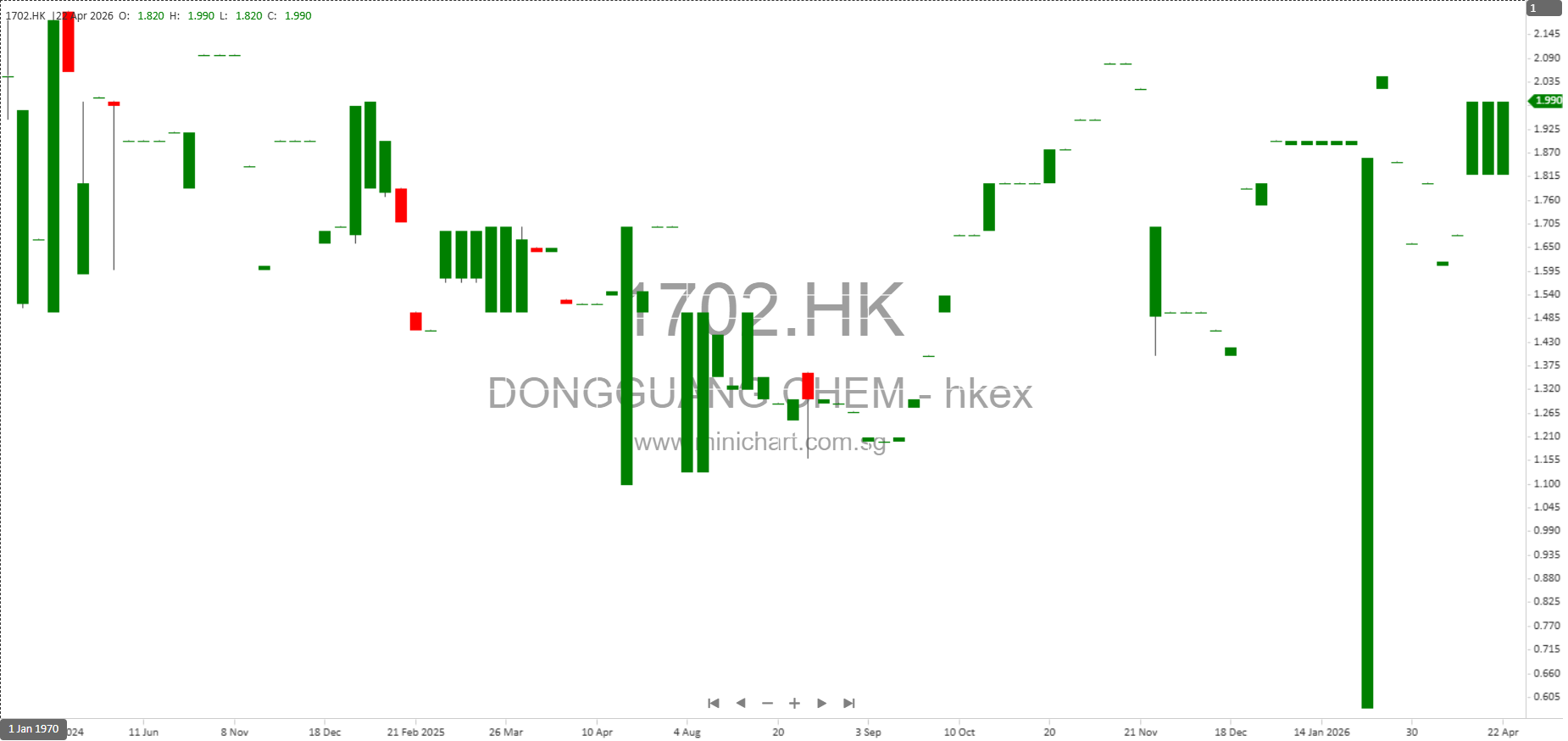
Dongguang Chemical Limited’s 2025 ESG report demonstrates significant progress in environmental management, product innovation, and governance. The company’s strategic pivot toward green manufacturing, product diversification, and proactive risk management positions it well for future growth and resilience in a rapidly evolving regulatory and market environment. Investors should monitor developments in the Group’s product expansion, regulatory compliance, and progress toward ESG objectives, as these could have material implications for the Group’s valuation and share price.
Disclaimer: This article is for informational purposes only and does not constitute investment advice. Investors should conduct their own due diligence and consult professional advisors before making investment decisions related to Dongguang Chemical Limited or any other security.