Nanjing Leads Biolabs Announces First Patient Enrolled in Phase II Trial of LBL-024 (Opamtistomig) for First-Line Gastric and Gastroesophageal Junction Adenocarcinoma
Key Investment Highlights:
- Nanjing Leads Biolabs (Stock Code: 9887) has commenced a Phase II clinical trial for its novel bispecific antibody, LBL-024 (Opamtistomig), targeting first-line treatment of locally advanced or metastatic gastric or gastroesophageal junction adenocarcinoma.
- The first patient has been successfully enrolled in this multi-center, open-label study led by Professor Shen Lin of Beijing Cancer Hospital and conducted across several hospitals in China.
- LBL-024 is a globally innovative bispecific antibody simultaneously targeting PD-L1 and 4-1BB, designed using the company’s proprietary X-body® platform.
- LBL-024 is the first 4-1BB targeted therapy to enter registrational trials worldwide for extrapulmonary neuroendocrine carcinoma (EP-NEC) and has received multiple regulatory designations, including Breakthrough Therapy, Orphan Drug, and Fast Track status from major regulatory bodies, highlighting its potential for expedited development and significant clinical need.
Trial Details and Drug Mechanism
The Phase II trial aims to rigorously assess the efficacy and safety of Opamtistomig (LBL-024) in patients with advanced gastric or gastroesophageal junction adenocarcinoma. The drug leverages a 2:2 bispecific antibody structure, allowing it to simultaneously block PD-L1-mediated immunosuppression and activate 4-1BB-driven T-cell responses, potentially resulting in a synergistic anti-tumor effect. This mechanism is expected to outperform traditional PD-1/PD-L1 inhibitors, particularly in “cold tumors” that are resistant to current immunotherapies.
Previous Clinical Results and Regulatory Milestones
- LBL-024 has already shown encouraging signs of efficacy and a favorable safety profile in two clinical trials involving patients with advanced EP-NEC, both as a standalone treatment and in combination with chemotherapy.
- The drug received approval from the China National Medical Products Administration (NMPA) for a single-arm registrational trial in April 2024.
- LBL-024 was granted Breakthrough Therapy Designation by the NMPA in October 2024, Orphan Drug Designation by the US FDA in November 2024, Fast Track Designation by the FDA in January 2026, and Orphan Drug Designation by the European Commission in January 2026.
- In addition to EP-NEC, LBL-024 has demonstrated promising signals in several high-unmet-need tumor types, including small cell lung cancer (SCLC), biliary tract cancer (BTC), ovarian cancer (OC), non-small cell lung cancer (NSCLC), esophageal squamous cell carcinoma (ESCC), hepatocellular carcinoma (HCC), gastric cancer (GC), triple-negative breast cancer (TNBC), and melanoma. Early data indicate clinical activity in NSCLC, SCLC, BTC, and OC.
Market Opportunity: Gastric and Gastroesophageal Junction Adenocarcinoma
Gastric cancer (GC) is a major global health burden, with approximately 968,000 new cases and 660,000 deaths reported in 2022, making it the fifth most common cancer and fourth leading cause of cancer death worldwide. China is particularly affected, accounting for 37.1% of new cases and 39.4% of deaths globally. Most cases in China are diagnosed at an advanced stage due to lack of early symptoms, resulting in a poor prognosis and a five-year survival rate of only around 9%. This presents a significant market opportunity for innovative treatments like LBL-024.
Potential Share Price Sensitivity and Shareholder Considerations
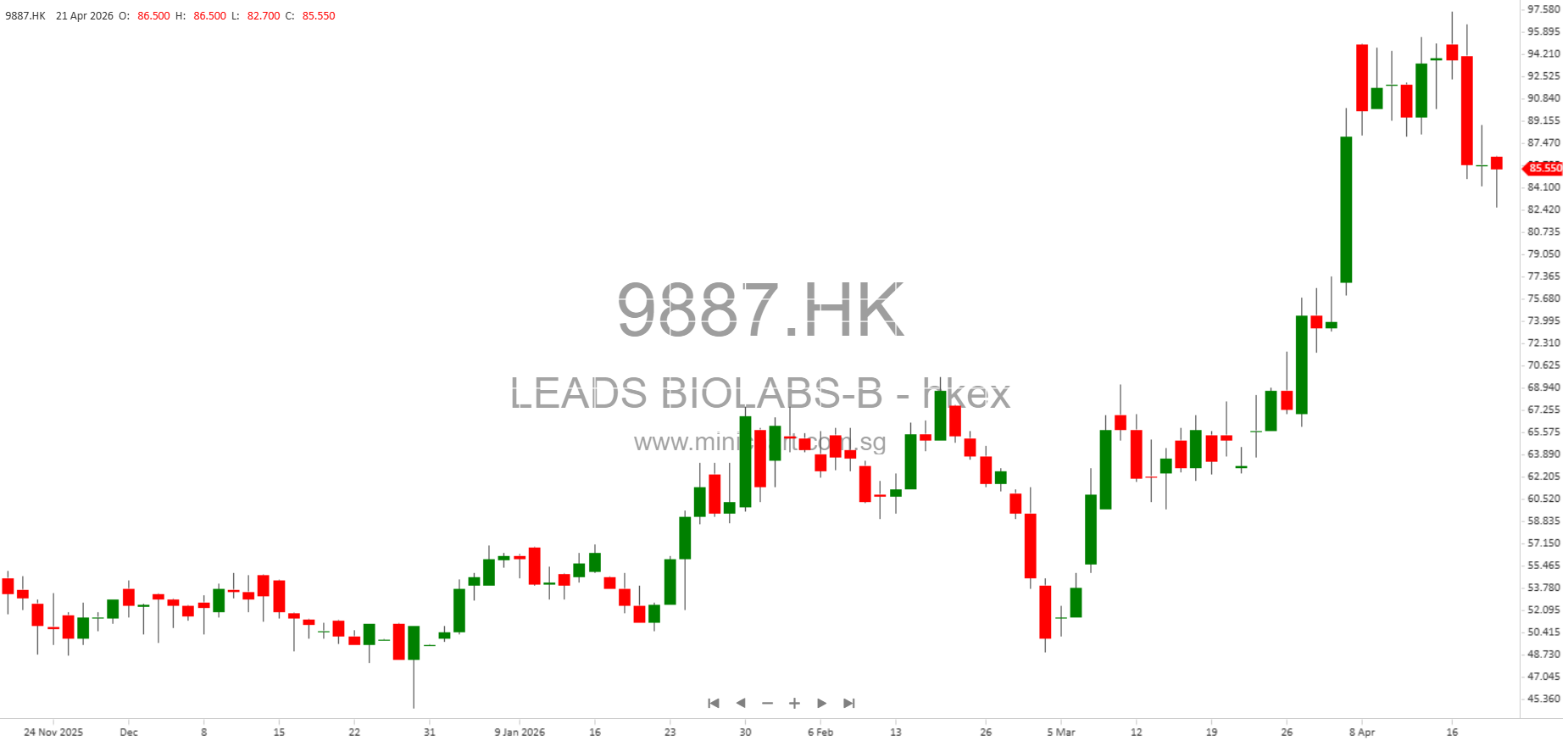
- The successful enrollment of the first patient in this pivotal Phase II trial marks an important clinical milestone and may signal increased investor confidence in LBL-024’s development trajectory.
- Given the drug’s multiple regulatory designations and its “first-in-class” or “best-in-class” potential, further positive clinical data could significantly enhance the company’s value proposition and drive share price appreciation.
- However, shareholders should be aware of the inherent risks in drug development. The company explicitly cautions that there is no guarantee LBL-024 will ultimately be successfully developed or marketed.
Board of Directors
As of April 21, 2026, the Board is comprised of Dr. Kang Xiaoqiang (Chairman, Executive Director, CEO), Dr. Lai Shoupeng, Mr. Zuo Honggang (Executive Directors), Mr. Zhang Yincheng, Dr. Chen Renhai, Dr. Ni Jia (Non-Executive Directors), and Dr. Zhang Hongbing, Mr. Du Yilong, Ms. Du Jiliu (Independent Non-Executive Directors).
Disclaimer: This article is for informational purposes only and does not constitute investment advice. The development and commercialization of new drug candidates are subject to significant risks and uncertainties. Past performance and regulatory designations are not indicative of future results. Investors should conduct their own due diligence and consult professional advisers before making any investment decisions.