Delfi Limited Responds to Shareholder Questions: Key Insights for Investors from the 2025 Annual Report
1. Cocoa Price Collapse: Timing and Impact on Delfi’s Margins
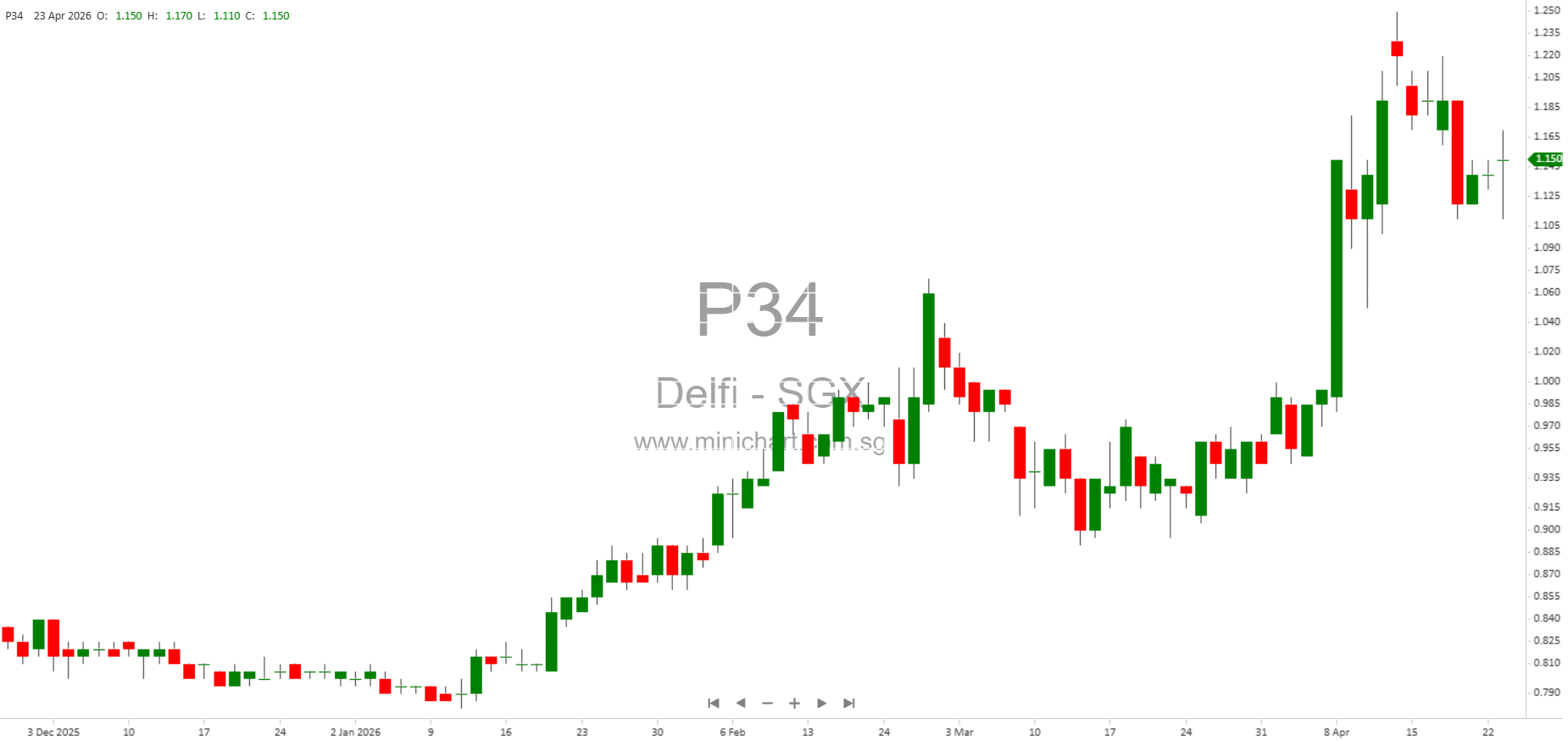
Delfi Limited acknowledges the recent dramatic fall in cocoa prices—approximately 75% from the 2025 peak—which is expected to benefit chocolate manufacturers. However, due to industry-wide hedging practices during the price spike in 2024 and 2025, the positive impact on margins will not be immediate. The company anticipates a lag before lower input costs are reflected, as existing forward contracts must expire and inventories are depleted. Delfi projects a gradual margin recovery rather than an instant improvement, dependent on inventory levels and contract durations. This is a crucial point for investors: margin expansion may take several quarters, and the timeline is not fixed.
The company also warns that ongoing geopolitical uncertainty, particularly the Middle East conflict, may temper the benefits expected from lower cocoa prices. Delfi is focused on disciplined pricing and operational efficiency to navigate these headwinds. Any unexpected acceleration in margin recovery or changes in conflict-related risks could be price sensitive.
2. Capital Expenditure Strategy and Outlook
Delfi’s capital allocation is guided by four pillars: maintaining infrastructure, driving productivity, expanding capacity, and sustainability. After significant expansion investments in FY2023 and FY2024, the company shifted focus in FY2025 to production automation, labour efficiency, and food quality. Near-term capital expenditure will be more moderate, prioritising productivity enhancements. Delfi retains flexibility to accelerate or defer investments depending on market conditions, ensuring financial prudence and the ability to capture growth opportunities. This dynamic approach could impact the company’s growth trajectory and profitability, potentially affecting investor sentiment.
3. Middle East Conflict and Strait of Hormuz Closure: Operational Impact
The ongoing conflict in the Middle East and disruptions at the Strait of Hormuz have increased macroeconomic uncertainty and driven up energy and logistics costs. Delfi’s core strengths—heritage brands, manufacturing efficiency, and robust distribution—are helping to mitigate these effects. The company’s domestic focus in Indonesia, Malaysia, and the Philippines provides some insulation from global shocks, though these economies still face exposure as fossil-fuel-dependent nations.
Delfi anticipates upward pressure on operating costs and has proactively increased purchases of potentially affected raw materials. Government-supported programs like fuel subsidies and electricity tariff freezes in Indonesia and Malaysia are temporarily softening the impact. However, Delfi remains vigilant for longer-term risks if the conflict persists, which could result in elevated production costs and weaker consumer demand. The expected benefits from lower cocoa prices may partially offset these higher costs, but the situation remains fluid and potentially price sensitive.
4. CEO Succession Planning: Ensuring Stability
Succession planning is a core mandate for Delfi’s Board. The company has decentralised decision-making and cultivated a strong leadership bench, ensuring resilience and continuity. While there is no named “CEO-designate,” several internal leaders are actively mentored to assume broader responsibilities if needed. The Board’s strategy is designed to minimise disruption in the event of a leadership transition, maintaining stability and continuity for investors.
5. Agency Brands Segment: Cost Pass-Through Limitations
Delfi’s Agency Brands operate as a margin-driven distribution business. The ability to pass on higher energy costs depends on principals’ pricing strategies and market conditions, with cost pass-through typically partial and not immediate. This limits Delfi’s flexibility in offsetting cost increases and may impact margins if costs rise further.
6. Currency Volatility: Mitigation Framework
Regional currency depreciation, exacerbated by the Middle East conflict and higher energy prices, primarily affects Delfi via increased US Dollar-denominated raw material costs and translational impacts on reported results. Delfi employs operational efficiency, proactive pricing, and product innovation to manage these risks. The company’s strong balance sheet and cash flow provide resilience, supporting margins and operational stability.
7. Governance Restructuring: Executive Chairman Appointment
Following the retirement of the previous Chairman due to tenure limits, Delfi has appointed Group CEO, Mr. John Chuang, to the dual role of Executive Chairman. This move is intended to ensure strategic continuity during a complex period for the industry. Mr. Chuang’s 45 years of experience are seen as critical to guiding the company. To maintain governance balance, Mr. Chin Koon Yew has been appointed Lead Independent Director, with Independent Directors remaining a majority on the Board and committees. This structure is designed to mitigate concentration of power and preserve independent judgment, addressing potential investor concerns about governance risks.
8. Comparison with Barry Callebaut: Delfi’s Unique Position
Investors should note that Delfi’s business model is distinct from Barry Callebaut’s. While Barry Callebaut is a global upstream cocoa processor facing challenges from collapsed cocoa prices and reduced B2B demand, Delfi operates as a downstream branded chocolate confectioner focused on regional consumer demand. Delfi is not exposed to the same volume and supply disruption risks as ingredient processors. The company’s reliance on heritage brands and consumer sales provides relative stability, even in volatile commodity markets. This differentiation should reassure investors regarding Delfi’s resilience.
Key Takeaways for Investors
- Gradual margin recovery expected from lower cocoa prices, with potential delays due to hedging and inventory cycles.
- Operational costs may rise due to Middle East conflict and energy market volatility; government support is mitigating but risks remain.
- Capital expenditure will be moderate and flexible, supporting productivity and sustainability.
- Leadership succession is robust, minimising disruption risks.
- Governance changes ensure continuity and oversight amid industry challenges.
- Delfi’s business model offers resilience relative to upstream cocoa processors facing acute challenges.
Potential Share Price Sensitivities
- The timing and extent of margin recovery from lower cocoa prices.
- Prolonged conflict in the Middle East and its impact on costs and demand.
- Changes in capital expenditure plans and productivity enhancements.
- Leadership or governance transitions.
- Currency volatility and its effect on reported results.
Disclaimer: This article is for informational purposes only and does not constitute investment advice or a recommendation to buy or sell any security. Investors should consider their own circumstances and seek professional advice before making investment decisions. All information is sourced from Delfi Limited’s 2025 Annual Report and responses to shareholder questions as of April 2026. The situation is subject to change and may be impacted by future developments not reflected in this report.