Bank of Gansu 2025 Annual Report: In-Depth Analysis and Key Updates for Investors
Overview and Strategic Focus
The Bank of Gansu’s 2025 Annual Report provides a comprehensive review of its operational and financial performance, strategic direction, risk management, and corporate governance, offering valuable insights for shareholders and investors.
Key Financial Highlights
- Total assets: RMB 435.9 billion, marking a 5.1% year-on-year increase.
- Total deposits from customers: RMB 337.5 billion, up 5.0% from the previous year.
- Total loans and advances to customers: RMB 229.6 billion, a slight decrease of 0.8% year-on-year.
- Non-performing loan (NPL) ratio: 1.93%, unchanged from 2024, indicating stable asset quality.
- Provision coverage ratio: 130.83%.
- Capital adequacy ratio: 12.07%; core tier-one capital adequacy ratio: 11.07%.
- Liquidity coverage ratio: 234.01% (up from 190.88% last year), Leverage ratio: 7.97% (well above the regulatory minimum of 4%).
- Operating income: RMB 5.42 billion.
- Dividend proposal: RMB 1.18 (tax inclusive) per 10 shares, totaling RMB 1,778.2 million, pending approval at the 2025 AGM.
Strategic Initiatives and Development Plan
- The Bank is focused on becoming a “listed urban commercial bank with high-quality development and a comprehensive financial service provider of first choice in the region.”
- Key strategic initiatives include:
- Strengthening government financial business as a cornerstone for growth.
- Transforming and upgrading traditional retail and corporate businesses.
- Expanding emerging businesses such as special asset operations to drive profit growth.
- Enhancing risk and internal control, compliance, asset-liability management, omni-channel management, and digitalization capabilities.
- Pursuing differentiated development and leveraging the advantages of a provincial urban commercial bank.
Risk Management and Asset Quality
- The Bank has implemented a comprehensive risk management framework covering credit risk, market risk (interest rate and exchange rate), operational risk, and liquidity risk.
- Credit risk is managed via stringent credit approval, regular monitoring, and post-investment risk management, especially across wealth management and bill discounting businesses.
- Market risk is managed using techniques such as duration analysis, sensitivity analysis, scenario analysis, and stress testing.
- Interest rate sensitivity analysis indicates that a 100 basis point rise or fall could shift net profit by approximately RMB 354 million, highlighting the Bank’s exposure to interest rate changes.
Corporate Governance and Shareholder Rights
- The Bank emphasizes high standards in corporate governance, aligning with Hong Kong Listing Rules and PRC regulations.
- Key governance features include a robust Board structure, dedicated committees (audit, strategy, nomination and remuneration, risk management, consumer rights protection), and comprehensive disclosure practices.
- Shareholders holding 10% or more can request extraordinary general meetings. Those with 1% or more can propose resolutions and nominate directors, including independent directors.
- No controlling shareholder or de facto controller; the public float of H shares stands at approximately 25.17%, meeting listing requirements.
- No significant waivers, pledges, or equity incentive plans implemented during the period.
Connected Transactions and Compliance
- All connected transactions, including loans, deposits, and other banking services to related parties, were conducted on normal commercial terms and fully exempted from additional reporting or approval under Hong Kong Listing Rules, indicating compliance and transparency.
- One notable transaction: a property lease with JISCO Zhongtian Property Co., Ltd., an associate of a substantial shareholder, was entered into on standard commercial terms.
Dividend Policy and Shareholder Returns
- Dividend payments are contingent on profitability, capital adequacy, and regulatory compliance. The proposed dividend of RMB 1.18 per 10 shares, if approved, will be distributed within two months post-AGM and no later than August 2026.
- No dividend payments are made unless all statutory requirements, reserves, and prior losses are addressed.
Auditor’s Report and Key Audit Matters
- The Bank’s 2025 consolidated financial statements received an unqualified audit opinion from Shinewing Certified Public Accountants LLP and SHINEWING (HK) CPA Limited.
- Key audit matters identified include:
- Expected credit losses of loans and advances to customers.
- Consolidation of structured entities.
- Valuation of financial instruments.
- No material irregularities or deficiencies were reported in risk management or internal control.
Regulatory and Industry Developments
- The Bank’s Articles of Association were amended in 2025 to align with the new Company Law and Hong Kong Listing Rules, including the abolition of the board of supervisors and the introduction of hybrid general meetings and electronic voting.
- The Bank is authorized to issue up to RMB 10 billion in financial bonds, though no bonds have been issued under this authorization as of the report date. This could impact capital structure and future profitability if bonds are issued.
Noteworthy and Potentially Price-Sensitive Information
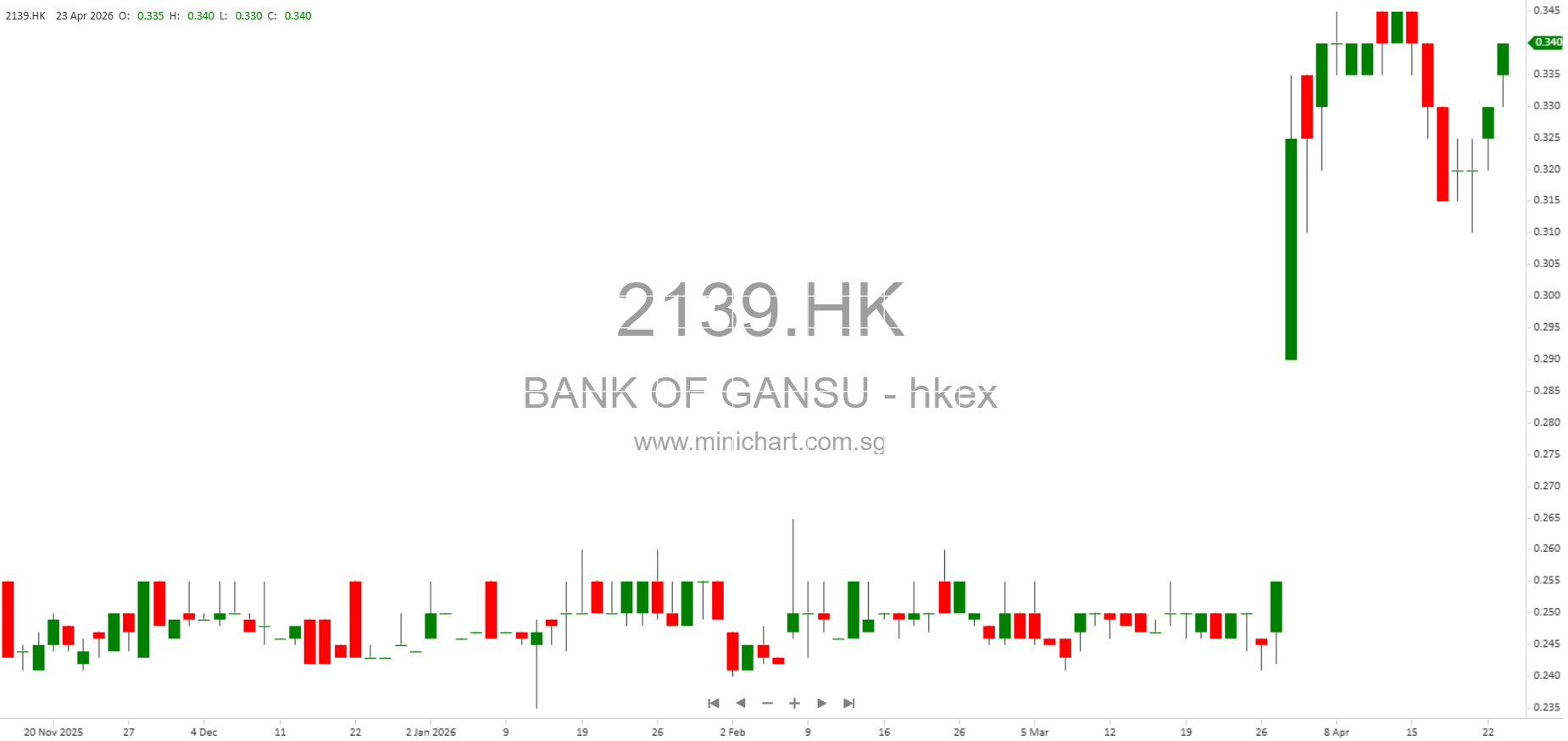
- Stable Dividend Proposal: The recommended cash dividend of RMB 1.18 per 10 shares may positively influence share price if approved, reflecting strong capital adequacy and stable earnings.
- Strong Liquidity and Capital Ratios: The Bank’s liquidity coverage and leverage ratios are well above regulatory requirements, supporting investor confidence.
- Authorization to Issue Financial Bonds: The existing board authorization to issue up to RMB 10 billion in financial bonds, if exercised, could affect funding costs, capital structure, and valuation.
- No Controlling Shareholder: The diversified shareholding structure may appeal to investors seeking transparency and lower governance risk.
- Amendments to Corporate Governance: Adoption of new governance standards and electronic voting could improve investor engagement and corporate oversight.
- No significant asset sales, acquisitions, or equity-linked agreements during the period, suggesting operational stability.
- Stable Asset Quality: Maintaining an NPL ratio of 1.93% in a challenging market environment could be viewed positively by the market.
Disclaimer
This article is intended for informational purposes only and does not constitute investment advice. Investors should conduct their own research or consult with professional advisors before making any investment decisions. The information herein is based on the Bank of Gansu’s 2025 Annual Report and is subject to change. Neither the author nor the publisher accepts any liability for losses incurred as a result of reliance on the information provided.