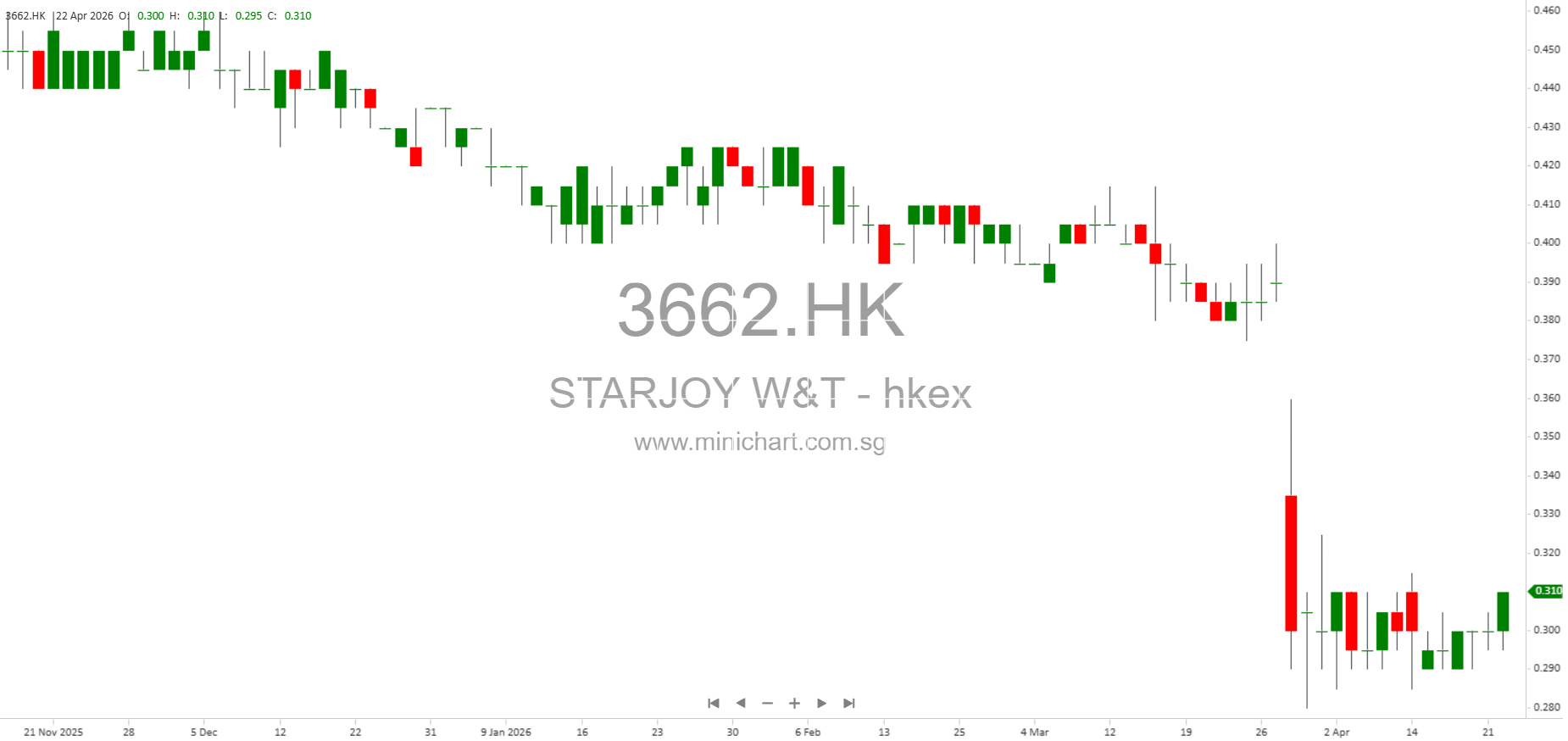
Starjoy Wellness and Travel Company Limited Releases 2025 ESG Report: Key Highlights and Investor Insights
Starjoy Wellness and Travel Company Limited has published its Environmental, Social and Governance (ESG) Report for the financial year ended December 31, 2025. The report provides a comprehensive overview of the company’s sustainability initiatives, risk management, and operational performance across environmental, social, and governance aspects.
Key Points for Investors
- Material Issues Identified: The company’s materiality assessment highlighted 16 key ESG issues, with anti-corruption
- Climate Risk and Scenario Analysis: Starjoy conducted climate scenario analysis based on TCFD and IFRS S2 standards, with both low-emissions and high-emissions scenarios considered. Strategic adjustments are being made to accelerate energy efficiency upgrades, integrate low-carbon property services, and establish emergency budget pools for extreme weather events. This proactive approach positions the company favorably for policy changes and consumer shifts toward green properties.
- GHG Emissions Reduction Targets: Starjoy aims to reduce Scope 1 and Scope 2 emissions by 5% over the next two years from the 2025 baseline, transition to electric vehicles, install solar panels, and optimize energy efficiency. This target, if achieved, can lower compliance costs and improve investor sentiment.
- Energy and Resource Consumption: Significant reduction in overall energy consumption from 106,942.39 MWh in 2024 to 75,594.45 MWh in 2025, alongside a substantial decrease in GHG emissions (from 57,276 tCO2e to 39,960 tCO2e). These improvements demonstrate effective operational controls and could enhance Starjoy’s ESG ratings.
- Waste Management: The company generated less waste in 2025 (46 tonnes) compared to 2024 (62 tonnes), with improved recycling and digitalization efforts. Hazardous waste is strictly managed and government-collected, reducing environmental liabilities.
- Employee Turnover and Training: Turnover rate decreased to 34% in 2025 from 47% in 2024, indicating improved employee retention. Average training hours per employee more than doubled to 98.2 hours, signaling significant investment in talent development and operational resilience.
- Health and Safety: Work-related fatality rate was 0% in 2025 and 2024, with only one incident in 2023. Workplace injuries were managed proactively, and compliance with major safety laws was maintained.
- Supply Chain Management: Starjoy has 491 suppliers in PRC, down from 580 in 2024, with strict environmental and social compliance requirements. Green procurement is prioritized, which may affect cost structure and supplier reliability.
- Product Responsibility: The company received 400 complaints (covering 2,108 customer requests) in 2025, all resolved through internal procedures. No product recalls or major compliance failures were reported, supporting operational credibility.
- Anti-Corruption Incident: One legal case involving a former employee misappropriating RMB 150,000 was concluded in 2025, with partial compensation received and strengthened internal controls implemented. Anti-corruption training totaled 2,960 hours, reflecting robust governance.
- Community Investment: Starjoy held 1,458 community activities in 2025, with over 187,500 participants, enhancing stakeholder relations and local brand reputation.
Potential Price-Sensitive Issues
- Anti-Corruption Focus: The identification of “anti-corruption” as the primary material issue, combined with a concluded legal case and strengthened controls, demonstrates enhanced risk management but may indicate prior vulnerabilities. Investors should monitor for further incidents or regulatory actions.
- Climate Risk Management: Scenario analysis and strategic adjustments for climate change signal readiness for regulatory tightening and consumer shifts. Successful adaptation could positively impact share value, while failure to invest in low-carbon businesses could risk customer attrition, especially under high-emissions scenarios.
- Operational Improvements: Significant reductions in energy consumption, GHG emissions, and waste management point to improved efficiency, which may favorably impact profitability and ESG ratings.
- Employee Engagement: Lower turnover and higher training hours suggest operational stability and capacity for growth, potentially increasing investor confidence.
- Supplier Reduction: The decrease in supplier count could indicate supply chain optimization or risk, depending on reliability and cost impacts. This may affect operational performance if not managed properly.
- Customer Complaints: While all complaints were resolved, the volume may warrant attention regarding service quality and brand reputation.
Detailed ESG Governance Structure
The Board of Starjoy oversees all ESG matters, formulating strategies and reviewing targets. Department management implements policies and evaluates effectiveness, while the ESG Working Group collects and analyzes data, supports reporting, and monitors performance. Biannual ESG management meetings build competencies through HKEX ESG Academy engagement.
Climate Change Response
Starjoy’s scenario analysis (Low-emissions: limiting warming to 1.5–2°C; High-emissions: >4°C) identified physical risks (typhoons, sea level rise), transition risks (policy/legal, market), and opportunities (low-carbon services, supply chain resilience, new markets). Strategic adjustments are underway, including accelerated renovations, emergency fund pools, and green product integration. Uncertainties remain around policy pace, supply chain coordination, and market demand.
Social Responsibility and Employee Welfare
Starjoy emphasizes fair recruitment, transparent promotion, and comprehensive benefits (“five social insurance and one housing fund” in PRC; Mandatory Provident Fund in Hong Kong). The company advocates equal opportunity (1.31:1 male-to-female ratio) and prohibits discrimination and harassment. Internal communication channels ensure employee feedback and privacy.
Community Engagement and Corporate Citizenship
Starjoy invests in community activities focused on elderly care, youth development, and public health. Over 1,458 activities and 187,500 participants in 2025 underscore the company’s commitment to social responsibility and stakeholder engagement.
Conclusion
Starjoy’s 2025 ESG Report signals significant progress in sustainability, risk management, and operational efficiency. The company’s proactive approach to climate change, anti-corruption, and employee welfare, combined with improvements in environmental metrics, may enhance investor confidence and share value. However, attention should be paid to ongoing anti-corruption risks, climate adaptation, supply chain reliability, and service quality.
Disclaimer: This article is for informational purposes only and does not constitute investment advice. Investors should conduct their own due diligence and consult with professional advisors before making any investment decisions. The information is derived from publicly available company disclosures and may be subject to change or interpretation.