Key Points from the Q2 2026 Report
- Amerant Bancorp maintains diversified loan and investment portfolios, with significant exposure to commercial real estate and residential mortgage-backed securities.
- Credit quality shows a mix of performing and criticized assets, reflecting ongoing monitoring of loan portfolios across real estate and commercial lending segments.
- Balance sheet composition includes a variety of investment securities including U.S. Treasury securities, U.S. Government Agency obligations, municipal bonds, and foreign corporate debt securities.
- Notable derivative exposures include interest rate swap contracts, used both as designated hedges and for asset-liability management.
- Share repurchase activity is indicated, with a 2026 repurchase program referenced in the disclosures.
Important and Potentially Price-Sensitive Developments
1. Asset Quality and Credit Risk
Amerant’s portfolio includes a meaningful allocation to commercial real estate, with granular reporting on internal credit assessments. Criticized assets (Special Mention, Substandard, Doubtful, and Unlikely to be Collected) are present across commercial real estate and commercial loan portfolios. This highlights ongoing credit risk that investors should monitor closely, especially given the current macroeconomic environment and potential market sensitivity to asset quality trends.
- Segments with higher risk include non-owner occupied commercial real estate, construction loans, and multi-family residential commercial real estate loans. The presence of criticized and substandard loans in these categories could impact future loan loss provisions and earnings.
- Consumer portfolio segment also contains a mix of pass, special mention, substandard, doubtful, and unlikely to be collected assets, indicating some credit stress among retail borrowers.
2. Investment Securities Portfolio
The bank holds substantial investments in U.S. Treasury securities, U.S. Government Agency and Sponsored Enterprise obligations, municipal bonds, mortgage-backed securities, and foreign corporate debt. These are marked at fair value, with a mix of Level 1, Level 2, and Level 3 fair value classifications. Shifts in interest rates, credit spreads, or market liquidity could impact the valuation of these holdings and, consequently, the bank’s equity and earnings.
- Net unrealized losses and gains are tracked in equity, with changes directly impacting book value and potentially share price.
3. Share Repurchase Program
The disclosure of a 2026 share repurchase program is significant for shareholders. Repurchases can provide support to the share price and signal confidence from management in the company’s valuation and future prospects. Investors should watch for specific figures and timing related to buybacks, as this could become a catalyst for the stock.
4. Derivative and Hedging Activities
Amerant utilizes interest rate swaps, both designated as hedges and on a non-designated basis. This reflects proactive balance sheet and interest rate risk management. However, these instruments also introduce complexity and potential mark-to-market volatility, which could impact quarterly results.
5. Geographical Portfolio Exposure
The loan book is geographically diversified, with exposure to Central Florida, New York, Houston, and other regions. Regional economic shifts, such as changes in real estate demand or local business conditions, could impact Amerant’s credit performance and growth outlook.
What Investors and Shareholders Should Watch
- Trends in criticized and non-performing loans, especially in commercial and commercial real estate segments, as these could drive future provisions, capital ratios, and earnings volatility.
- Fair value adjustments to investment securities, sensitive to interest rate movements and credit market conditions, which could influence book value and reported capital.
- Execution and scale of the share repurchase program, which may provide price support or signal confidence from management.
- Derivative positions and hedging strategy impact on net interest income and risk profile—important in a rising or volatile rate environment.
Conclusion
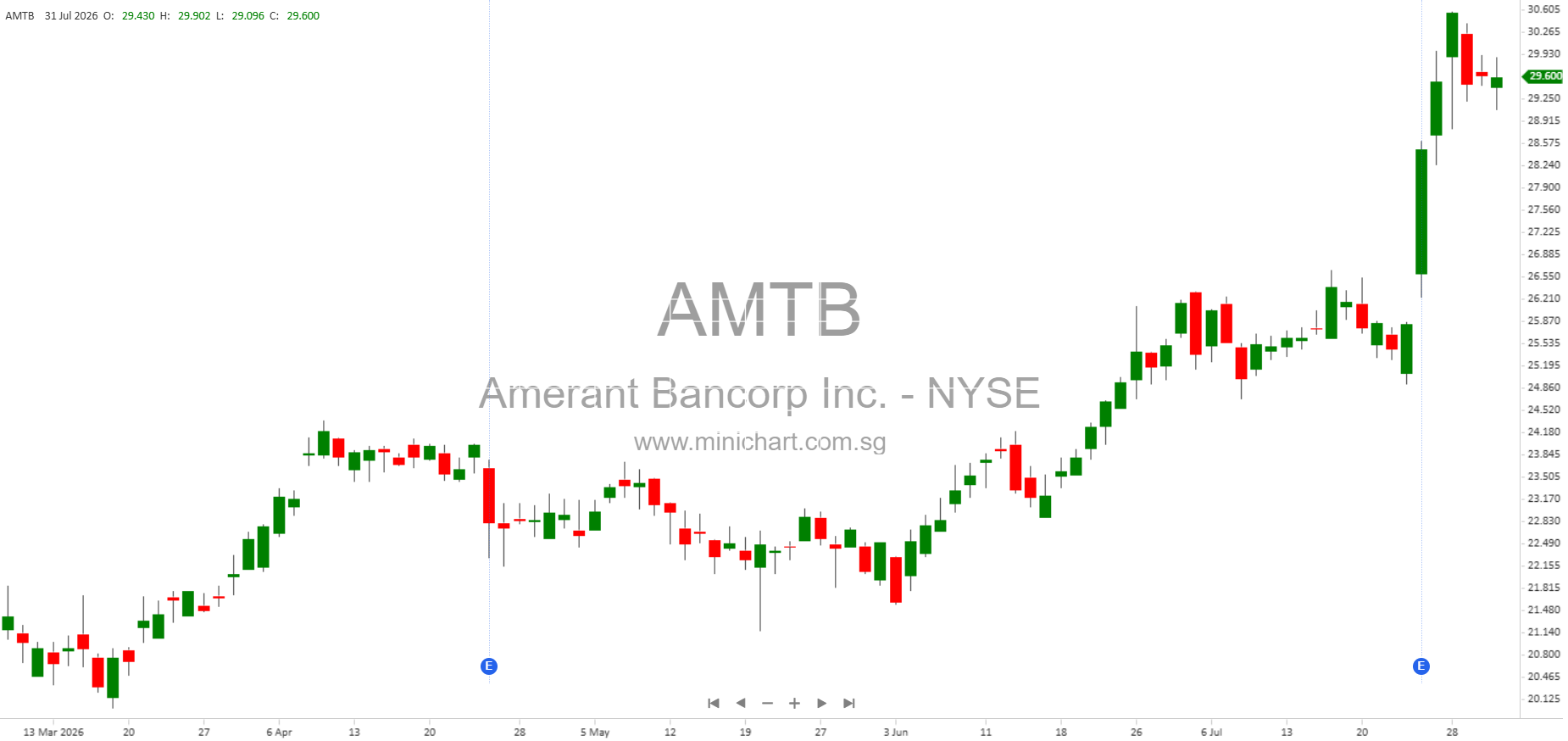
Amerant Bancorp’s Q2 2026 regulatory filing reveals a complex, actively managed balance sheet with areas of both opportunity and risk. The presence of criticized assets—particularly in commercial real estate—should be closely monitored, as should the market value of securities and the impact of share repurchase activity. Investors should remain vigilant regarding credit performance and capital management, as both are key drivers of future share price performance.
Disclaimer: This article is for informational purposes only and does not constitute investment advice. Investors should consult their financial advisor and review the full SEC filing for a complete understanding of Amerant Bancorp Inc.’s financial position and risk factors.