KKR & Co. Inc. Files 8-K Disclosing Entry into Material Definitive Agreement and New Debt Covenant Requirements
New York, July 31, 2026 – KKR & Co. Inc. (“KKR”) has filed a Form 8-K with the U.S. Securities and Exchange Commission, announcing the entry into a material definitive agreement that establishes a new direct financial obligation for the company. This development introduces several important covenants and requirements that shareholders and investors need to be aware of, as they may have significant implications for KKR’s future financial performance and strategy.
Key Highlights from the 8-K Filing
- Material Definitive Agreement: KKR has entered into a new agreement that creates a direct financial obligation and off-balance sheet arrangement. The nature and terms of this obligation were not specified in detail in the initial filing, but the filing incorporates by reference all information disclosed under Item 2.03, which typically relates to the creation of a material debt or similar obligation.
- Key Financial Covenants:
- Leverage Ratio Requirement: KKR and its subsidiaries are required to maintain a maximum leverage ratio (excluding the indebtedness of The Global Atlantic Financial Group LLC and its subsidiaries) of not greater than 4.0x covenant EBITDA. This restricts how much debt KKR can take on relative to its earnings and may impact future borrowing, capital allocation, and growth strategies.
- Minimum Fee-Paying AUM: KKR must maintain at least \$195 billion in fee-paying assets under management (AUM). Falling below this threshold could trigger covenant breaches, leading to potential adverse actions from lenders.
- Affirmative and Negative Covenants: The agreement includes customary affirmative covenants and certain negative covenants, notably restrictions on the ability of KKR and its subsidiaries to pledge the stock of their subsidiaries. This could limit KKR’s flexibility in structuring future financings or asset sales.
- Events of Default: The agreement contains standard default provisions. If triggered, lenders would have the ability to accelerate all outstanding loans and terminate the commitments, potentially impacting liquidity or operational stability.
- Securities Registered: The company’s securities listed on the New York Stock Exchange (NYSE) include:
- Common Stock (KKR)
- 6.25% Series D Mandatory Convertible Preferred Stock (KKR PR D)
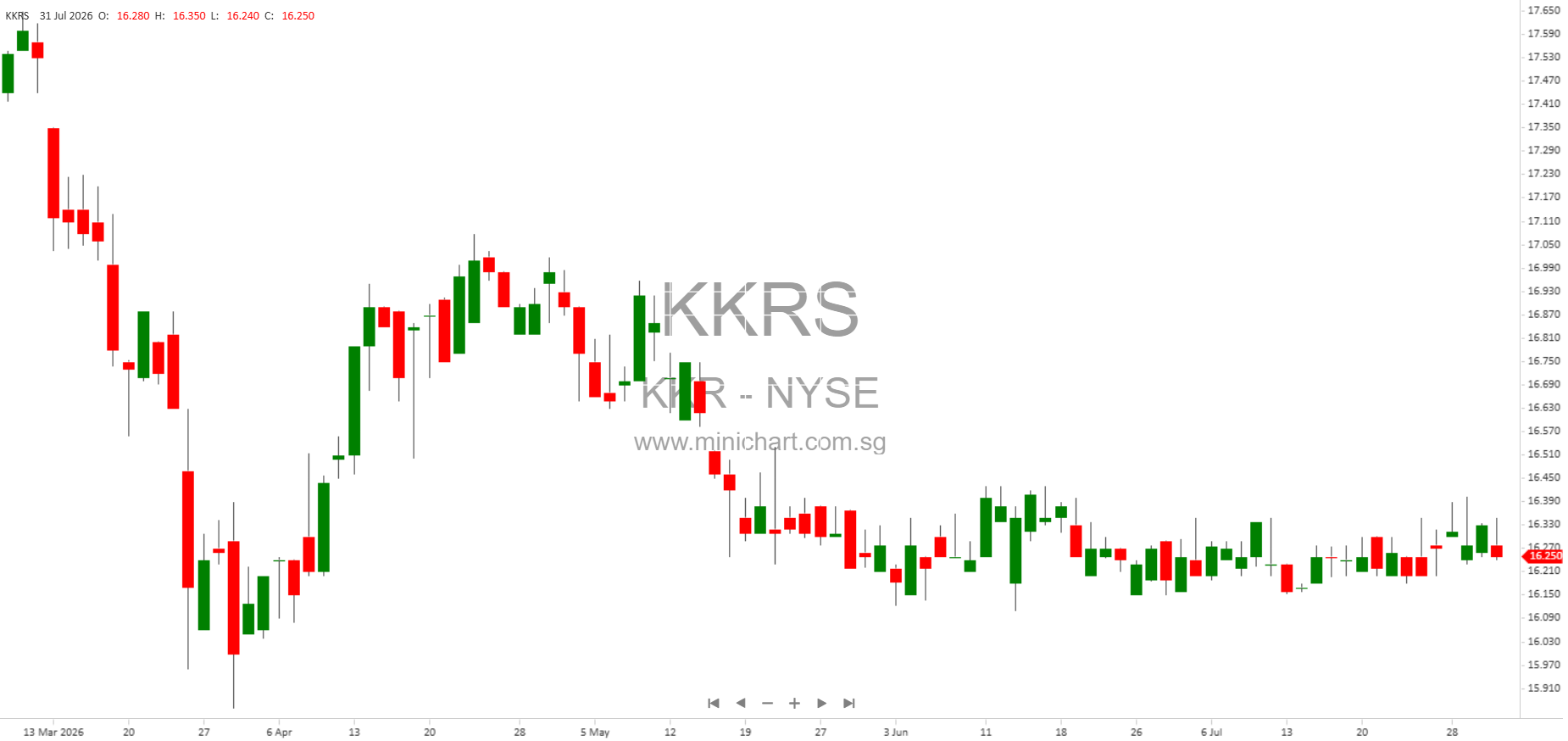
- 4.625% Subordinated Notes due 2061 of KKR Group Finance Co. IX LLC (KKRS)
- 6.875% Subordinated Notes due 2065 (KKRT)
- Emerging Growth Company Status: KKR is not considered an emerging growth company under current SEC definitions.
Implications for Shareholders and Investors
- Potential Share Price Sensitivity: The new leverage covenant and minimum AUM requirement are critical metrics for investors. Any indication that KKR is nearing or breaching these thresholds could signal financial stress or operational challenges, which may be interpreted negatively by the market and impact the share price.
- Capital Structure and Financial Flexibility: Restrictions on pledging subsidiary stock and the maximum leverage ratio could limit KKR’s ability to take on additional debt or engage in certain transactions, affecting future growth strategies or capital returns.
- Fee-Paying AUM as a Key Metric: Because fee-paying AUM directly ties to recurring management fees and overall profitability, investors should closely monitor KKR’s reported AUM figures in future filings and earnings releases.
- Event of Default Provisions: While standard, these provisions underscore the importance of KKR’s ongoing compliance with all debt covenants. Any event of default could lead to immediate repayment obligations, increased borrowing costs, or forced asset sales.
Conclusion
The entry into a new material definitive agreement with significant leverage and AUM covenants represents a noteworthy development for KKR & Co. Inc. These covenants will play a major role in shaping the company’s financial policies, risk profile, and potentially, its market valuation going forward. Shareholders and prospective investors should monitor subsequent disclosures and earnings reports for any signals regarding compliance with these requirements or changes to KKR’s capital structure and AUM.
Disclaimer: This article is for informational purposes only and does not constitute investment advice. Investors should conduct their own due diligence and consult with financial advisors before making any investment decisions. The information herein is based on KKR & Co. Inc.’s public SEC filing as of July 31, 2026, and may be subject to change as more details are disclosed.