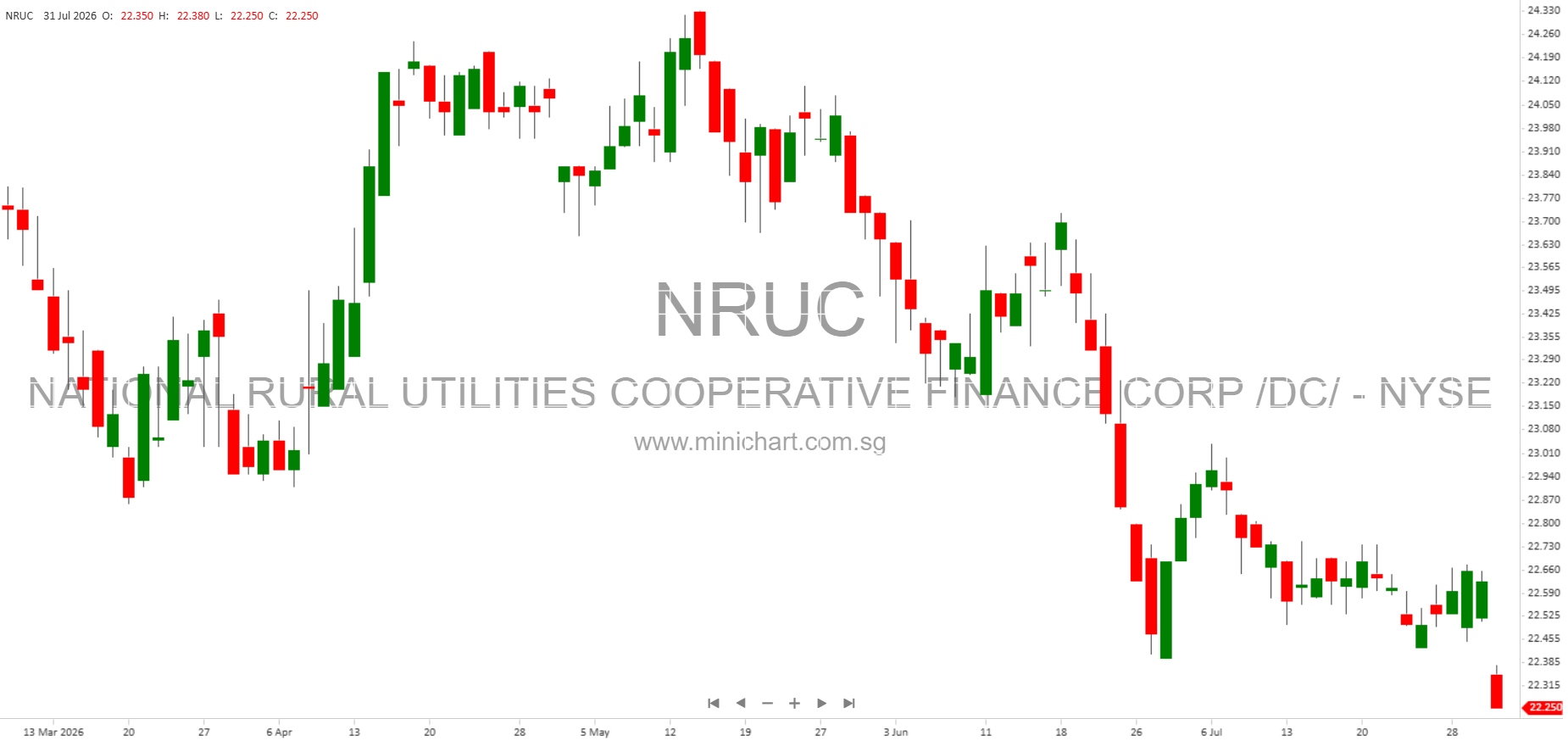
NRUCFC FY2026 Financial Results: Key Insights for Investors
Overview
National Rural Utilities Cooperative Finance Corporation (NRUCFC) has filed its Form 10-K for the fiscal year ended May 31, 2026. The cooperative, headquartered in Dulles, VA, serves as a critical financial institution supporting rural electric and utility systems across the United States. As a registered SEC filer with a broad constituency of cooperative members, the annual report is a key document for investors, bondholders, and stakeholders.
Key Highlights
- Stable Ownership and Structure: NRUCFC continues to operate as a member-owned cooperative with no public float. Ownership is concentrated among member cooperatives, and there are no traditional common shares outstanding.
- Robust Loan Portfolio: The cooperative maintains a diversified portfolio of loans across distribution systems, power supply systems, statewide and associate members, and electric and telecommunications utilities. Notably, significant portions of the loan book are guaranteed by Farmer Mac or are covered under purchase agreements, mitigating credit risk.
- Credit Quality and Allowances: As of May 31, 2026, the report details exposures by internal credit ratings. The majority of assets are classified within the “Pass” rating, but there are segments labeled as “Special Mention,” “Substandard,” “Doubtful,” and “Criticized,” reflecting some pockets of risk on the balance sheet. The cooperative also maintains asset-specific allowances for potential losses.
- Diverse Funding Sources: NRUCFC funds its operations through a mix of commercial paper, select notes, daily liquidity fund notes, secured notes, collateral trust bonds, and member capital securities. The 2026 report confirms ongoing access to the Federal Financing Bank and Farmer Mac for secured borrowing.
- Derivative and Hedging Activities: The cooperative actively uses interest rate swaps, treasury locks, and other derivatives for hedging purposes, with the effects of these transactions reflected in accumulated other comprehensive income and cash flow hedges.
- Segment Information: The consolidated financials include the results of National Cooperative Services Corporation and Rural Telephone Finance Cooperative. Intersegment eliminations and material reconciling items are identified, ensuring transparency in segment reporting.
- Capital Reserve and Patronage Allocations: The report provides details on appropriated earnings, including capital reserve, membership fees, education fund, and patronage capital allocations. Notably, allocations held for up to 25 years are tracked, and subsequent events relate to these reserves and their potential distribution or retention.
Shareholder Considerations and Potential Price-Sensitive Information
- Credit Quality Deterioration: There are identified exposures within the “Doubtful” and “Special Mention” categories, which could signal rising risk levels in the loan portfolio. While these are currently a small portion of total assets, any further deterioration or material loan losses could impact the cooperative’s capital and ability to return patronage capital or pay dividends to members.
- Loan Commitments and Guarantees: NRUCFC continues to issue significant commitments to extend credit, some of which are not subject to material adverse change clauses. This exposes the cooperative to future funding requirements and potential liquidity risk, especially if economic conditions worsen or if counterparties face financial difficulties.
- Changes in Funding Mix: The cooperative’s reliance on short- and long-term debt instruments—including commercial paper and member notes—means changes in market rates, access to the Federal Financing Bank, or Farmer Mac programs could materially impact funding costs and margins.
- Derivative Exposure: Active use of derivatives, including interest rate swaps, introduces both market and counterparty risk. While these are currently managed within established risk limits, any sharp movements in rates or counterparty defaults could impact earnings and capital.
- Subsequent Events and Allocations: The cooperative has disclosed subsequent events relating to the allocation and potential distribution of patronage capital and education fund reserves. Any significant changes in allocation policy or distributions could affect member returns and the cooperative’s capital base.
What Investors Should Watch
While NRUCFC is not a publicly traded company in the traditional sense, its capital securities, member notes, and other funding instruments are widely held by institutional and cooperative investors. The following could be price-sensitive:
- Any material worsening in loan credit quality, especially among the largest borrowers or those in the “Doubtful” category.
- Changes in access, terms, or pricing for key funding sources, including the Federal Financing Bank or Farmer Mac.
- Adjustments to the allocation or distribution of patronage capital, which may impact member returns and market perception of cooperative stability.
- Large derivative losses or unexpected changes in hedge effectiveness affecting comprehensive income.
- Significant subsequent events post-balance sheet date, especially those affecting capital reserves or member returns.
Conclusion
NRUCFC’s FY2026 10-K demonstrates a stable and diversified cooperative with strong risk management practices, but also highlights areas of credit and funding risk that warrant close monitoring by investors and member-bondholders. Future capital returns, funding costs, and credit exposures remain the key variables for cooperative financial health and investor returns.
Disclaimer: This article is for informational purposes only. It does not constitute investment advice or a recommendation regarding any security or financial product. Investors should review the full 10-K and consult with their financial advisors before making any investment decisions.