Hong Kong Food Investment Holdings Limited (HKFIHL) Releases 2026 Annual Report: Key Details for Investors
Financial Highlights and Performance
- Revenue Drop: The Group’s consolidated revenue for the year ended 31 March 2026 fell to approximately HK\$158.33 million, down 15.2% from HK\$186.79 million in the previous year.
- Loss Remains High: The loss attributable to equity holders was HK\$18.43 million, only a slight improvement from last year’s HK\$18.82 million. Loss per share was HK7.20 cents (2025: HK7.27 cents).
- No Dividend: The Board does not recommend any dividend for the year, continuing a non-dividend trend that may disappoint income-focused investors.
- Gross Profit Margin Fell Sharply: Gross profit margin dropped to 9.6% from 15.0% last year, pressuring profitability.
- Cost Control: Operating expenses to sales improved from 20.3% to 17.3%, and inventory turnover days improved from 92 to 84, reflecting tighter operational management.
Business Review and Strategic Responses
- Persistent Market Challenges: The Group faced severe pressure from global market instability, geopolitical developments (notably in the Middle East), supply chain disruption, and rising raw material and energy costs.
-
Frozen Meats Trading:
- Significant margin compression due to severe price competition in Hong Kong’s local market.
- The Group shifted procurement to high-potential channels and focused on premium, branded products, noting resilient demand for high-end items.
-
Catering Segment:
- The Group proactively divested underperforming restaurant outlets to cut losses and overheads, improving operational efficiency.
- Segment loss narrowed drastically by 65.4% to HK\$1.94 million from HK\$5.60 million.
- Stringent cost control and workflow optimisation contributed to profitability improvement.
-
Other Businesses (Communication & Advertising):
- Revenue dropped 41.4% to HK\$2.39 million, impacted by macroeconomic contraction and cost control among core clients.
- Despite the drop, profitability remained stable and the company maintained strong market visibility for its brands (“Satsuma”, “L’Grow”, “Beefar’s”, and “Gyumai”).
Strategic Partnerships and Future Outlook
- FSMHL Partnership: The Group’s strategic partner, Four Seas Mercantile Holdings Limited (FSMHL), remains confident and will continue its “Rooted in Hong Kong, Expanding to the Chinese Mainland, and Reaching Out to the World” strategy.
- Innovation and Product Development: Focus on cost control, product portfolio diversification, and accelerated rollout of new products to drive sustainable growth.
- Tourism and Cross-border Opportunities: The Group is strategically positioned to benefit from expected inbound tourism recovery and cross-border consumption trends, particularly via targeted marketing on Mainland Chinese social media platforms and seasonal menu promotions.
Balance Sheet and Shareholder Structure
- Gearing Ratio: The Group’s gearing ratio improved to 3% (2025: 5%), with interest-bearing bank borrowings of HK\$14.44 million and equity of HK\$508.54 million.
- Share Buybacks: The Company repurchased and cancelled 1,770,000 shares during the year, reflecting capital management efforts.
-
Major Shareholders:
- Tai Tak Fung, Stephen, and spouse Wu Mei Yung, Quinly, control a combined 35.49% of the issued shares.
- SAL and CGL (corporate entities) hold 20.69% and 12.09%, respectively.
- Public float remains compliant, with at least 25% held by the public.
Key Risks and Potential Price-Sensitive Issues
- Profitability Under Pressure: Sharp decline in gross margin and continued operating losses may raise concerns about the Group’s profitability and long-term sustainability.
- No Dividend Policy: The decision to not recommend a dividend for another year could negatively impact share price, particularly for yield-driven investors.
- Market and Geopolitical Risks: The Group’s exposure to global market instability, geopolitical events (especially in the Middle East), and rising costs may continue to impact financial performance.
- Reliance on Major Customers and Suppliers: The top five customers account for 34% of sales, and the top five suppliers 71% of purchases, with the largest supplier representing 40% of purchases. Any disruption or loss of these relationships could be material.
- Potential Impairment Risks: Key audit matters include impairment assessment of investments in associates, especially FSMHL, which could result in future write-downs if market conditions deteriorate.
- Regulatory and ESG Developments: The company continues to adopt new HKFRS standards and follows evolving ESG requirements, which may affect future financial reporting and compliance costs.
Corporate Governance and Compliance
- HKFIHL maintains a focus on strong corporate governance, transparency, and accountability, with regular reviews of its governance practices and compliance with the Hong Kong Stock Exchange Listing Rules.
- Audit Committee and internal controls are in place, and no material deficiencies were highlighted by the external auditor (Ernst & Young).
- Anti-corruption and whistle-blowing policies are established for all stakeholders.
Conclusion
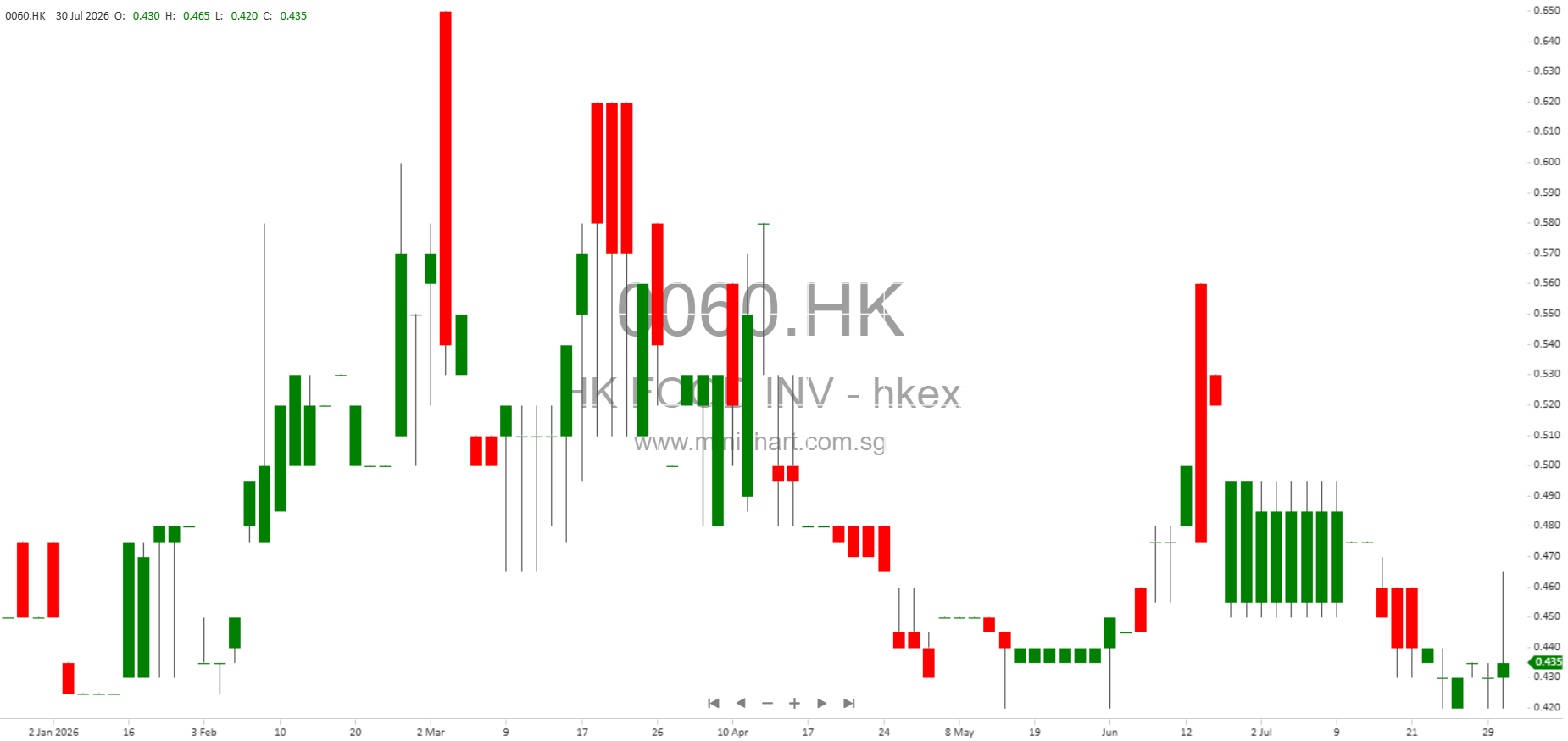
Investment Implications: The report indicates ongoing financial and operational challenges for Hong Kong Food Investment Holdings Limited, with lower revenues, continued losses, and no dividend. While management is taking steps to control costs and reposition the business, the persistent headwinds and lack of immediate turnaround prospects may weigh on share price performance. Investors should closely monitor the effectiveness of strategic initiatives, any further deterioration in gross margins, major customer/supplier changes, and potential impairments in associates.
Disclaimer: This article is for informational purposes only and does not constitute investment advice or a recommendation to buy or sell any securities. Investors should conduct their own research or consult with a professional financial advisor before making investment decisions.
香港食品投資控股有限公司2026年年報發佈:投資者必須知道的重點
財務重點及表現
- 收入下降: 截至2026年3月31日止年度,集團綜合收益約為1.5833億港元,較去年的1.8679億港元下跌15.2%。
- 虧損持續: 權益持有人應佔虧損為1,843萬港元,僅較去年1,882萬港元略有改善。每股虧損為7.2仙(2025年:7.27仙)。
- 不派息: 董事會不建議派發年度股息,延續不派息趨勢,或會令著重收入的股東失望。
- 毛利率大幅下跌: 毛利率由上年度的15.0%跌至9.6%,盈利能力受壓。
- 成本控制: 經營費用與銷售比率由20.3%改善至17.3%,存貨周轉天數由92天下降至84天,反映營運管理加強。
業務回顧與策略應對
- 市場挑戰持續: 集團面對全球市場不穩、地緣政治(特別是中東局勢)、供應鏈干擾及原材料和能源成本上升的重大壓力。
-
凍肉貿易:
- 本地市場激烈削價競爭,導致傳統核心產品利潤率大跌。
- 集團轉向高潛力採購渠道,並著重於高端品牌產品,高檔產品需求具韌性。
-
餐飲業務:
- 主動剝離表現不佳餐廳以減少虧損及架構開支,營運效率大幅提升。
- 分部虧損大幅收窄65.4%,至193.7萬港元(去年為560.1萬港元)。
- 嚴格成本控制及流程優化提高盈利能力。
-
其他業務(傳訊及廣告):
- 受宏觀經濟下行及核心客戶控成本影響,收入下跌41.4%至239萬港元。
- 儘管收入下跌,盈利能力維持穩定,集團品牌市場能見度依然強勁。
策略夥伴及前景展望
- 四洲集團合作: 戰略夥伴四洲集團(FSMHL)續推「根植香港、拓展內地、面向世界」發展戰略,有信心未來發展。
- 創新及產品開發: 集團專注成本控制、產品多元化及加快新產品推出,推動可持續增長。
- 旅遊及跨境消費: 集團策略性把握旅遊復甦及跨境消費趨勢,積極利用內地社交平台及推出季節性菜單促銷。
資產負債表及股東結構
- 負債比率: 負債資本比率降至3%(2025年為5%),銀行貸款1,444萬港元,權益5.0854億港元。
- 股份回購: 期內公司回購並註銷1,770,000股股份,體現資本管理。
-
主要股東:
- 戴德豐及太太胡美容合共持有35.49%股權。
- SAL及CGL分別持有20.69%及12.09%。
- 公眾持股量合規,至少有25%。
主要風險及可能影響股價事項
- 盈利壓力: 毛利率大幅下跌及持續經營虧損,或引發市場對集團盈利前景及持續經營能力的憂慮。
- 不派息: 連續不派息或會對股價構成壓力,特別是依賴股息的投資者。
- 市場及地緣風險: 集團持續受全球市場及地緣政治動盪(尤其中東)影響,未來業績仍具不確定性。
- 客戶及供應商集中: 最大五名客戶佔全年收入34%,最大五名供應商佔全年採購71%,最大供應商佔40%。如關係有變,對業績或有重大影響。
- 聯營公司減值風險: 關鍵審計事項包括對四洲集團等聯營公司投資進行減值評估,如市況惡化或需減值。
- 監管及ESG發展: 公司正採納新會計準則及緊貼ESG要求,或影響未來財報及合規成本。
企業管治及合規
- 集團重視企業管治、透明度及問責,並定期檢討管治常規,全面遵守上市規則。
- 設有審核委員會及內部監控制度,外部核數師安永無重大保留。
- 設有反貪污及舉報政策。
總結
投資啟示: 年報反映香港食品投資控股有限公司面臨持續財務及經營挑戰,收入減少、持續虧損及不派息。管理層正積極推動成本控制及業務重整,但短期內缺乏明顯反彈動力,或對股價表現造成壓力。投資者宜密切留意策略成效、毛利率變化、主要客戶/供應商關係變動及聯營公司減值風險。
免責聲明:本文僅供資訊參考,並不構成任何投資建議或買賣證券之建議。投資者應自行研究或諮詢專業財務顧問後,方作投資決定。