Harvard Ave Acquisition Corp Reports Q2 2026 Results: What Investors Need to Know
Key Points from the Report
- Quarter Ending: June 30, 2026
- Company Type: Harvard Ave Acquisition Corp is a blank check company incorporated in the Cayman Islands, formed for the purpose of effecting a business combination (merger, share exchange, asset acquisition, etc.) with one or more businesses. The company is not limited to any particular industry or geography.
- Exchange Listing: Class A ordinary shares (HAVAU) and Rights (HAVAR) are traded on Nasdaq Stock Market LLC.
- Shares Outstanding: As of the report date, there are 15,859,856 Class A ordinary shares and 4,833,333 Class B ordinary shares outstanding. Class A shares are subject to possible redemption.
- SPAC Structure: The company must complete a business combination within 18 months of its IPO, or up to 24 months if extended. If not completed, 100% of public shares will be redeemed.
- Financial Position:
- Total assets as of June 30, 2026: \$149,459,835
- Ordinary shares subject to possible redemption: 14,500,000 at a redemption value of \$148,612,304
- Total shareholders’ deficit: (\$4,124,366)
- Class B ordinary shares: 4,833,333 outstanding
- Accumulated deficit: (\$4,124,985)
- Net Income (Loss):
- For the three months ended June 30, 2026: Net loss of (\$64,170)
- For the six months ended June 30, 2026: Net income of \$1,064,438
- Earnings Per Share:
- Redeemable Class A Ordinary Shares: Basic and diluted net income per share was \$0.01 for the three months ended June 30, 2026.
- Non-redeemable Class A and Class B Shares: \$0.11 for the six months ended June 30, 2026.
- Cash Position: The company’s cash is held in financial institutions and may, at times, exceed FDIC coverage (\$250,000). Any loss of access to these funds could impact financial condition.
- Financing Activities: Payment of stock issuance costs for the period was \$118,325. Deferred offering costs included in accrued offering costs were \$2,049.
- SPAC Redemption Terms: Public shares are subject to redemption if a business combination is not completed. The redemption feature allows for the return of funds to shareholders under certain conditions.
- Emerging Growth Company Status: Harvard Ave Acquisition Corp is classified as an “emerging growth company.” This allows it to take advantage of reduced reporting and compliance obligations.
- Risks:
- The company is a “shell company” under SEC rules.
- Shareholders should be aware of the risk that if no business combination is completed within the allowed timeframe, funds will be returned, and shares redeemed.
- The company’s cash balances may be exposed to uninsured risk above FDIC limits.
Shareholder Information and Price-Sensitive Insights
- Potential Price Movers:
- The company’s ability to identify and complete a business combination is crucial. Failure to do so within 18 (or 24) months will result in the redemption of public shares, which could significantly affect share price and shareholder returns.
- The substantial shareholders’ deficit and net losses in the recent quarter may concern investors about the company’s financial health and ability to consummate a deal.
- Any announcement regarding a target company or business combination could potentially move the share price significantly. As of this report, no deal has been announced.
- All offering and redemption terms are strictly governed by the articles of association and SEC regulations, meaning investors should monitor for any amendments or extensions to the business combination timeline.
- Regulatory Compliance: The company has complied with all SEC reporting and Interactive Data File submissions required for the period.
- SPAC Market Risks: Blank check companies have inherent risk. Shareholders must be alert to the timeline for business combinations, as failure to meet deadlines results in automatic redemption and liquidation.
- Emerging Growth Company Benefits: Reduced regulatory burdens may allow for more flexibility and lower costs, but could also mean less transparency for shareholders.
Summary Table of Financials (June 30, 2026)
| Metric | Amount |
|---|---|
| Total Assets | \$149,459,835 |
| Class A Shares Subject to Redemption | 14,500,000 |
| Redemption Value | \$148,612,304 |
| Shareholders’ Deficit | (\$4,124,366) |
| Net Loss (Q2 2026) | (\$64,170) |
| Net Income (YTD, 2026) | \$1,064,438 |
| Class B Shares Outstanding | 4,833,333 |
| Accumulated Deficit | (\$4,124,985) |
| Cash Above FDIC Coverage | Yes, may be exposed |
What Investors Should Watch
- SPAC Timeline: Investors must closely monitor management’s progress towards a business combination. The deadline is critical.
- Redemption Feature: Public shareholders are protected by the redemption feature if no deal is completed—but this also limits upside if a deal is not found.
- Financial Health: The company operates at a deficit and incurred a loss in Q2, but showed YTD net income. The balance sheet is dominated by assets related to the IPO and redemption obligations.
- Price-Sensitive Announcements: Any news about a potential business combination, extension, or changes to shareholder redemption rights could move the share price.
- Risk of Liquidation: If no deal is found, shareholders will get their money back, but may lose upside potential.
Conclusion
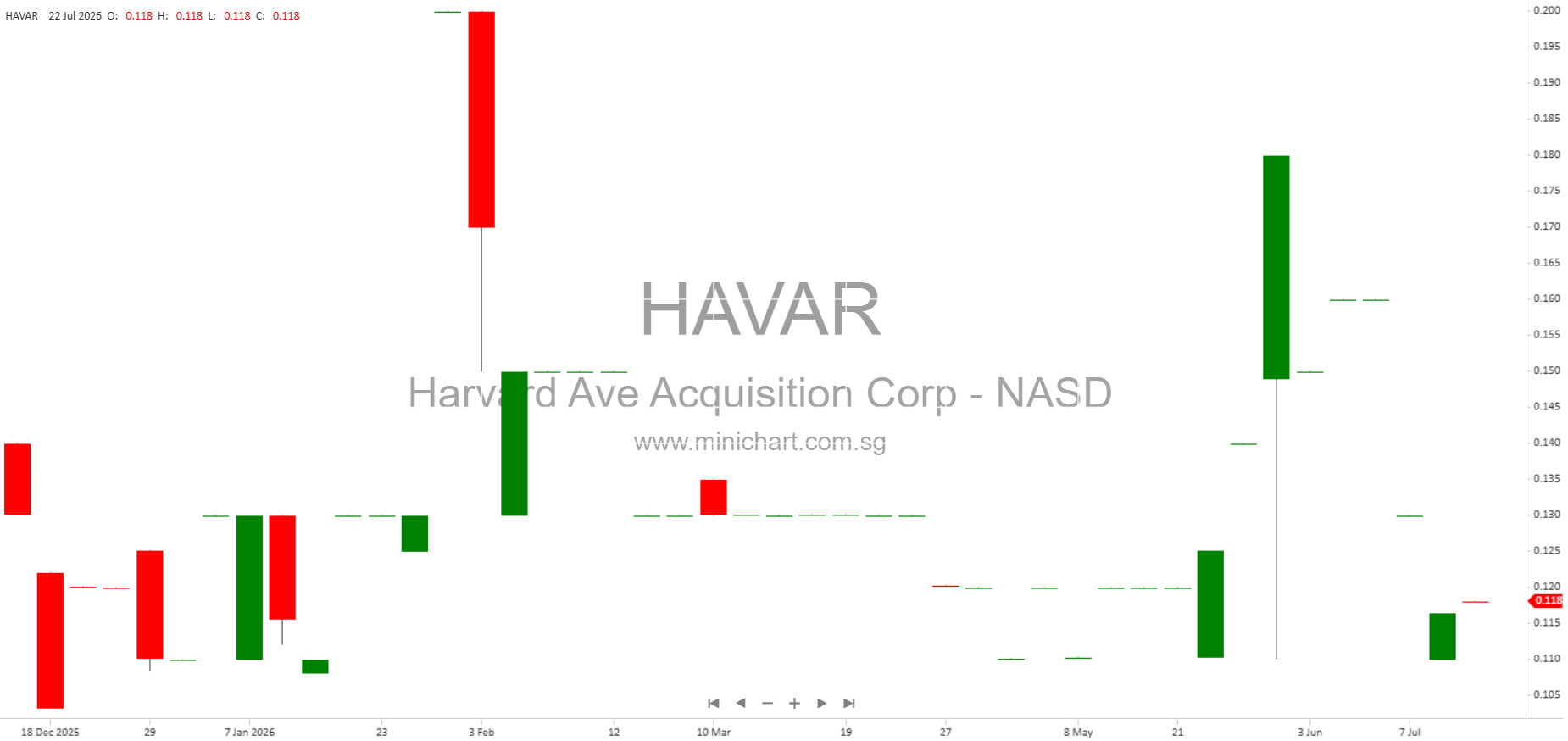
Harvard Ave Acquisition Corp’s Q2 2026 report highlights the typical risks and opportunities of a blank check/SPAC vehicle. Investors should be vigilant regarding the business combination deadline, the redemption terms for public shares, and the company’s financial performance. The absence of a merger announcement means the shares are likely to remain range-bound until a deal is announced or the deadline nears. Any developments regarding a business combination would be highly price-sensitive and could significantly impact the share value.
Disclaimer: This article is based on publicly available financial filings and is intended for informational purposes only. It does not constitute financial advice or a recommendation to buy or sell any securities. Investors should conduct their own due diligence and consult with a qualified financial advisor before making any investment decisions.