Southern California Edison Issues \$1.95 Billion in Wildfire Recovery Bonds: Key Legal Protections for Investors
Summary of Key Developments
- Southern California Edison Company (SCE) has facilitated the issuance and sale of \$1,953,948,000 in Senior Secured Recovery Bonds, Series 2026-A through SCE Recovery Funding LLC.
- The bonds are issued under California’s Wildfire Financing Law to finance the recovery of certain wildfire-related costs and risk mitigation capital expenditures that the California Public Utilities Commission (CPUC) has deemed just and reasonable for recovery.
- A key legal opinion from Norton Rose Fulbright US LLP provides strong assurances regarding the contract and property rights of bondholders, with significant implications for SCE shareholders and bond investors.
Details of the Transaction
- The bonds are secured by “recovery property,” which includes the right to fixed recovery charges (the “Charges”) approved by a CPUC financing order, and all associated revenues and collections.
- The CPUC issued the required financing order on May 23, 2026 (Decision No. 26-05-006), and SCE sold and assigned the recovery property to the bond-issuing entity in exchange for the bond proceeds, net of issuance costs.
- The transaction is governed by an Indenture with The Bank of New York Mellon Trust Company acting as trustee.
Legal Protections for Bondholders: What Investors Need to Know
- The State of California has made a “State Pledge” in the Wildfire Financing Law. This pledge states that the state will not impair or alter the recovery property, the Charges, or the rights of bondholders until all bonds and related costs are fully paid, unless adequate protection is provided.
- The law authorizes the inclusion of this pledge in the bond contracts, giving bondholders explicit contractual protection against adverse legislative, regulatory, or voter-initiated actions.
- The legal opinion asserts that the State Pledge creates a binding contractual relationship between the State and bondholders, enforceable under both the U.S. and California Constitutions.
Potentially Price-Sensitive Issues for Shareholders and Bondholders
1. Contract Clause Protections
- SCE bondholders are protected against legislative or regulatory actions that would impair the value of recovery property or the Charges. Any such impairment, unless justified by a significant and legitimate public purpose, would be unconstitutional.
- Both the Federal and California Constitutions protect bondholders from such impairment. Courts impose a “substantial burden” on the State to justify any impairment, especially since the State is a party to the contract.
- Investors should note that these protections are robust, but the legal opinion acknowledges that courts retain discretion and that there are no controlling precedents directly on point. The outcome of any challenge may depend on future facts and circumstances.
2. Availability of Injunctive Relief
- Bondholders would likely be able to obtain preliminary and permanent injunctions in federal court to prevent the implementation of any legislative act that unconstitutionally impairs their rights. This is especially important given the State’s sovereign immunity from monetary damages in federal court.
- The legal opinion outlines the standards for injunctive relief and concludes that bondholders likely satisfy them, given the nature of the State Pledge and the structure of the transaction.
3. Takings Clause Protections
- The Federal and California Takings Clauses require the State to pay “just compensation” if it takes or destroys the recovery property or otherwise impairs the bondholders’ rights in a manner that constitutes a “taking.”
- California’s Takings Clause is even broader than the federal provision, protecting property that is “damaged” as well as “taken.”
- There is a potential “emergency exception,” particularly under California law, meaning that in a true public emergency, the State may be able to take action without compensation—but courts have narrowly circumscribed this exception in the past.
Implications for SCE Shareholders
- The validity and enforceability of the State Pledge and the associated legal protections are critical to the marketability and pricing of the bonds. If the State were to attempt to alter the pledge or the recovery charges, it would likely trigger litigation and could materially impact SCE’s ability to finance future wildfire or other extraordinary costs.
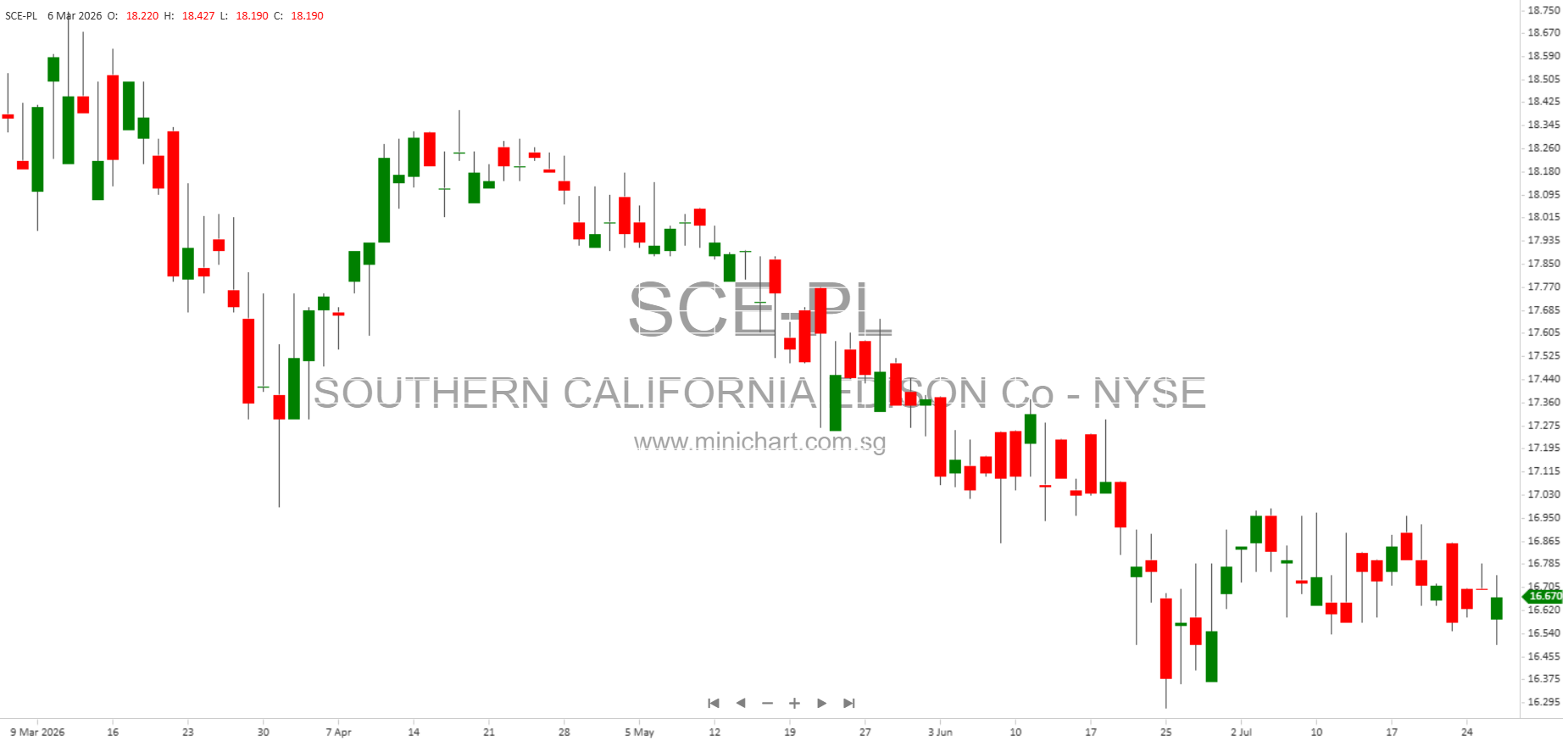
- Any legislative or regulatory action that might impair the bondholders’ rights could be viewed as credit-negative for SCE and could affect its share price and borrowing costs.
- Investors in SCE equity and debt should monitor any potential state legislative initiatives or voter actions that could seek to amend or repeal the Wildfire Financing Law or the State Pledge, as these could have material financial consequences for the company and the value of its shares and bonds.
- The legal opinion’s affirmation of strong bondholder protections may support investor confidence and result in lower financing costs for SCE, benefiting shareholders by preserving capital and stabilizing the company’s financial profile.
Conclusion
Southern California Edison’s \$1.95 billion wildfire recovery bond issuance is buttressed by robust legal protections for bondholders under both federal and state law. The explicit State Pledge and the analysis provided by Norton Rose Fulbright US LLP suggest that efforts to impair the value of the recovery property or recovery charges would face significant constitutional hurdles. Investors should, however, remain vigilant for any attempts to amend or repeal these protections, as such actions would be highly material to both bond and equity valuations.
Disclaimer: This article is for informational purposes only and does not constitute legal or investment advice. The analysis is based on a legal opinion and the facts as presented in the referenced document. Actual outcomes may depend on future legislative, regulatory, or judicial actions. Investors should conduct their own due diligence and consult with their professional advisors before making investment decisions.