Dow Inc. Q2 2026 Financial Report: Key Investor Insights
Overview
Dow Inc. has filed its Q2 2026 10-Q report, covering the period ending June 30, 2026. The filing provides extensive financial disclosures, segment results, and restructuring updates that are highly relevant for shareholders and could impact share value.
Key Points and Highlights
- Restructuring Activities: Dow continues to execute its “Transform To Outperform” and “A2025 Restructuring Program,” which includes costs associated with exit and disposal activities, asset write-downs, and workforce reductions. These restructuring programs are ongoing, with impacts across Industrial Intermediates & Infrastructure and Performance Materials & Coatings segments. The restructuring is aimed at improving profitability and operational efficiency, but could involve significant charges and cash outflows.
- Segment Performance: The report details financial performance across business segments:
- Packaging & Specialty Plastics: Maintains its role as a core driver of revenue, with further stratification by Hydrocarbons & Energy groups.
- Industrial Intermediates & Infrastructure: Undergoes restructuring and asset write-downs, potentially impacting future earnings, particularly within Industrial Solutions and Polyurethanes & Construction Chemicals groups.
- Performance Materials & Coatings: Notable for asset write-downs and exit activities, plus continued focus on Consumer Solutions and Coatings & Performance Monomers.
- Corporate Segment: Ongoing costs and restructuring, but also providing financial oversight across the company.
- Geographical Performance: Segment results are broken down by region, including U.S./Canada, Europe/Middle East/Africa/India, Asia Pacific, and Latin America. Regional performance can impact future growth strategies and risk exposure.
- Debt and Financial Instruments: The report references numerous long-term debt instruments, including notes due in 2041 and 2048, finance leases, and asset-backed securities. Dow’s balance sheet reflects ongoing management of debt, with implications for interest expense and credit ratings.
- Equity and Comprehensive Income: The filing includes updates on equity components: common stock, additional paid-in capital, retained earnings, treasury stock, accumulated other comprehensive income, and non-controlling interests. Movements in these accounts, particularly related to translation adjustments and unrealized investment gains/losses, could affect book value and investor perception.
- Derivatives and Hedging: Dow continues to utilize derivatives for hedging commodity, interest rate, and currency risks. The report details hedging designations (designated and non-designated instruments), risk management practices, and fair value hierarchy disclosures. Changes in hedging effectiveness or risk exposures could impact earnings volatility.
- Guarantees and Commitments: Dow is involved in performance guarantees, accounts receivable facilities, and credit facility arrangements. The company’s exposure to off-balance sheet risks should be monitored by investors.
- Litigation: There is mention of ongoing litigation, specifically the Dow v. Nova Chemicals Corporation Ethylene Asset Matter, which could result in significant judgments or settlements. Legal outcomes may materially impact share value if adverse.
- Restructuring Costs and Asset Write-Downs: The report provides context for restructuring costs, asset write-downs, and disposal activities. These items are price-sensitive and can directly affect reported earnings, cash flows, and future profitability.
Potential Share Price Impacts
- Restructuring Charges: The ongoing restructuring programs could result in significant charges. While these actions are intended to generate long-term benefits, they may cause short-term earnings volatility and investor concern.
- Asset Write-Downs: Write-downs in Industrial Intermediates and Performance Materials segments may signal underperformance or permanent impairment, potentially weighing on share price.
- Debt Management: The issuance and management of long-term debt instruments affect Dow’s leverage and interest coverage ratios. Any changes in credit rating or cost of debt could influence investor sentiment.
- Legal Risks: Ongoing litigation could result in material losses, especially if unfavorable outcomes arise. Investors should monitor updates closely.
- Segment and Regional Results: Variations in segment profitability and regional market outlooks may drive investor expectations for future growth or risk.
- Fair Value Adjustments: Changes in fair value measurements of financial instruments (including derivatives and securities) may impact reported results and book value.
Detailed Investor Considerations
- Dow’s restructuring efforts are broad and ongoing, with price-sensitive impacts on reported earnings and cash flows.
- Segment and geographical breakdowns provide insight into diversification and market exposure, which may affect risk and return profiles.
- Debt and financial instruments disclosures highlight the importance of liquidity management and capital structure.
- Derivatives and hedging practices underscore Dow’s proactive risk management, but may also introduce volatility depending on market conditions.
- Guarantees, commitments, and litigation exposures are material considerations for investors, as they may lead to unexpected cash outflows or losses.
- Movements in equity components (common stock, retained earnings, treasury stock, accumulated other comprehensive income) should be tracked as they affect book value and capital allocation flexibility.
Conclusion
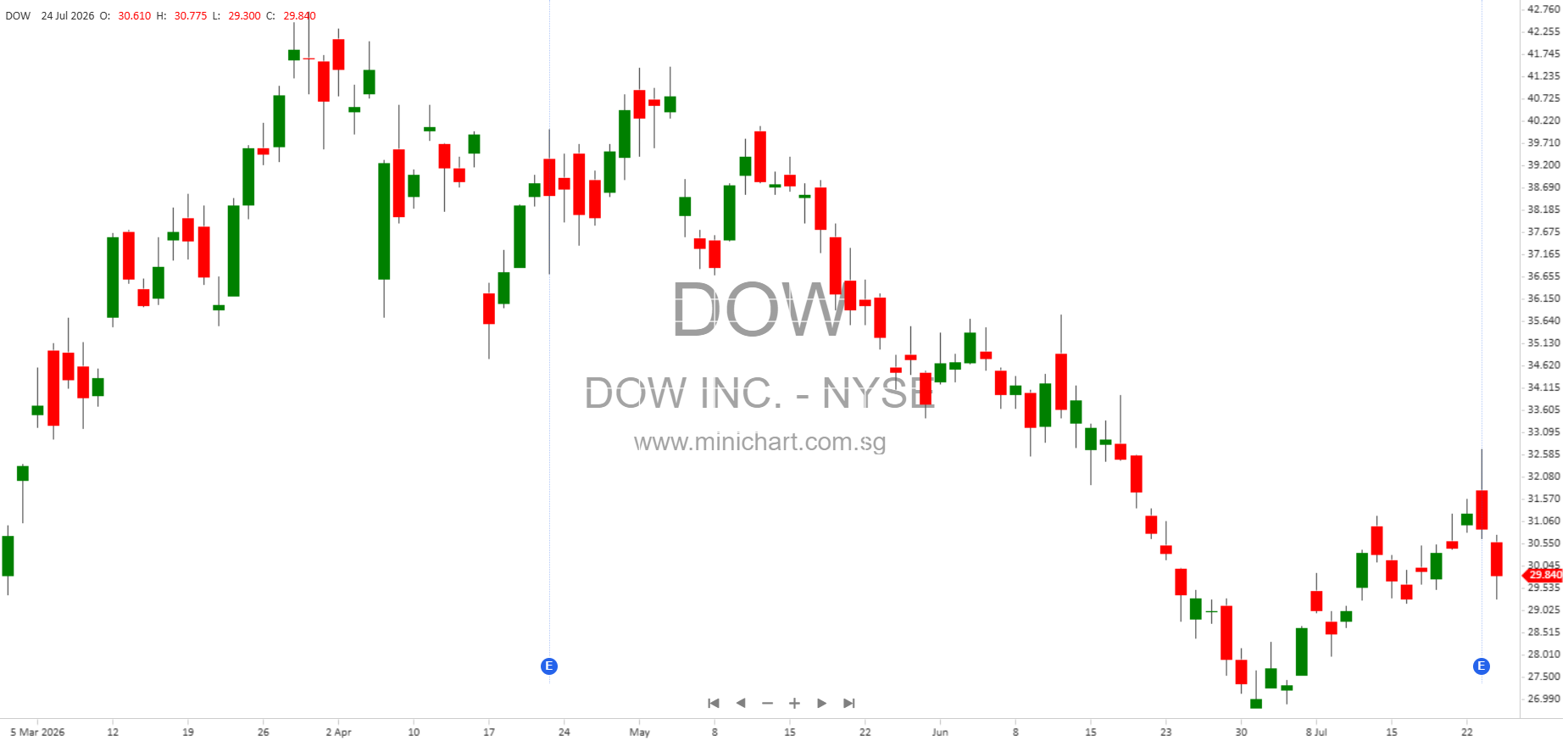
Dow Inc.’s Q2 2026 report reveals a company actively restructuring for future growth and profitability, but facing short-term earnings volatility and risk exposures. Shareholders should closely monitor restructuring charges, asset write-downs, legal proceedings, debt management, and segment performance as these factors may materially impact share price and future outlook.
Disclaimer: This article is based on the latest SEC filings and public disclosures from Dow Inc. It is intended for informational purposes only and does not constitute investment advice. Investors should conduct their own due diligence and consult financial professionals before making any investment decisions. Past performance does not guarantee future results.