RingCentral, Inc. Reports Q2 2026 Results: Profitable Growth and Positive Outlook
Key Highlights
- Net Income Surges: RingCentral reported a net income of \$69.7 million for Q2 2026, a significant increase compared to \$2.9 million in Q2 2025. For the six months ended June 30, 2026, net income stood at \$39.1 million, up from \$13.2 million for the same period in 2025.
- Revenue and Gross Profit: The company achieved a gross profit of \$441.4 million in Q2 2026 and \$937.1 million for the first six months of 2026, highlighting continued top-line growth.
- Earnings Per Share (EPS):
- Q2 2026 Basic EPS: \$0.83; Diluted EPS: \$0.80
- Q2 2025 Basic EPS: \$0.15; Diluted EPS: \$0.14
- Six months 2026 Basic EPS: \$0.47; Diluted EPS: \$0.45
- Six months 2025 Basic EPS: \$0.03; Diluted EPS: \$0.03
- Cash Position: As of June 30, 2026, RingCentral held \$111.5 million in cash and cash equivalents.
- Shareholder Returns: The company declared and paid cash dividends of \$0.075 per share, totaling \$6.4 million in Q2 2026. In addition, share repurchases reduced the outstanding common shares to 84.3 million as of March 31, 2026.
- Stockholders’ Deficit: Despite profitability, RingCentral reported a stockholders’ deficit of \$610 million as of June 30, 2026.
Detailed Financial Overview
Balance Sheet
- Total assets stood at \$1.38 billion as of June 30, 2026.
- Temporary equity attributable to the parent was \$199.4 million.
- Total stockholders’ deficit was reported at \$610 million, reflecting substantial accumulated deficit despite recent profitability.
- Additional paid-in capital increased to \$1.04 billion.
Operating Performance
- Research and Development: R&D expenses totaled \$82.8 million for Q2 2026, showing continued investment in innovation.
- Selling and Marketing: Expenses reached \$547.7 million for the first six months, indicating aggressive go-to-market strategies.
- Operating Income: Operating income for Q2 2026 was \$36.9 million, compared to \$100.3 million for the same period in 2025.
Forward-Looking Statements and Guidance
Management outlined several factors that may impact future results, including:
- Execution on growth strategies and ability to scale operations effectively.
- Success in developing and monetizing artificial intelligence (AI) and machine learning features.
- Market competition, macroeconomic conditions, and geopolitical risks.
- Capital allocation plans, including share repurchases, dividends, and debt repayments.
- Compliance with debt covenants and the potential impact of foreign exchange fluctuations as the business expands internationally.
Shareholder Alerts & Potential Price-Sensitive Information
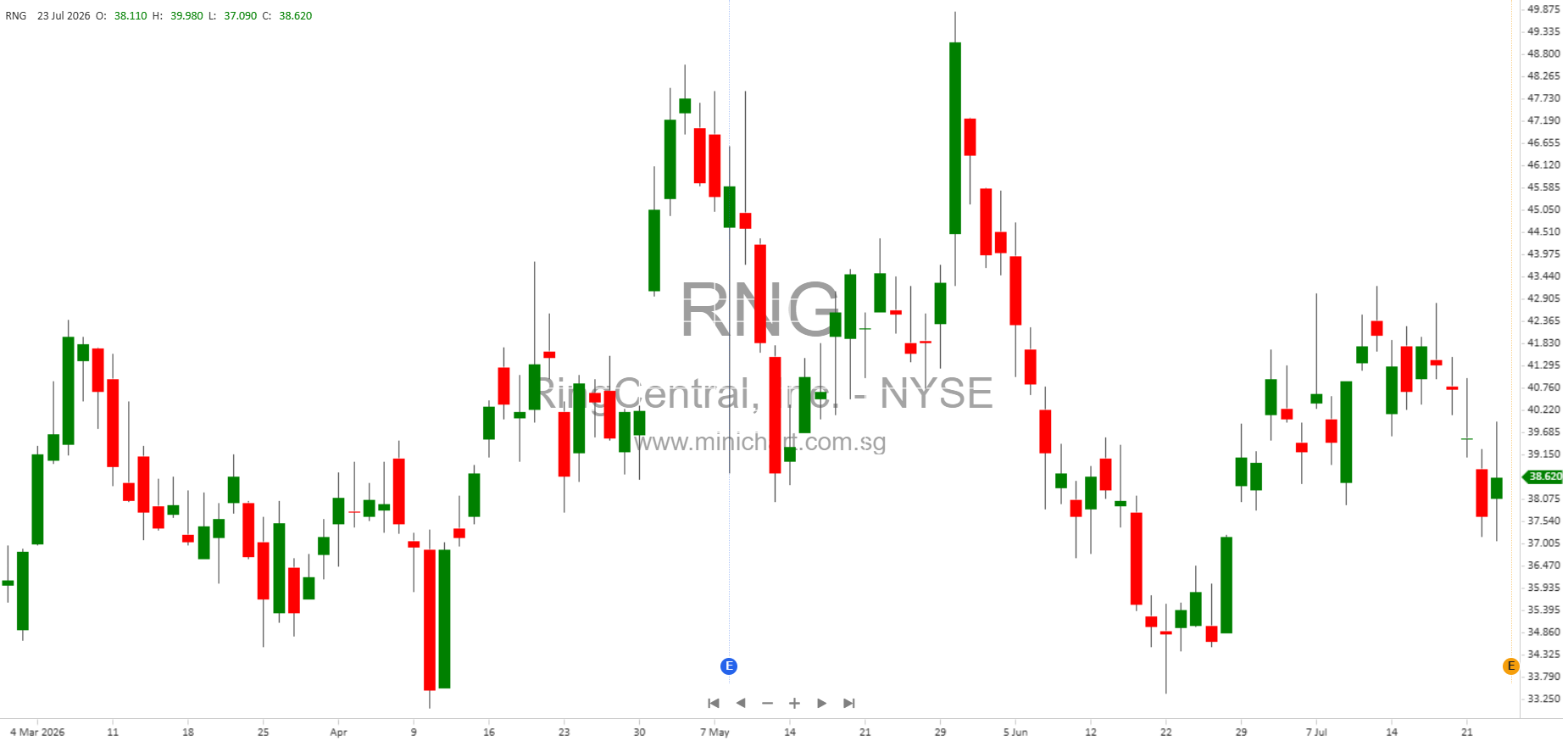
- Return to Profitability: The sharp turnaround to strong net income and positive EPS could be a major catalyst for share price appreciation, especially given the company’s history of accumulated deficits.
- Capital Return Programs: Continued dividend payouts and share repurchases demonstrate management’s commitment to returning value to shareholders, potentially boosting investor confidence.
- AI and R&D Focus: Significant ongoing investment in AI, R&D, and product innovation positions RingCentral for future growth but also reflects higher expenses that investors should monitor for impact on future margins.
- Stockholders’ Deficit: The substantial negative equity position, despite recent profitability, could raise concerns about the long-term capital structure and may affect valuation multiples.
- Forward-Looking Uncertainties: Management cautions that results could be impacted by a range of factors, including macroeconomic volatility, competitive dynamics, and execution risks in AI and new product commercialization.
Conclusion
RingCentral, Inc.’s Q2 2026 results mark a significant improvement in profitability and shareholder returns, underpinned by top-line growth, innovation investment, and disciplined capital management. However, the sizeable stockholders’ deficit and ongoing market uncertainties warrant close investor attention. The combination of strong earnings growth, shareholder-friendly actions, and strategic focus on AI and cloud communications positions the company as a potential outperformer—yet investors should remain alert to both upside and downside risks in the coming quarters.
Disclaimer: This article is for informational purposes only and does not constitute investment advice. Investors should review all company filings and consult with a financial advisor before making investment decisions. Past performance is not indicative of future results. The author is not responsible for any investment actions taken based on this summary.