Overview
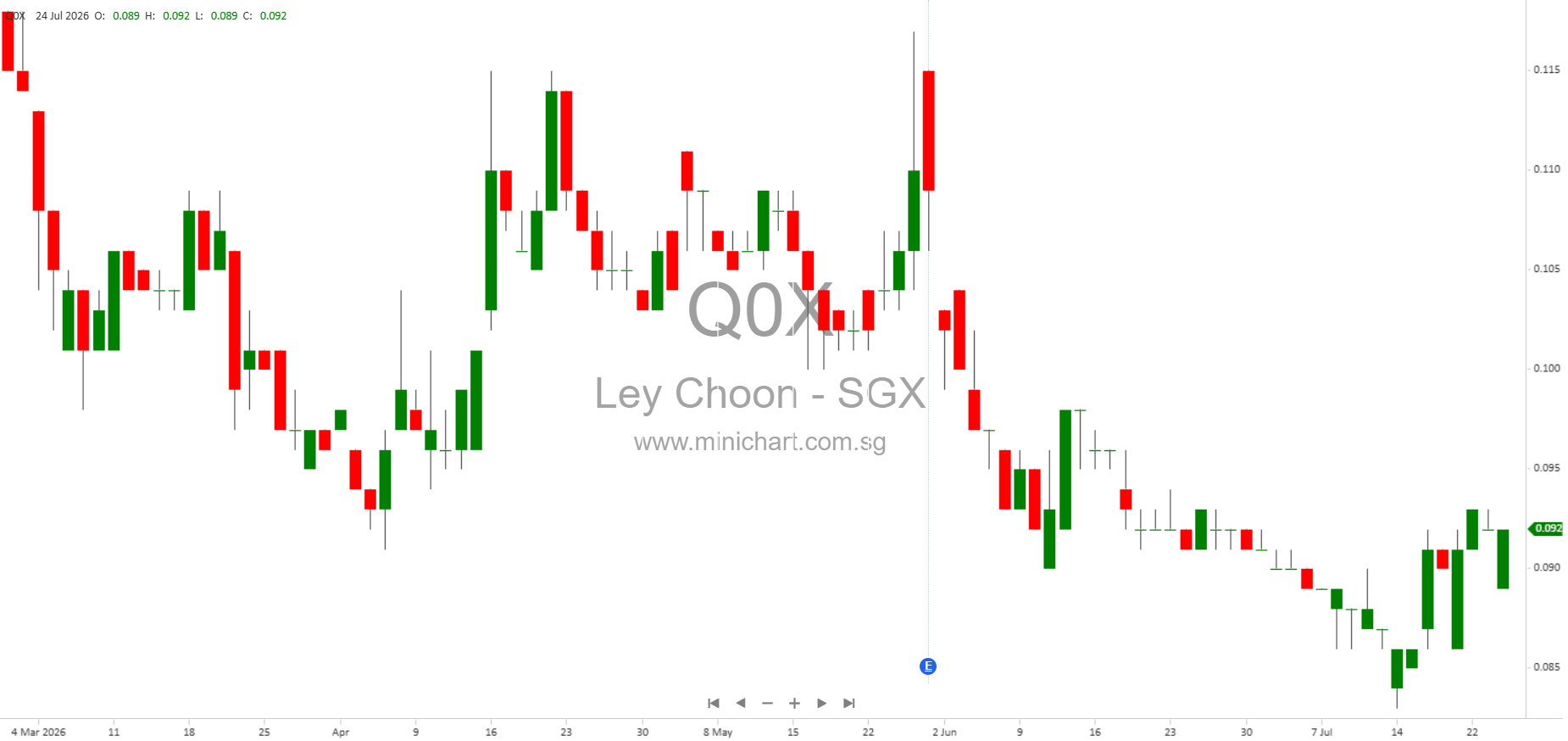
Ley Choon Group Holdings Limited has provided detailed responses to queries from the Securities Investors Association (Singapore) (SIAS) in relation to its Annual Report for FY2026. The Q&A addresses critical aspects of the company’s financial performance, operational cost structure, and sustainability oversight — all of which have direct relevance to current and potential investors.
Key Financial and Operational Highlights
-
Total Staff Costs: Staff costs surged by 20% to S\$52.5 million, significantly outpacing the 10.3% growth in revenue. This increase was attributed to:
- Headcount Expansion: A 15% increase in staff, linked to mobilisation for newly awarded projects. This alone accounted for 51% of the total staff cost increase.
- Rising Foreign Workforce Costs: Higher foreign worker levy rates and substantial costs for third-party dormitory accommodation (due to insufficient in-house capacity) made up 31% of the cost rise.
- Wage Increments: Both annual and ad hoc wage increases across all levels (from Board to general staff) contributed about 18% of the total increase.
- Productivity and Revenue Timing: The company noted that many new hires are still in the onboarding phase, and new project revenue will be realised in future periods. Thus, current staff costs are front-loaded, while corresponding revenue will be recognised later as these projects progress.
- Subcontracting Costs: These rose due to a higher volume of work with a major subcontractor and the need to temporarily supplement in-house workforce as new contracts ramped up. However, management expects these pressures to be temporary and not representative of a permanent shift in subcontractor bargaining power or availability.
- Other Cost of Sales: Costs beyond staff and subcontracting include materials, operational costs, depreciation, and insurance. Fuel costs rose sharply (from an average of 3% to 6% of monthly cost of sales in March 2026) due to global volatility, while oil-related material prices also increased, though less significantly.
Key Risks and Cost Trends — What Investors Must Note
-
Cyclical vs. Structural Cost Changes:
- Fuel and oil-related material price increases are seen as cyclical, tied to geopolitical volatility and expected to fluctuate.
- In contrast, higher foreign worker levies and related workforce costs are considered the “new normal” due to regulatory changes — these are unlikely to revert and will persist in the cost base.
- Wage increments are also expected to be a recurring part of the company’s cost structure.
-
Margin Management Strategies:
- Management is adapting by factoring anticipated cost increases into tender pricing for new projects, securing bulk purchase orders, seeking alternative suppliers, and maintaining strict project selection criteria to protect margins.
Forward Guidance and Disclosure Framework
- The Board is currently reviewing the adoption of a structured forward guidance framework, in line with SGX RegCo’s recommendations. For now, order book details and expected revenue recognition timelines are disclosed in the financial statement notes.
Sustainability Oversight and Board Involvement
-
Sustainability Committee:
- Chaired by the CEO and includes CFO, COO, and heads of EHS, HR, Plant & Logistics, Facilities, and Tender & Contracts.
- Meets monthly as part of management meetings, setting sustainability targets, monitoring metrics, overseeing reporting, and training needs.
-
Board Oversight:
- Material sustainability matters (e.g., EHS incidents, regulatory non-compliance, climate-related risks, major capex with sustainability implications) are tabled for Board deliberation.
- The company incorporates sustainability and client ESG requirements into project and tender evaluation.
- An independent professional firm conducts annual enterprise risk management reviews (including sustainability risks) and audits internal controls over sustainability reporting, with findings presented to the Audit Committee.
Potential Price-Sensitive Issues
- Persistent Increase in Structural Costs: Investors should note that the company expects workforce-related costs (foreign worker levies, wage increments) to remain elevated as part of a “new normal”. This may continue to place pressure on margins unless offset by improved pricing or operational efficiencies.
- Timing Mismatch Between Costs and Revenue: The front-loading of staff and mobilisation costs ahead of revenue recognition for new projects could affect near-term profitability and margin trends.
- Management’s Margin Protection Actions: The company’s ability to pass on cost increases to customers via project pricing and maintain disciplined project selection is crucial for sustaining margins.
- Commitment to Improved Disclosure: The Board’s ongoing review of forward guidance practices could enhance transparency, potentially impacting market perception and share value.
- Sustainability Integration: Heightened focus on sustainability oversight and risk management, with Board-level involvement, could improve the company’s ESG profile, potentially affecting investor interest and access to capital.
Conclusion
Investors should closely monitor Ley Choon Group’s cost structure evolution, management’s margin strategies, and any forthcoming changes in forward guidance or sustainability reporting. The persistence of higher workforce costs and the timing of revenue recognition from new projects are especially noteworthy and could have a material impact on future earnings and share price performance.
Disclaimer: This article is for informational purposes only and does not constitute investment advice. Investors should conduct their own due diligence and consult their financial advisors before making investment decisions. The author and publisher are not responsible for any losses arising from reliance on this information.
联俊集团控股有限公司:2026财年年报问答——投资者重点解读
概览
联俊集团控股有限公司针对新加坡证券投资者协会(SIAS)就其2026财年年报提出的问题做出了详细回应。问答涵盖了公司财务表现、运营成本结构及可持续发展管理等关键点,对投资者具有直接参考价值。
主要财务与运营亮点
-
员工总成本: 员工总成本激增20%至5,250万新元,远超收入10.3%的增长。主要原因包括:
- 员工数量扩张: 人数增长15%,与新项目启动有关,占总成本增长的51%。
- 外籍员工相关成本上升: 外劳税上调及因自有宿舍容量不足而需租用第三方宿舍,占成本增长的31%。
- 工资上涨: 包括年度和临时加薪,涵盖董事会、高管及基层员工,占总成本增长的18%。
- 生产力与收入确认时点: 许多新员工仍处于培训阶段,新项目的收入将在未来期间确认,导致本期成本先于收入发生。
- 分包成本: 由于与某主要分包商工作量增加及新合同需要临时补充人手,分包成本上升。不过,管理层预计这只是阶段性现象,不是结构性转变。
- 其他销售成本: 包括材料、运营、折旧和保险等。燃油成本受国际局势影响,在2026年3月占月销售成本6%(平时为3%),油品材料价格也有所上升,但影响相对较小。
投资者需关注的关键风险与成本趋势
-
周期性与结构性成本变化:
- 燃油及油品材料价格受地缘局势影响,属于周期性波动。
- 外劳税及相关成本受政策推动,已成“新常态”,难以逆转。
- 工资上涨也将持续作为基本成本结构的一部分。
-
利润率管理措施:
- 公司通过在新项目投标时预估成本上升、集中采购、寻找替代供应商及严格筛选项目等方式保护利润率。
前瞻指引与信息披露框架
- 董事会正在研究是否采纳结构化前瞻性指引。目前,订单储备及收入确认时间已在财报附注中披露。
可持续发展管理与董事会参与
-
可持续发展委员会:
- 由CEO担任主席,成员包括CFO、COO、EHS、HR、设备及合同负责人。
- 每月随管理会议召开,负责制定目标、监控指标、监督报告及培训需求。
-
董事会监督:
- 重大可持续发展事项(如EHS事故、合规、气候风险、重大投资等)提交董事会讨论。
- 公司在项目及投标评估时纳入可持续发展与客户ESG要求。
- 每年聘请独立第三方进行风险管理与可持续发展报告内控审查,结果提交审计委员会。
可能影响股价的重要事项
- 结构性成本上升持续: 员工相关成本(如外劳税、工资)已成“新常态”,如未能通过提价或效率提升抵消,利润率将受压。
- 成本与收入确认错配: 新项目员工及动员成本已先发生,相关收入将在后续确认,短期利润率或受影响。
- 管理层利润率保护措施: 能否将成本上升转嫁客户、保持项目筛选纪律,对利润率至关重要。
- 信息披露透明度提升: 董事会正审视前瞻指引,有望改善市场形象,影响投资者信心与股价。
- 可持续发展整合: 加强可持续发展管控及风险管理,有助提升ESG形象,吸引资本。
结论
投资者需密切关注公司成本结构变化、利润率管理措施及未来可能的前瞻指引和可持续发展报告调整。员工成本居高不下及新项目收入确认时点,将对未来盈利能力及股价表现产生重大影响。
免责声明: 本文仅供参考,不构成投资建议。投资者应自主尽调并咨询专业理财顾问,作者及发布者不对因依赖本文内容造成的任何损失负责。