IBM Q2 2026 Financial Report: Key Investor Highlights
International Business Machines Corporation (IBM) has filed its Form 10-Q Quarterly Report for the period ending June 30, 2026. Below we break down the essential details, including matters of potential significance to shareholders and investors, with a focus on factors that could move the share price.
Key Points from IBM’s Q2 2026 Report
- Reporting Period: Q2 2026, covering January 1, 2026, through June 30, 2026.
- Stock Listing: Shares continue to trade on the New York Stock Exchange under the ticker symbol IBM.
- Securities Registered: IBM has various securities registered, including capital stock (\$.20 par value per share) and a wide range of notes and debentures with various maturities, reflecting a diversified funding structure.
- Geographic Segmentation: IBM organizes revenue and operations across major geographic regions, including Americas, EMEA (Europe, Middle East, Africa), and Asia Pacific.
- Business Segments: IBM continues to operate through its core segments: Technology Services, Product, and Financial Services. Financing remains a notable support division, with a focus on client receivables and portfolio management.
- Performance Obligations: The report outlines performance obligations, especially in Technology Services and Product, suggesting a backlog of contracted but undelivered revenues that may drive future topline growth.
Important and Potentially Price-Sensitive Information
-
Presence of Multiple Debt Instruments:
- The company has issued a significant number of notes with staggered maturities extending out to 2045 and beyond. Recent notes include 0.300% Notes due 2026, 1.250% Notes due 2027, and several others with varying yields and maturities.
- This diversified debt portfolio may impact IBM’s future interest expenses and refinancing risks. Investors should monitor the company’s ability to service and refinance these obligations, especially in a changing interest rate environment.
-
Segmented Financial Disclosures:
- The company provides detailed segmental reporting, including by product/service (Technology Services, Product, Financial Services) and by geography (Americas, EMEA, Asia Pacific).
- Any shifts in profitability or growth in these areas could signal evolving business performance. For instance, a surge in Technology Services or a slowdown in Asia Pacific might be an early indicator of a strategic pivot or macroeconomic impact.
-
Derivative and Hedging Activities:
- IBM is actively engaged in derivative contracts for risk management, including fair value and cash flow hedges, and net investment hedges. These are positioned to manage exposure to interest rates, foreign exchange, and other risks.
- Movements in these hedged items—especially if market volatility increases—could have a material impact on reported earnings or equity, and thus affect share price.
-
Equity Components:
- The report details changes in equity components, including common stock, retained earnings, treasury stock, accumulated other comprehensive income, and noncontrolling interests.
- Substantial movements in these components—such as large buybacks, dividend changes, or significant items in other comprehensive income—could be material for shareholder value.
-
Subsequent Events:
- The report includes a section on subsequent events, indicating that there have been developments after the close of the reporting period (up to July 22, 2026). While specifics are not disclosed in the provided extract, investors should monitor for press releases or filings that may provide more detail, as such events can be highly price sensitive.
-
Securities Trading on Multiple Markets:
- IBM securities are listed not only on the primary NYSE but also referenced as trading on “NYSE Texas” and possibly other exchanges. This could enhance liquidity but may also introduce complexity in regulatory oversight and pricing.
What Should Shareholders Watch For?
- Debt Service and Refinancing Risk: The company’s extensive portfolio of notes and debentures means that future cash flow and interest rate management will be critical. Any inability to refinance at favorable rates could pressure earnings and share price.
- Segment Performance: Investors should watch for quarterly updates on the Technology Services and Financial Services segments, as well as geographic trends, for early signals of growth or weakness.
- Derivative Results: Sudden market movements could affect the effectiveness of IBM’s hedging strategies, which could result in gains or losses recognized in earnings or equity.
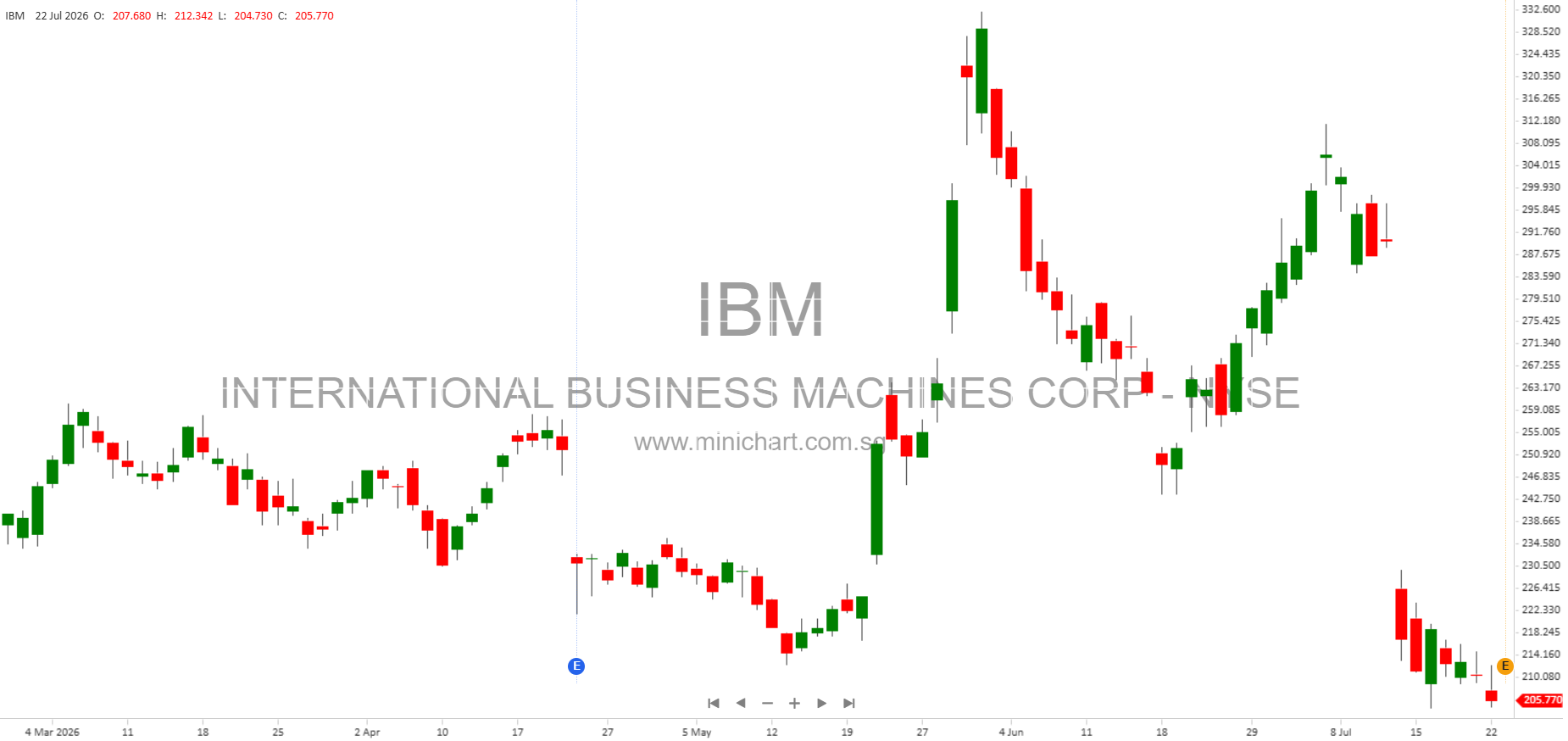
- Subsequent Events: Any material event occurring after June 30, 2026, but before the filing date, could have an immediate impact on share price once publicly disclosed.
Conclusion
IBM’s Q2 2026 report reaffirms its position as a diversified technology and services company with a complex capital structure and global reach. While there are no specific earnings or revenue figures provided in this extract, the presence of substantial debt, active risk management, and detailed segmental reporting provide investors with several key metrics to monitor. Any material change in these areas, or the announcement of a significant subsequent event, could be pivotal for IBM’s share price.
Disclaimer: This article is based on a review of IBM’s Q2 2026 Form 10-Q as filed with the SEC. It is not investment advice. Investors should review the full filing and consult with a financial advisor before making investment decisions, as this summary may not include all material information.