Acumen Pharmaceuticals Nominates Two Enhanced Brain Delivery (EBD™) Drug Candidates for Alzheimer’s Disease
Key Highlights
- Acumen Pharmaceuticals (NASDAQ: ABOS) has nominated two development candidates, ACU301 and ACU401, as part of its Enhanced Brain Delivery™ (EBD™) program targeting Alzheimer’s disease (AD).
- These candidates leverage a unique combination of Acumen’s amyloid beta oligomer (AβO)-selective antibody expertise and JCR Pharmaceuticals’ validated transferrin-receptor-targeted blood-brain barrier-penetrating technology, J-Brain Cargo®.
- IND-enabling activities are ongoing with a goal to submit an Investigational New Drug (IND) application in mid-2027.
- Preclinical data shows brain penetration 14–40 times higher than native antibodies in non-human primates (NHPs), with a favorable safety profile and potential for improved patient convenience through stable, low-volume subcutaneous administration.
- The company is also advancing sabirnetug (ACU193), a humanized monoclonal antibody, in a Phase 2 clinical trial (ALTITUDE-AD) for early symptomatic AD, with topline results expected in late 2026.
Details of the Announcement
Acumen Pharmaceuticals’ recent announcement marks a significant step in the company’s Alzheimer’s disease pipeline, with the nomination of ACU301 and ACU401 as EBD program candidates. These nominations follow robust preclinical performance in both in vitro and in vivo models, and the exercise of an option within Acumen’s collaboration with JCR Pharmaceuticals.
The EBD program stands out as it is the only anti-amyloid oligomer initiative combining a validated blood-brain barrier-penetrating technology with a therapeutic antibody already tested in clinical settings. The enhanced delivery is accomplished via JCR’s J-Brain Cargo® system, which uses transferrin-receptor targeting for effective brain penetration.
The two candidates represent:
- A bispecific antibody derived from sabirnetug (ACU193), Acumen’s lead asset.
- A next-generation AβO-selective antibody (ACU234), offering differentiated properties.
By expanding its candidate base, Acumen increases its optionality and addresses the challenge of delivering therapeutics across the blood-brain barrier—a major obstacle in Alzheimer’s drug development.
Preclinical Data and Clinical Implications
Preclinical studies have demonstrated that the EBD candidates achieve significantly improved brain penetration compared to native antibodies, with antibody concentrations measured at 14 to 40 times higher at 24 hours in NHPs. Importantly, there were no adverse events and a low risk of anemia as assessed by a panel of hematology endpoints, highlighting a potentially favorable safety profile.
Further, the EBD candidates showed excellent stability and plasma pharmacokinetic profiles following subcutaneous (SC) administration in NHPs, supporting the feasibility of a more convenient SC dosing regimen for future patients.
These findings are particularly noteworthy as current Alzheimer’s antibody therapies often face challenges in crossing the blood-brain barrier and require intravenous administration, which is less convenient for patients.
Strategic Significance and Potential Shareholder Impact
- Expansion of the Pipeline: The nomination of two EBD-enabled candidates broadens Acumen’s Alzheimer’s disease pipeline, increasing the company’s optionality and potential value.
- Partnering with JCR Pharmaceuticals: Leveraging JCR’s proven J-Brain Cargo® technology (already used in an approved drug in Japan) may de-risk development and accelerate timelines.
- Market Differentiation: A successful EBD platform could position Acumen as a leader in next-generation Alzheimer’s therapies, especially if the subcutaneous administration and safety advantages are confirmed in clinical trials.
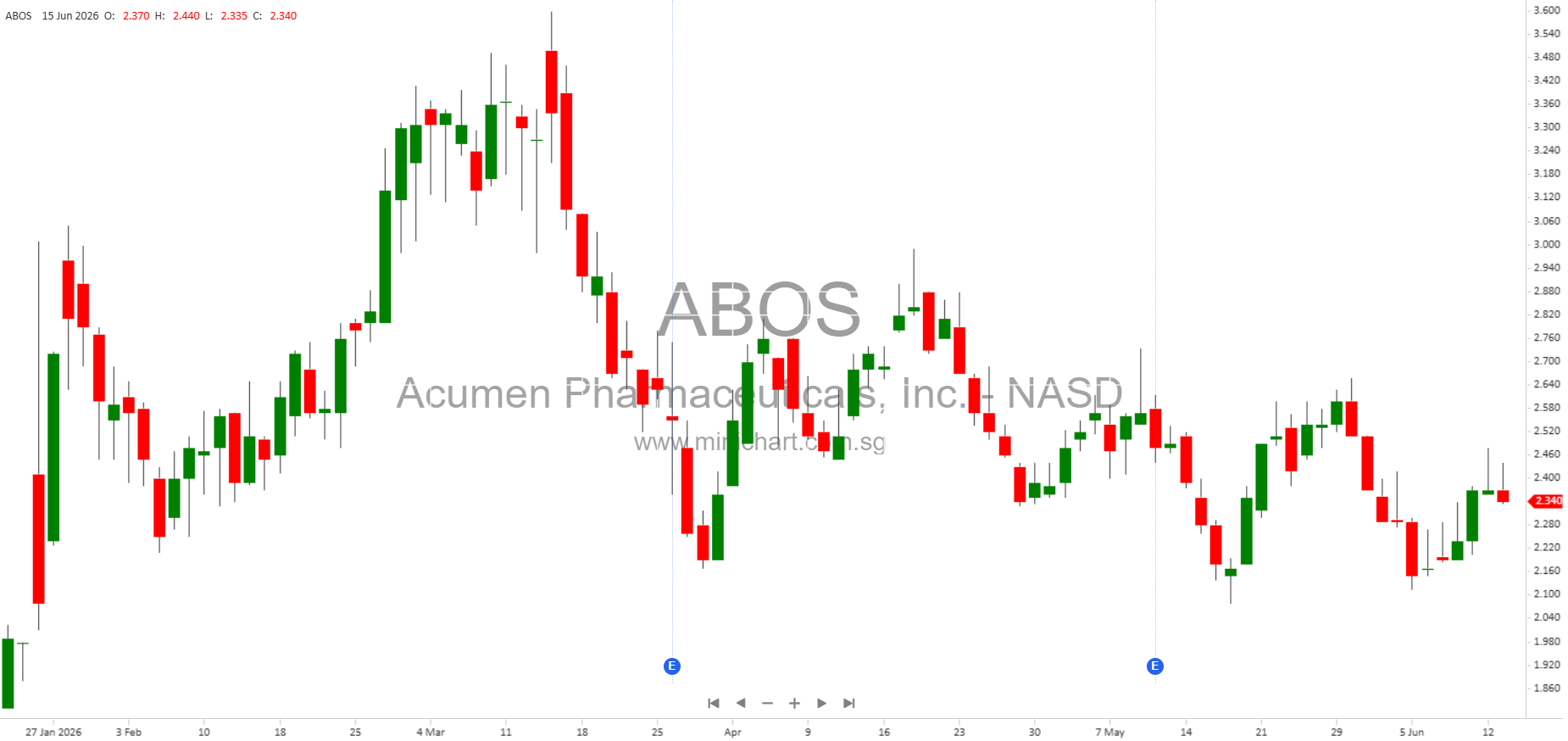
- Upcoming Catalysts: IND submission for ACU301/401 is targeted for mid-2027, while topline results from the Phase 2 ALTITUDE-AD trial for sabirnetug are expected in late 2026—a potential inflection point for share value.
About Acumen’s Lead Programs
- Sabirnetug (ACU193): A humanized monoclonal antibody targeting toxic soluble AβOs, believed to be early and persistent triggers of Alzheimer’s pathology. Sabirnetug is in a Phase 2 placebo-controlled trial (ALTITUDE-AD) with 542 participants across the US, Canada, EU, and UK. Fast Track designation has been granted by the FDA.
- J-Brain Cargo® Platform: JCR Pharmaceuticals’ proprietary blood-brain barrier-penetrating technology is already validated in Japan for lysosomal storage disorders, potentially supporting the de-risking of Acumen’s development candidates.
Forward-Looking Considerations
Investors should note that the success of the EBD program candidates and sabirnetug’s Phase 2 trial results represent significant future catalysts. Any positive clinical data, regulatory progress, or partnership milestones could materially affect Acumen’s share price. However, as with all early-stage biopharmaceutical development, risks remain—including scientific, regulatory, and market execution risks. Macroeconomic factors, such as inflation, interest rates, and supply chain disruptions, may also influence outcomes.
Contact Information
- Investors: Alex Braun – [email protected]
- Media: ICR Healthcare – [email protected]
Disclaimer: This article is for informational purposes only and does not constitute investment advice. Forward-looking statements in this article are based on information available as of the publication date and are subject to risks and uncertainties that may cause actual results to differ materially. Investors should conduct their own due diligence and consult professional advisors before making investment decisions.