Frequency Electronics, Inc. Secures New Credit Facility with JPMorgan Chase Bank
Key Highlights from the Form 8-K Filing
- Frequency Electronics, Inc. (NASDAQ: FEIM) has entered into a new Credit Agreement, dated June 12, 2026, with JPMorgan Chase Bank, N.A. as the Lender.
- The agreement includes FEI-Zyfer, Inc., a subsidiary of the company, as guarantor.
- The Credit Agreement is accompanied by a Pledge and Security Agreement, further securing the interests of the lender.
- The terms of the credit facility include specific financial covenants, collateral requirements, and representations and warranties by the company.
- This development was disclosed in a Current Report on Form 8-K, which is a price-sensitive event for shareholders.
Details of the Credit Agreement
The newly executed Credit Agreement provides Frequency Electronics, Inc. (the “Borrower”) access to a revolving credit facility, which is a significant financial development for the company, potentially impacting its liquidity, operational flexibility, and future growth opportunities.
- Parties Involved: The agreement is among Frequency Electronics, Inc. (Borrower), FEI-Zyfer, Inc. (subsidiary guarantor), and JPMorgan Chase Bank, N.A. (Lender).
- Loan Structure: The facility is structured as a revolving credit arrangement, meaning the company can borrow, repay, and re-borrow funds as needed, subject to the terms and conditions of the agreement.
- Collateral: The loan is secured by a Pledge and Security Agreement, granting the lender a security interest in certain company assets.
- Interest Rate: The applicable interest rate on borrowings under the agreement is set at 2.50% per annum over the relevant benchmark rate, with a floor of 0.00% for the Term SOFR Rate.
- Financial Covenants: The agreement contains numerous affirmative and negative covenants, including restrictions on additional indebtedness, liens, asset sales, investments, and dividend payments (“Restricted Payments”).
- Reporting and Compliance: The company is required to provide financial statements, notices of material events, and maintain compliance with all laws, contractual obligations, and maintain insurance on collateral.
- Events of Default: Standard events of default are included, such as breaches of covenants, insolvency, material adverse effects, and cross-defaults to other material indebtedness.
Potential Impact on Shareholders and Share Price
- Liquidity and Growth: This credit facility strengthens the company’s liquidity profile, allowing it to fund working capital, repay existing indebtedness, or pursue strategic investments, which may be viewed positively by investors.
- Leverage and Financial Flexibility: While increased access to debt can enhance growth, it also introduces additional leverage and obligations to comply with covenants. Any future breach or drawdown could have material implications for the company’s operations and share value.
- Covenant Restrictions: The restrictions on asset sales, additional debt, and dividends (“Restricted Payments”) mean the company may have limited options for shareholder returns while the facility is outstanding.
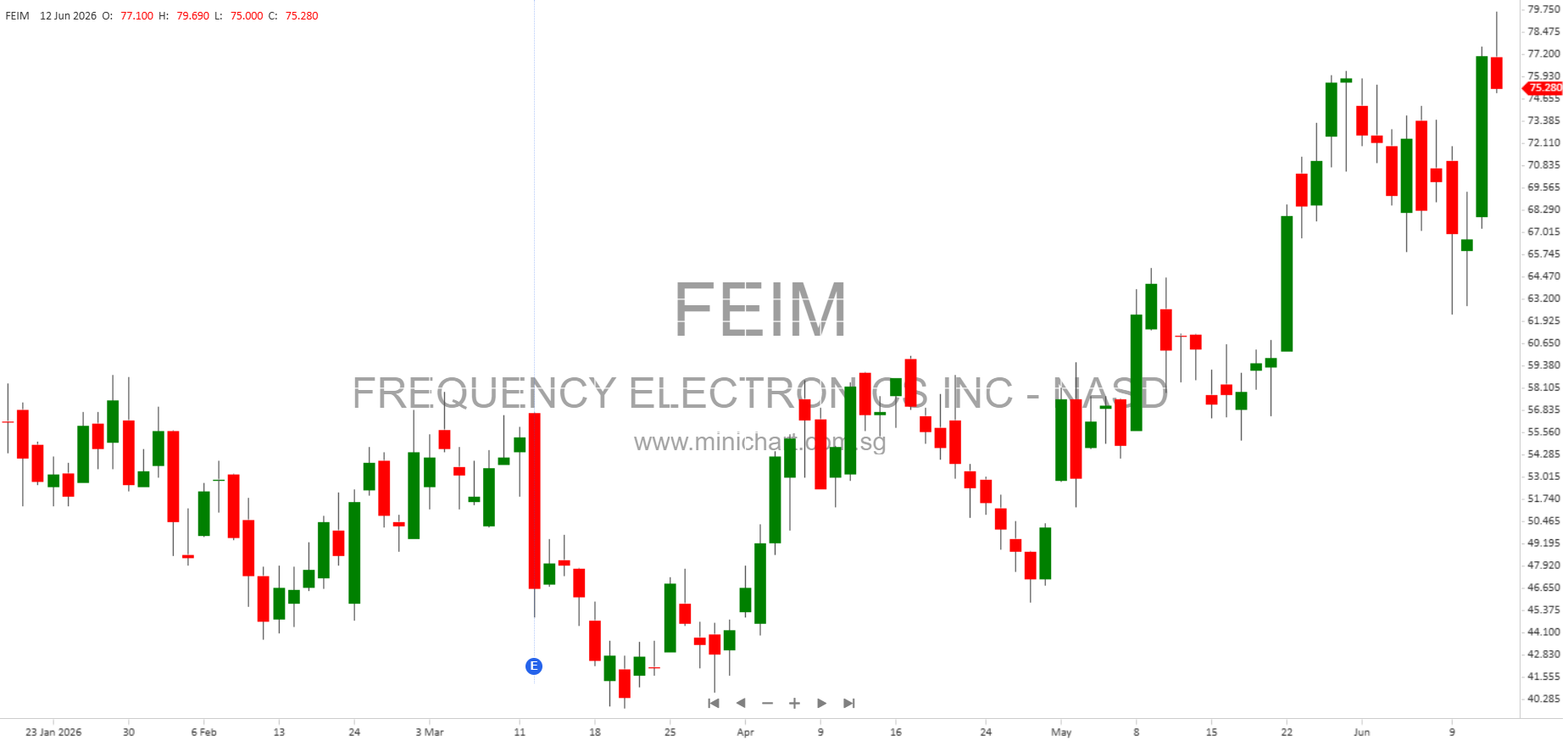
- Price Sensitivity: The execution of this agreement, and any subsequent borrowing, is a material event that could influence investor sentiment and the company’s market valuation.
- Secured Nature of Loan: The lender has recourse to certain company assets, which could affect recoveries in a downside scenario.
Key Terms and Definitions
The filing includes an extensive set of definitions, representations, warranties, and schedules related to the agreement. These include:
- Definitions of “Material Adverse Effect,” “Material Agreements,” and “Material Indebtedness” (threshold of \$1,000,000 for materiality).
- Detailed schedules listing existing indebtedness, liens, investments, and affiliate transactions, providing transparency into the company’s current obligations and relationships.
- Affirmative covenants requiring regular reporting, maintenance of insurance, compliance with laws, and use of proceeds for permitted purposes.
- Negative covenants restricting new debt, liens, asset sales, investments, swap agreements, and transactions with affiliates.
- Requirements for newly formed or acquired subsidiaries to join as guarantors, further securing the lender’s position.
Conclusion
The entry into this credit facility with JPMorgan Chase is a noteworthy development for Frequency Electronics, Inc. It enhances the company’s financial resources but also introduces new obligations and restrictions. Shareholders should closely monitor future disclosures regarding drawdowns, compliance with covenants, and use of proceeds, as these could materially affect the company’s financial position and share price.
Disclaimer: This article is for informational purposes only and does not constitute investment advice. Investors should conduct their own due diligence or consult a financial advisor before making investment decisions. The information presented is based on the company’s public filings and may be subject to change.