Ascletis Pharma Announces Major Advances in Obesity Portfolio at ADA 2026 – Key Data on ASC30, ASC37, and ASC39
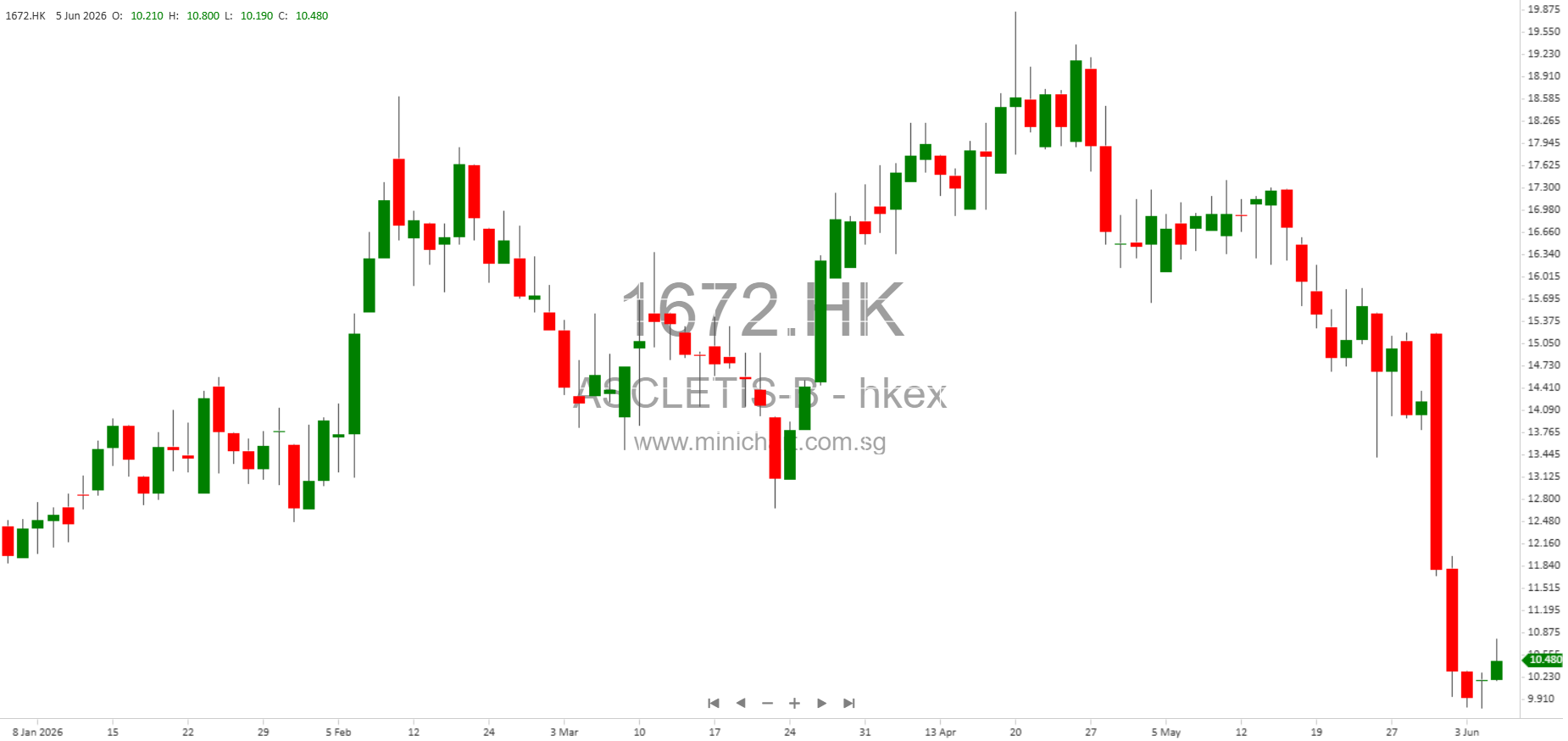
Ascletis Pharma Inc. (HKEX: 1672) has released a voluntary announcement highlighting significant progress in its differentiated obesity treatment portfolio, showcased at the American Diabetes Association (ADA) 2026 Scientific Sessions held in New Orleans. The company presented three pivotal studies, drawing strong interest from leading metabolic disease experts. These developments could have a material impact on the company’s future prospects and may be price sensitive for shareholders.
Key Highlights from ADA 2026 Presentation
- Three Advanced Candidates: Ascletis showcased clinical and preclinical data from three innovative obesity drug candidates: ASC30 (oral GLP-1R agonist), ASC37 (oral triple agonist peptide), and ASC39 (oral amylin receptor agonist).
- Strong Interest from Industry Experts: Data presented received considerable attention, underlining Ascletis’ innovation capabilities in the metabolic disease therapeutics sector.
1. ASC39: Potent Oral Amylin Receptor Agonist
- Receptor Selectivity: ASC39 demonstrated high selectivity for the human amylin type 1 receptor (hAMY1R), matching industry benchmark eloralintide, but with reduced off-target activity on the human calcitonin receptor. This may reduce central adverse effects typically associated with amylin analogs, such as nausea and excessive appetite suppression.
- Preclinical Efficacy: In diet-induced obesity (DIO) rat models, ASC39 administered orally showed a clear, dose-dependent reduction in body weight. At the highest dose (5 mg/kg), rats achieved a 9.9% weight reduction by Day 11 versus 2.8% in the placebo group (statistically significant, p<0.01).
- Head-to-Head Comparison: ASC39 (5 mg/kg, oral) was as effective as eloralintide (3 nmol/kg, subcutaneous) in reducing body weight, with both showing significant effects as early as Day 2. By Day 7, ASC39-treated rats lost 6.0% body weight vs. a 0.6% gain in placebo.
- Takeaway: ASC39 is a highly selective, potent oral small-molecule amylin receptor agonist, positioned as a promising development candidate for obesity treatment.
2. ASC30: Oral Small-Molecule GLP-1R Agonist
- Mechanism & Potency: ASC30 is a fully biased oral small-molecule GLP-1R agonist with a chemical structure similar to orforglipron (OFG). It demonstrated 2-3 times higher potency than OFG in vitro.
- Superior Pharmacokinetics: In non-human primates (NHPs), ASC30 at 1.5 mg/kg stimulated significantly more insulin secretion than OFG at 6 mg/kg and achieved about 5-fold higher oral exposure.
- Clinical Trial Results: In participants with obesity, ASC30 showed dose-proportional pharmacokinetics (2–60 mg range) and a favorable safety profile with no hepatic safety concerns (no elevations in ALT, AST, or TBL).
- Phase II Topline Results: In a 125-patient Phase II study, once-daily ASC30 tablets led to statistically significant, clinically meaningful, and dose-dependent placebo-adjusted mean body weight reductions at Week 13: 5.4% (20 mg), 7.0% (40 mg), and 7.7% (60 mg).
- Improved GI Tolerability: The rate of vomiting with weekly titration was about half that seen with OFG. All GI adverse events were mild (grade 1) or moderate (grade 2), with no severe (grade 3+) events or drug-related serious adverse events. Discontinuation rates due to AEs were low and similar to placebo.
- Next Steps: Global Phase III trials are planned to start by end of Q3 2026, involving two 72-week, randomized, double-blind, placebo-controlled studies in obese or overweight subjects (with/without type 2 diabetes), evaluating once-daily oral ASC30 at 20 mg, 40 mg, and 60 mg (with up to 20 weeks of dose titration).
- Takeaway: ASC30 oral tablets offer robust dose-dependent weight loss and superior GI tolerability compared to OFG, supporting its potential as a best-in-class oral GLP-1R agonist.
3. ASC37: First-in-Class Oral GLP-1R/GIPR/GCGR Triple Agonist Peptide
- Novel Delivery Technology: Developed with Ascletis’ proprietary POTENT (Peptide Oral Transport ENhancement Technology), ASC37 achieves oral bioavailability of 3–5% by impeding enzymatic degradation and boosting GI permeability—a major leap for oral peptide drugs.
- Superior Bioavailability: In NHPs, the oral bioavailability of semaglutide and tirzepatide using POTENT was 3-fold and 9-fold higher, respectively, than their commercial SNAC (salcaprozate sodium) formulations. For ASC37, oral tablets achieved 4.2% bioavailability—30- and 60-fold higher than tirzepatide and retatrutide SNAC formulations, respectively, in head-to-head studies.
- Extended Half-Life: ASC37 oral tablets showed an average half-life of ~56 hours in NHPs, supporting once-daily or potentially less frequent dosing.
- Takeaway: ASC37 represents a first-in-class oral triple agonist peptide with strong bioavailability and long half-life, supporting its clinical development potential in obesity and metabolic diseases.
Shareholder-Relevant and Potentially Price-Sensitive Information
- Pipeline Progress: The announcement demonstrates Ascletis’ strong pipeline of differentiated oral obesity therapeutics, with both small molecule and peptide candidates showing highly competitive efficacy and safety.
- Phase III Trial Initiation: The planned initiation of global Phase III studies for ASC30 by Q3 2026 is a significant milestone, suggesting the company is advancing towards potential commercialization.
- Proprietary Technology: The proprietary POTENT platform could be a game-changer for the oral delivery of peptide drugs, potentially offering Ascletis a strategic advantage and licensing opportunities.
- Clinical Differentiation: Demonstrated improved efficacy, tolerability, and pharmacokinetics relative to leading competitors (notably OFG, semaglutide, tirzepatide, retatrutide) may position Ascletis as a leader in the rapidly expanding obesity therapeutics market.
- Cautionary Note: The company reminds investors there is no guarantee that ASC30, ASC39, or ASC37 will ultimately be developed, manufactured, or commercialized successfully.
Leadership and Governance Update
As of the announcement date (June 8, 2026), the Board includes Dr. Jinzi Jason Wu and Mrs. Judy Hejingdao Wu as executive directors, with three independent non-executive directors: Dr. Yizhen Wei, Mr. Jiong Gu, and Ms. Lin Hua.
Conclusion
This update marks a significant step forward for Ascletis Pharma’s obesity and metabolic disease portfolio, potentially setting the stage for value creation and share price appreciation as these assets move closer to late-stage development and potential commercialization.
Disclaimer: This article is for informational purposes only and does not constitute investment advice. All forward-looking statements are subject to risks and uncertainties. There is no guarantee that the products highlighted will successfully complete development or reach commercialization.
粵語版 (Cantonese Version)
亞盛醫藥於ADA 2026發佈重大肥胖產品管線進展——ASC30、ASC37及ASC39數據詳情
亞盛醫藥(Ascletis Pharma Inc., 港交所:1672)自願公告,於2026年美國糖尿病學會(ADA)科學年會上展示其肥胖治療產品線三項關鍵研究的最新臨床及前期數據,引起業界極大關注,顯示公司在代謝疾病領域的創新實力。該消息對公司未來發展具有潛在重大影響,對股東屬價格敏感資訊。
ADA 2026發佈會重點
- 三大候選產品: 展示三款創新肥胖藥物:ASC30(口服GLP-1R激動劑)、ASC37(口服三重激動劑肽)及ASC39(口服胰澱素受體激動劑)。
- 業界專家高度關注: 會議期間數據引起頂尖專家極大興趣,體現亞盛醫藥在代謝疾病治療創新領域的領先地位。
1. ASC39:高效口服胰澱素受體激動劑
- 受體選擇性: ASC39對人類胰澱素1型受體(hAMY1R)具高度選擇性,並大幅降低對降鈣素受體(hCTR)的親和力,有望減少因中樞作用引起的副作用(如噁心及過度食慾抑制)。
- 前臨床療效: 在肥胖大鼠模型(DIO)中,ASC39口服劑量呈明顯劑量依賴性減輕體重,5mg/kg組第11日體重減少9.9%,而安慰劑組僅減少2.8%(具統計學顯著性,p<0.01)。
- 頭對頭比較: 5mg/kg口服ASC39與3nmol/kg皮下注射eloralintide相當,二者均於用藥第2日開始顯著減重,第7日分別減少6.0%及5.0%,而安慰劑組體重增加0.6%。
- 重點: ASC39為高選擇性、高效口服小分子胰澱素受體激動劑,具備成為肥胖治療新藥潛力。
2. ASC30:口服小分子GLP-1R激動劑
- 機制及效能: ASC30為全偏向型口服GLP-1R激動劑,結構類似orforglipron(OFG),體外活性為OFG的2至3倍。
- 藥代動力學: 非人靈長類動物(NHPs)中,1.5mg/kg ASC30誘導的胰島素分泌顯著超越6mg/kg OFG,體內暴露量亦高出約5倍。
- 臨床數據: 肥胖受試者中2-60mg範圍劑量呈劑量依賴性,安全性良好,無肝臟安全問題(ALT、AST、TBL未見異常升高)。
- 二期臨床要點: 125人二期臨床,單日ASC30片劑第13周分別減重5.4%(20mg)、7.0%(40mg)、7.7%(60mg),均具統計及臨床意義。
- 腸胃耐受性: 每週逐步加量下,ASC30嘔吐率為OFG一半,所有腸胃不良事件均為輕度或中度,無嚴重(3級以上)不良事件,停藥率低且與安慰劑相近。
- 下一步: 預計2026年第三季啟動全球三期臨床,涵蓋兩項為期72周、隨機、雙盲、安慰劑對照研究,目標人群為肥胖或超重(有無2型糖尿病均可),劑量20mg、40mg、60mg,每日一次,逐步加量期最長20周。
- 重點: ASC30展現明顯劑量依賴減重及優越腸胃耐受性,有望成為同類最佳口服GLP-1R激動劑。
3. ASC37:首創口服GLP-1R/GIPR/GCGR三重激動劑肽
- 創新口服技術: 應用專有POTENT技術,提升肽類藥物口服生物利用度至3-5%,大幅突破口服肽類藥物瓶頸。
- 生物利用度提升: NHPs中,POTENT配方下司美格魯肽、替爾泊肽的口服生物利用度分別為商業SNAC配方的3倍及9倍。ASC37片劑口服生物利用度為4.2%,較SNAC配方分別高出30倍(替爾泊肽)及60倍(瑞他魯肽)。
- 長效半衰期: ASC37片劑NHP半衰期達56小時,支持每日一次甚至更低頻率服用。
- 重點: ASC37為首創口服三重激動劑肽類,具高生物利用度及長效半衰期,臨床開發潛力巨大。
股東需知及可能影響股價要點
- 產品管線進展: 公告顯示亞盛醫藥肥胖創新口服治療產品管線進展迅速,兼具小分子及肽類產品,療效及安全性具明顯競爭力。
- 三期臨床啟動: ASC30全球三期臨床計劃將於2026年第三季啟動,標誌公司邁向商業化重大里程碑。
- 專有技術優勢: POTENT平台有望成口服肽類藥物重大突破,帶來競爭優勢及潛在授權收益。
- 臨床差異化: 與主流同類藥物(OFG、司美格魯肽、替爾泊肽、瑞他魯肽)相比,亞盛產品具療效、耐受性及藥代動力學優勢,有望領跑市場。
- 風險提示: 公司提示無法保證ASC30、ASC39、ASC37最終能順利開發、生產及商業化。
管理層及董事會最新情況
截至公告日(2026年6月8日),董事會成員包括執行董事吳勁梓博士、伍賀靜道女士;獨立非執行董事為魏一臻博士、顧炯先生、華琳女士。
總結
本次公告標誌亞盛醫藥肥胖及代謝疾病產品線邁出重要步伐,隨產品步入後期臨床及潛在商業化,為公司價值提升及股價帶來上行潛力。
免責聲明: 本文僅供參考,並非投資建議。所有前瞻性陳述均存在不確定性及風險,產品最終能否成功開發或商業化並無保證。