Specificity, Inc. Files Restated 10-K/A: Key Financial and Operational Updates for Investors
Overview
Specificity, Inc. (OTCID: SPTY), a digital marketing and technology incubator, has filed an Amendment No. 1 on Form 10-K/A for the fiscal year ended December 31, 2025. This amendment restates previously issued audited financial statements and related disclosures, correcting material errors discovered after the original filing. The company’s operations, financial health, and internal controls are all under significant scrutiny, and the implications for shareholders and potential investors are substantial.
Key Restatement Details
- Nature of Restatement: The restatement corrects errors related to unrecorded bank and credit card transactions for the period from December 9, 2025, through December 31, 2025, due to management’s failure to obtain and review certain statements for accounts opened in mid-December 2025. The error was isolated to Q4 2025.
- Impact on Financial Statements: The affected financial statement line items and relevant sections have been amended, including Forward-Looking Statements, Risk Factors, Market Information, Management’s Discussion and Analysis, Controls and Procedures, and Exhibits and Financial Statement Schedules.
- Material Weaknesses: The company identified and disclosed several material weaknesses in internal controls, including inadequate policies, a lack of segregation of duties, insufficient document retention, over-reliance on outside consultants, and lack of board/audit committee oversight.
- Remediation Efforts: A fractional CFO and compliance consultant were engaged in July 2024 to establish improved financial processes, but remediation is ongoing and not yet complete.
Financial Condition: Going Concern Doubts
- Net Loss: For the year ended December 31, 2025, the company reported a net loss of \$554,067 and negative cash flow from operations of \$149,371.
- Accumulated Deficit: Specificity, Inc. continues to operate at a deficit, relying on debt and dilutive equity financing to maintain operations.
- Auditor’s Going Concern Warning: The company’s independent auditors issued a “going concern” opinion, citing substantial doubt about the ability to continue operations over the next 12 months without new capital or significant revenue growth.
- Financing Arrangements: In the last fiscal quarter of 2025, the company raised \$60,000 through a Strata Purchase Agreement (issuing 500,000 shares at \$0.12 each) and approximately \$124,000 in Q1 2026 through convertible debt and further equity issuance. There are no firm agreements for additional financing beyond this.
- Potential Investor Dilution: The company may issue new shares in PIPE transactions at discounted prices (10-25% below market) and with warrants, which could result in significant dilution and share price pressure.
Control and Governance Risks
- Majority Control: Founder, Chairman, and CEO Jason Wood owns 37% of common stock and 1,000,000 shares of Series A Preferred Stock, which confer voting rights equal to 80% of all votes. This gives him outsized control and the ability to block changes in company control.
- No Independent Board or Audit Committee: The absence of independent board oversight increases risks of management override, conflict of interest, and inaccurate disclosures.
- No Code of Ethics: The company does not currently have a code of ethics for directors or executive officers.
Business Model and Growth Strategy
- Digital Marketing and Tech Incubator: Specificity, Inc. offers digital marketing services and acts as a tech incubator, taking equity stakes in projects in exchange for development and marketing support.
- Revenue Model: Revenue is primarily from monthly service agreements and marketing campaigns. One of its flagship products, “Pick Pocket,” is fully developed but has not generated revenue yet, representing future monetization potential.
- Capital Needs: The company believes it needs \$1,500,000 in annual working capital to fully execute its business plan.
- Competitive Environment: The industry is highly competitive, especially as peers incorporate AI into their offerings. Failure to do so efficiently could have a material adverse impact.
Operational and Market Risks
- Weak Internal Controls: The persistent material weaknesses in financial reporting raise the risk of misstatements and SEC compliance issues.
- Potential Shareholder Losses: If the company cannot secure additional capital or generate significant cash flows, it may have to cease operations, resulting in total loss for investors.
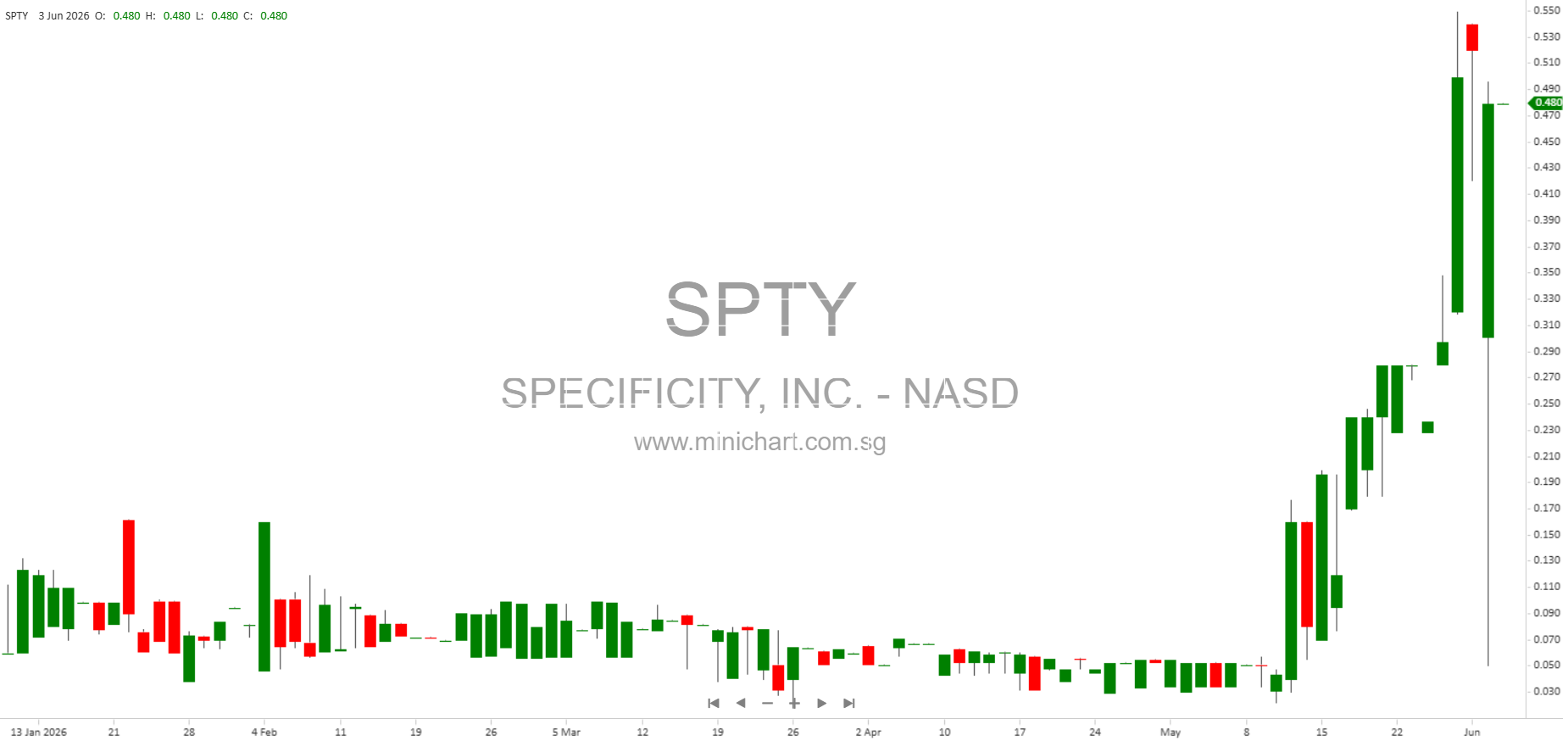
- Share Price Pressure: Ongoing dilution, discounted share issuances, and uncertainty about going concern status may result in share price volatility or decline.
- Regulatory and Litigation Risk: The company is subject to increasing regulatory scrutiny, including advertising restrictions and litigation risk, which could negatively impact revenues.
- Dependence on Key Personnel: The company relies on two key officers (not covered by Key Man insurance). Their loss could result in serious operational disruption and potential loss of shareholder value.
- No Dividend Policy: The company does not anticipate paying dividends in the foreseeable future, retaining all earnings for business development.
Shareholder and Market Sensitive Information
- Restatement and Internal Control Weaknesses: The need to restate financials and the continued material weaknesses are highly price-sensitive, raising concerns about management’s reliability and future compliance.
- Going Concern and Financing Uncertainty: The company’s survival depends on new capital or a dramatic turnaround in revenue generation, neither of which are assured.
- Potential for Significant Dilution: Additional capital raises may dilute existing shareholders, especially if shares are issued at a discount.
- Majority Control: The founder’s super-voting preferred shares mean minority shareholders have little influence over the company’s direction.
Conclusion
Specificity, Inc. faces substantial financial, operational, and governance risks as highlighted in its restated 10-K/A filing. The restatement, ongoing material weaknesses in internal controls, continued operating losses, and the lack of committed future financing create significant uncertainty. These factors are highly material and may affect the company’s share price, investor confidence, and ability to continue as a going concern. Investors should closely monitor further developments, particularly regarding the company’s ability to raise capital, remediate internal control issues, and execute its growth strategy in a competitive and rapidly evolving industry.
Disclaimer: This article is for informational purposes only and does not constitute investment advice. Investors should perform their own due diligence and consult with a financial advisor before making investment decisions. The company’s situation is subject to change, and forward-looking statements involve risks and uncertainties that could cause actual results to differ materially.