Pyxus International, Inc. 2026 Annual Report: Key Insights for Investors
Company Profile and Overview
Pyxus International, Inc. (“Pyxus” or “the Company”) is a global agricultural company with more than 150 years of experience. The Company is a trusted provider of responsibly sourced, sustainable, and traceable agricultural products and ingredients, with a principal focus on leaf tobacco. Pyxus operates through one reportable segment, Leaf, while its “All Other” category comprises less than 1% of consolidated revenues and primarily includes the sale of non-tobacco agricultural products.
Key Financial Highlights
- Significant Debt Load: As of March 31, 2026, Pyxus reported a substantial aggregate principal amount of indebtedness totaling \$932.9 million. The Company’s high leverage is a central risk factor for investors.
- Credit Facilities: Pyxus continues to rely on its ABL (Asset-Based Lending) credit facility for operational liquidity. As of the report date, \$747.3 million remained available for borrowing under its credit facilities, including letters of credit.
- Market Capitalization and Public Float: As of September 30, 2025, the aggregate market value of common stock held by non-affiliates was approximately \$34.6 million. As of May 31, 2026, there were 24,607,791 shares of common stock outstanding.
Key Risks and Potential Price-Sensitive Issues
1. Refinancing and Debt Servicing Risk
The Company faces significant refinancing risk. Management warns that Pyxus may not be able to renew or refinance its senior secured indebtedness, including its ABL credit facility, or obtain alternative financing on similar terms, or at all. Volatility in global credit markets, increased fees and expenses, and potential for higher interest rates could materially impact the Company’s ability to service its debt and, in a worst-case scenario, lead to a default. Such events would likely have a severe negative impact on share value.
2. Access to Capital Markets
Pyxus’s ability to raise short-term and long-term financing is uncertain and depends on several factors—credit ratings, overall market liquidity and volatility, and macroeconomic conditions. If the Company loses access to capital markets or cannot secure financing on favorable terms, it may not be able to fund operations or refinance debt, which would be highly detrimental to shareholders.
3. Debt Service Requirements
The Company’s high debt service obligations require significant cash outflows. A substantial portion of cash flow is dedicated to interest payments, limiting flexibility for working capital, capital expenditures, acquisitions, and overall corporate strategy. Additionally, a large part of Pyxus’s debt bears variable interest rates, exposing the Company to interest rate risk.
4. High Leverage and Competitive Disadvantage
- Makes it more difficult to satisfy debt obligations.
- Reduces financial flexibility and increases vulnerability to market and industry downturns.
- Places Pyxus at a disadvantage relative to less leveraged competitors.
- Limits the ability to pursue strategic acquisitions or business opportunities.
5. Potential for Additional Indebtedness
Despite the current high leverage, Pyxus may incur additional debt in the future. If new debt is added, the risks associated with high leverage—including default, reduced financial flexibility, and increased interest burden—could intensify, further pressuring the share price.
Operational Notes
- Leaf Segment: Remains the Company’s primary business and revenue source.
- All Other Segment: Activities outside the core leaf business remain immaterial to overall revenue and are not expected to drive share price.
Corporate Governance and Compliance
- SEC Compliance: Pyxus is current with all required filings and is not a shell company.
- Reporting Status: The Company is a non-accelerated filer and is classified as a “smaller reporting company.”
- Internal Controls: No auditor attestation of internal controls over financial reporting under Section 404(b) of Sarbanes-Oxley was reported for this period.
Shareholder Information
- No Securities Registered under Section 12(b): Pyxus’s common stock is not registered under Section 12(b) of the Exchange Act.
- Annual Shareholder Meeting: Certain information is incorporated by reference from the Proxy Statement for the 2026 Annual Meeting of Shareholders, scheduled for August 13, 2026.
Summary and Potential Share Price Impact
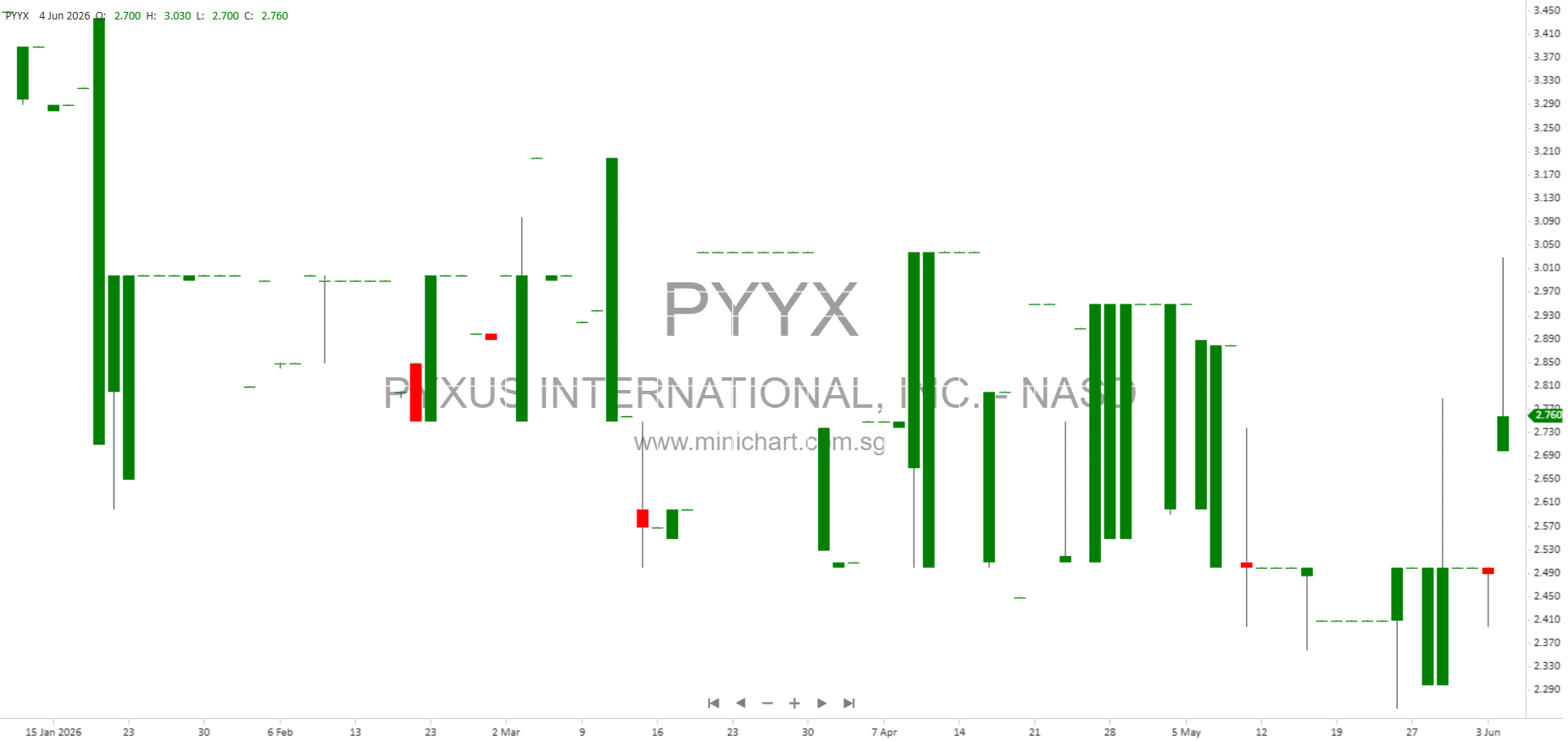
The most price-sensitive issues in this report are Pyxus’s ongoing high debt load, refinancing and interest rate risks, and the possibility of further leveraging. Should the Company be unable to refinance or service its debt, or if market conditions deteriorate, there is a material risk of default, which would have a profound negative impact on the share price. Conversely, successful refinancing or deleveraging could provide a positive catalyst.
Currently, the Company’s small public float and lower market capitalization indicate a potentially volatile share price and limited liquidity for investors.
Disclaimer
This article is for informational purposes only and does not constitute investment advice. Investors should do their own research or consult a professional advisor prior to making investment decisions. The information above is based on Pyxus International, Inc.’s 2026 Annual Report and may be subject to change.