恒顺醋业股份有限公司公布全面关联交易管理制度,强化股东权益保护
【要点综述】
- 恒顺醋业股份有限公司(简称“公司”)正式发布了《关联交易管理制度》,旨在确保公司与关联方进行交易时遵循公平、公正、公开原则,保障公司及中小股东的合法权益。
- 制度细化了关联交易定义、关联方范围、审议和披露流程、回避机制、财务公司金融业务及内部控制等方面,覆盖几乎所有可能影响公司资源与义务转移的事项。
- 对于大额关联交易,需聘请中介机构出具审计或评估报告,并提交股东会审议,重大交易有严格的信息披露与股东投票回避要求,防止利益输送和资金占用。
- 制度对日常交易、委托理财、放弃权利、共同投资、担保等关联行为作出详细安排,列明豁免情形和累计计算原则。
- 特别对财务公司金融业务关联交易设风险评估、持续监督和专门披露要求,强化资金安全和合规管理。
【投资者关注重点】
- 价格敏感事项: 若公司未来发生大额关联交易(如资产收购、出售、投资、财务资助、担保、共同投资等),均须披露细节、聘请第三方评估,并通过独立董事和股东会审议,关联方需回避表决。这将直接影响公司资金流、资产安全、盈利能力,若出现重大关联交易未充分披露或违规操作,将引发监管风险并影响股价。
- 资金安全风险: 公司与关联财务公司进行存贷款等金融业务时,要求严格风险评估、持续披露和资金保全预案,如财务公司出现违规或风险事件,公司资金安全将受到影响,可能导致经营中断或资产损失,从而影响投资者信心和市场表现。
- 日常关联交易与累计计算原则: 日常交易及小额交易若累计达到披露或审议标准,需重新履行程序,这意味着公司可能因多次交易而触发重大信息披露,影响年度业绩及股价波动。
- 管理层与股东责任: 公司董事、高管及持股5%以上股东须及时申报关联变更,独立董事可聘请中介审查,审计委员会每半年查阅关联资金往来。若发现关联方资金占用、违规担保、利益侵占,公司须采取诉讼等措施保护资产,相关风险事件一旦发生将对市场产生重大影响。
- 豁免情形: 部分关联交易如不附义务的无偿受赠、公开发行证券、公开招标等可豁免审议和披露,但若招标拍卖难以形成公允价格则不豁免。
- 制度动态更新: 制度明确如有新法规出台,相关管理办法将自动调整,确保与国家法律合规。
【详细制度内容】
- 关联交易包括资产买卖、投资、借款、担保、租赁、委托管理、赠与、债务重组、研发转让、协议许可、原材料采购、产品销售、劳务、委托销售、共同投资、存贷款等所有涉及资源或义务转移事项。
- 关联方范围涵盖控股股东、实际控制人、董事、高管、持股5%以上股东及其一致行动人、直接或间接控制公司或被公司控制的法人及自然人、关系密切家庭成员等。
- 董事会审议关联交易时,关联董事须回避,非关联董事人数不足3人则必须提交股东会,股东会关联股东须回避投票,表决情况须充分记录。
- 大额交易(关联自然人30万以上,关联法人300万且占净资产0.5%以上,单笔达3000万且占净资产5%以上)需聘请中介评估并提交股东会审议。
- 日常关联交易(原材料采购、产品销售、劳务、委托销售等)可按合同总额或类别预计,履行审议及披露,实际执行超出预计金额时需重新审议。
- 公司不得为控股股东、实际控制人及关联人提供财务资助,除非参股公司其他股东同步按比例提供同等条件。
- 财务公司金融业务须签订金融服务协议,协议须明确交易类型、预计额度、定价、风险措施,每三年重新履行审议和披露。每半年须披露财务公司风险评估和资金安全情况。
- 内部控制要求高管及时申报关联变更,董事会秘书负责更新名单,交易责任人须查阅名单审慎判断是否构成关联交易。审计委员会至少每半年查阅一次资金往来,发现异常须及时报告和处理。
【可能影响股价的风险点】
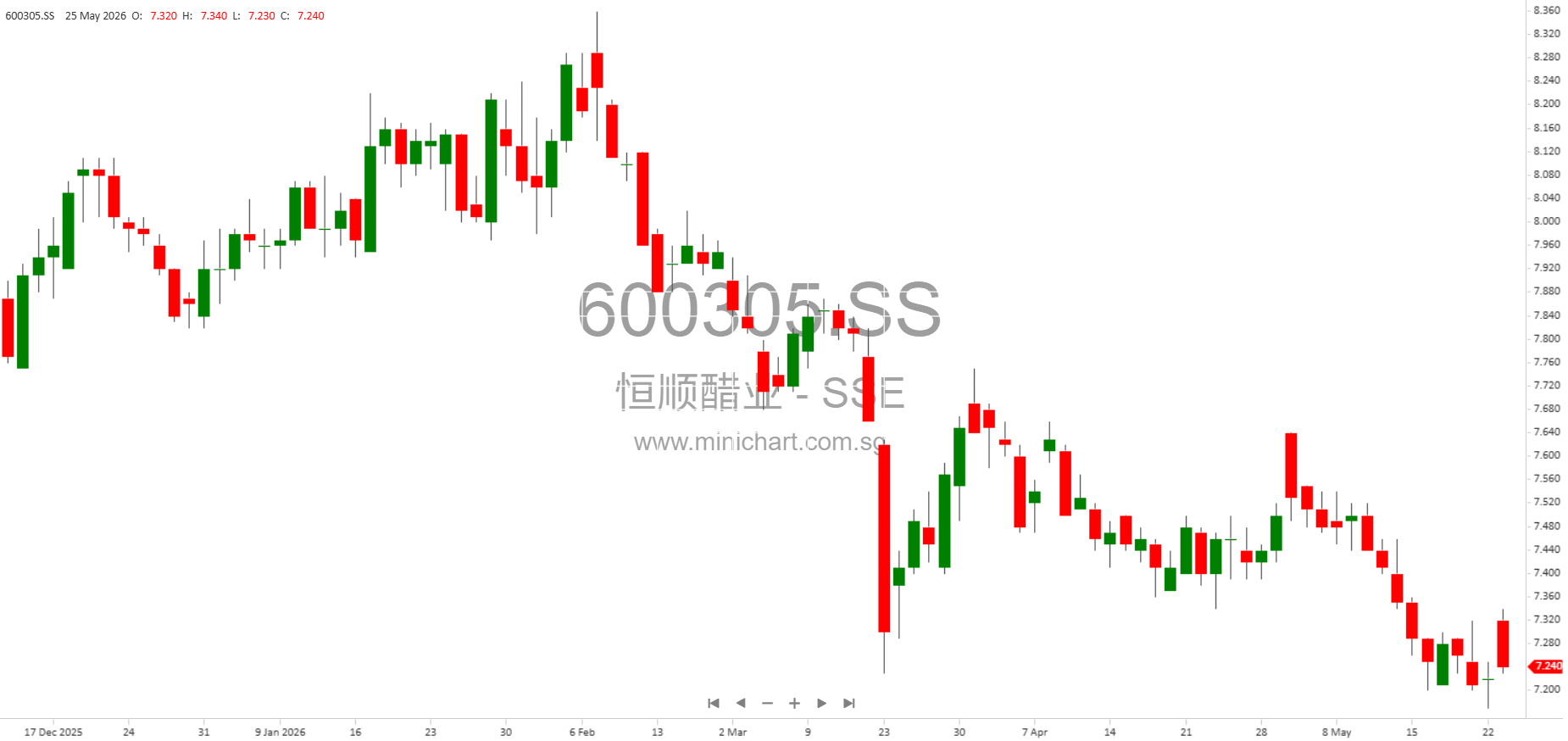
- 若公司未来发生大额关联交易,或财务公司出现资金安全风险,将导致公司业绩波动、资产损失、监管处罚或市场信心下降,直接影响恒顺醋业股价。
- 管理层是否严格执行关联交易制度和信息披露义务,对投资者权益保护和公司治理有重大影响。
- 制度实施后,公司对关联交易监管趋严,有利于提升透明度和治理水平,长期看有助于投资者信心。
免责声明: 本报道仅根据恒顺醋业公司公告及相关管理制度整理,内容不构成投资建议或买卖依据。投资者需自行判断风险,并关注公司后续公告及实际经营情况。
Hengshun Vinegar Co., Ltd. Announces Comprehensive Related Party Transaction Management Measures to Protect Shareholder Interests
Highlights:
- Hengshun Vinegar Co., Ltd. (the “Company”) has issued a detailed “Related Party Transaction Management System” to ensure all company dealings with related parties follow principles of fairness, impartiality, and transparency, safeguarding the interests of the company and minority shareholders.
- The system defines related transactions, related parties, review and disclosure processes, avoidance mechanisms, financial company business, and internal controls, covering almost all matters that may affect resource or obligation transfer.
- Major related transactions require third-party auditing or appraisal and shareholder meeting approval, with strict information disclosure and voting avoidance by related parties, preventing benefit transfer and capital misappropriation.
- Specific arrangements are made for routine transactions, entrusted financial management, rights waivers, joint investments, guarantees, with exemptions and cumulative calculation principles clearly listed.
- Transactions involving related financial companies are subject to risk assessment, ongoing supervision, and special disclosure requirements, strengthening fund security and compliance management.
Investor Focus:
- Price-sensitive matters: Large related transactions (such as asset purchase/sale, investment, financial assistance, guarantee, joint investment, etc.) must be disclosed in detail, appraised by third parties, and approved by independent directors and shareholders, with related parties avoiding the vote. This directly impacts the company’s cash flow, asset security, and profitability. Non-disclosure or violations may trigger regulatory risk and affect the share price.
- Fund security risk: Financial business with related financial companies requires strict risk assessment, continuous disclosure, and fund protection plans. If a financial company encounters compliance or risk events, company funds may be at risk, possibly disrupting operations or causing asset losses, affecting investor confidence and market performance.
- Routine related transactions & cumulative principle: Multiple small transactions may trigger review and disclosure requirements if they cumulatively reach thresholds, impacting annual results and share price volatility.
- Management & shareholder responsibility: Directors, executives, and shareholders holding over 5% must promptly report related changes; independent directors can engage intermediaries for review. The audit committee must review related fund flows every six months; if misappropriation or improper guarantee is found, the company must take legal action to protect assets. Relevant risk incidents can have significant market impact.
- Exemption scenarios: Some related transactions, such as unconditional asset gifts, public security issuance, or open bidding (except where fair pricing is not possible), are exempt from review and disclosure.
- Dynamic updates: The system will automatically adjust for new legal or regulatory changes, ensuring ongoing compliance.
Key System Content:
- Related transactions include asset buy/sell, investment, borrowing, guarantee, leasing, entrusted management, gift, debt restructuring, R&D transfer, agreement licensing, raw material procurement, product sales, labor services, entrusted sales, joint investment, deposits/loans, and any resource or obligation transfer.
- Related parties include controlling shareholders, actual controllers, directors, executives, shareholders holding over 5%, their concerted parties, directly or indirectly controlled or controlling entities and individuals, and close family members.
- Board review of related transactions requires avoidance by related directors; if fewer than three non-related directors attend, the matter must go to shareholders. Related shareholders must avoid voting, and their votes are fully recorded.
- Major transactions (30,000 RMB+ for individuals; 3 million RMB+ and over 0.5% of net assets for entities; single transaction 30 million RMB+ and over 5% of net assets) require third-party appraisal and shareholder approval.
- Routine related transactions may use contract totals or category estimates for review and disclosure; exceeding estimates requires re-approval.
- The company may not provide financial assistance to controlling shareholders or related persons except for joint funding with other shareholders on equal terms.
- Financial company business must be governed by written agreements specifying transaction types, anticipated amounts, pricing, risk measures, and three-year reviews. Biannual disclosures of financial company risk assessments and fund security status are required.
- Internal control obligates management to update related party lists, review transactions, and audit committee to check fund flows every six months, reporting and acting on anomalies.
Potential Share Price Impact:
- Future large related transactions or financial company fund security risks may cause performance volatility, asset losses, regulatory penalties, or loss of market confidence, directly affecting Hengshun Vinegar’s share price.
- Strict enforcement of related transaction procedures and disclosure is crucial for investor protection and corporate governance.
- System implementation will strengthen transparency and governance, supporting investor confidence in the long term.
Disclaimer: This article is compiled from Hengshun Vinegar’s official announcement and management system. It does not constitute investment advice or trading recommendation. Investors should assess risks independently and follow subsequent company disclosures and actual business developments.