Sri Trang Agro-Industry (STA): 1Q2026 Financial Review and Investment Perspective
Sri Trang Agro-Industry Public Company Limited (STA) presented its 1Q2026 results in a comprehensive investor update. STA is a leading, fully integrated natural rubber and glove producer with significant presence across Asia and Africa, and a growing focus on traceability, sustainability, and energy efficiency.
Key Financial Metrics
| Metric | 1Q26 | 4Q25 | 1Q25 | YoY Change | QoQ Change |
|---|---|---|---|---|---|
| Revenue (THB million) | 26,841.8 | 26,677.4 | 34,385.1 | -21.9% | +0.6% |
| Net Profit (THB million) | 645.4 | (1,265.7) | 688.7 | -6.3% | NM* |
| EBITDA (THB million) | 2,369.3 | 581.6 | 2,370.1 | 0.0% | +307.4% |
| Gross Profit Margin (%) | 9.6% | 6.4% | 9.1% | +0.5pp | +3.2pp |
| Gloves Sales Volume (mn pcs) | 9,159 | 8,759 | 9,191 | -0.4% | +4.6% |
| Natural Rubber Sales Volume (tons) | 341,786 | 361,546 | 396,955 | -13.9% | -5.5% |
| Glove ASP (USD/1,000 pcs) | 18.98 | 18.63 | 20.87 | -9.1% | +1.9% |
*NM: Not meaningful, as previous quarter was negative.
Historical Performance Trends
- Revenue: STA’s quarterly revenue in 1Q26 was slightly up from 4Q25 (+0.6%), but down sharply YoY (-21.9%).
- Net Profit: STA returned to profitability in 1Q26 (THB 645.4m) after a significant loss in 4Q25, but net profit was slightly lower than in 1Q25 (-6.3% YoY).
- EBITDA: EBITDA was stable YoY, but up substantially QoQ, reflecting a recovery in operational performance.
- Gross Profit Margin: Margins improved QoQ, reflecting better cost management and improved operating leverage as the company’s green energy investments began to pay off.
- Glove and Rubber Volumes: Glove volumes rose QoQ despite marginal YoY decline; natural rubber volumes declined on both bases, reflecting industry supply/demand dynamics.
Exceptional Earnings/Expenses
- STA reported significant other income in 1Q26 compared to 4Q25 (+170.9%), and a positive swing in FX gains. However, YoY, other income and FX gains were volatile, indicating exposure to macro and currency risks.
- Operating profit margins improved QoQ due to higher gross profit and a turnaround from losses in the prior quarter.
Macroeconomic and Industry Shifts
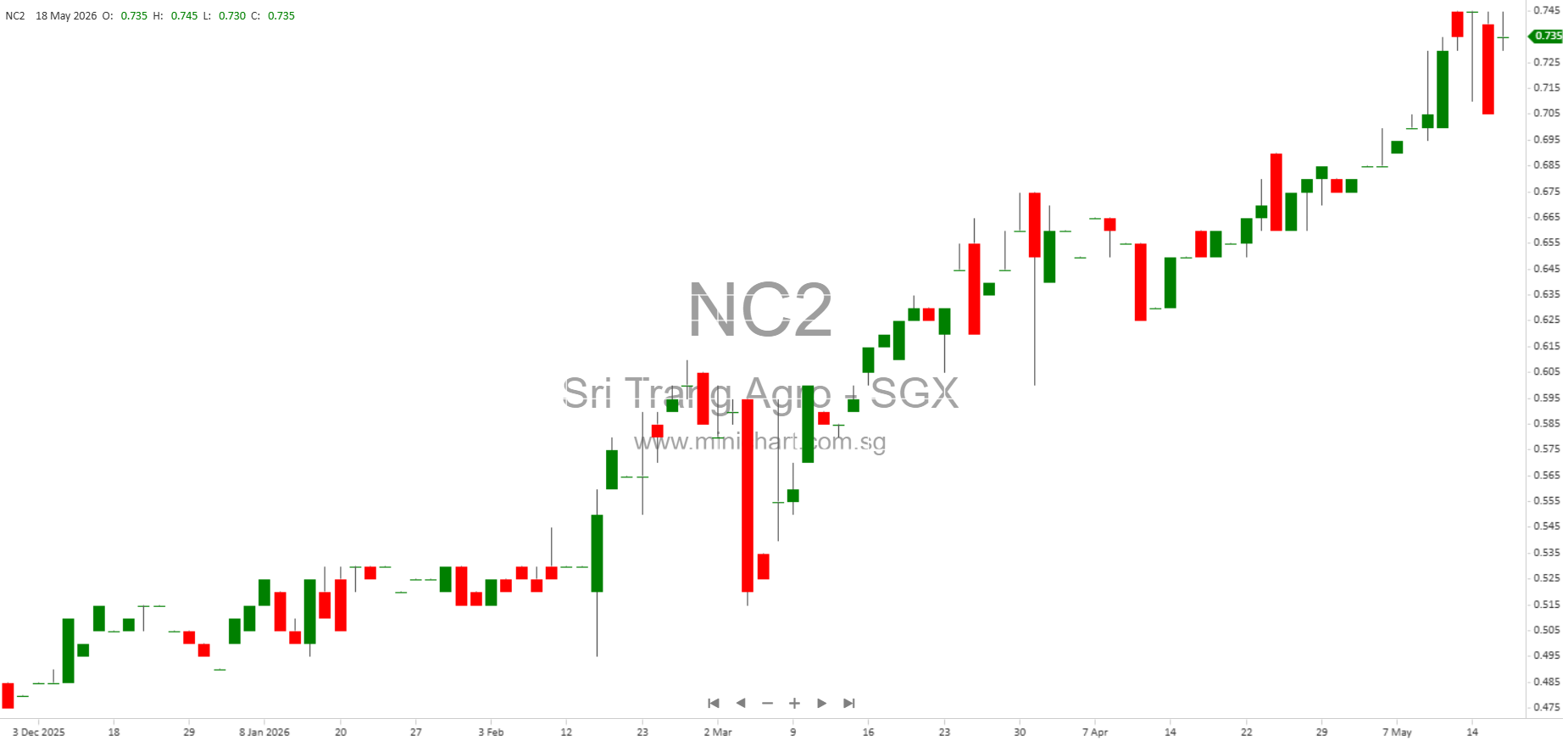
- Rubber Prices: The report highlighted a 10-year high in natural rubber prices, driven by supply constraints, Indonesia’s lower-than-expected output, and a shift in demand from synthetic to natural rubber as synthetic prices spiked following Middle East conflicts.
- Cost Pressures: Despite a 70% increase in diesel prices since the Iran conflict, STA has mitigated the impact through expanded use of biomass and solar energy, reducing energy costs by 42% in 2025.
- Supply Outlook: Global natural rubber supply is expected to lag demand for a fifth consecutive year. Thai output is down, especially in the South, but rising in other regions. Farmer preference is shifting to oil palm due to better earnings, constraining rubber supply further.
- Auto Sector Demand: Demand for truck and off-the-road (OTR) tires is rising, especially with electric vehicle (EV) growth, which typically requires more natural rubber per unit than traditional vehicles.
Events That Could Significantly Affect the Business
- Geopolitical Risks: The Iran conflict led to higher synthetic rubber and energy costs, but also boosted demand for natural rubber. The company appears to have weathered these shocks well so far.
- Sustainability Regulation: The EU Deforestation Regulation (EUDR) enforcement was postponed by a year, giving STA more time to prepare. STA’s investment in traceability and sustainability positions it to benefit from regulatory changes.
- Green Energy Transition: Large-scale investment in solar and biomass energy has reduced cost volatility and improved margins, making STA less sensitive to spikes in fossil fuel prices.
Asset Revaluation or Delays
No explicit mention of asset revaluation or delays was found in the report.
Dividends
No information on dividend proposals or payouts was disclosed in this report.
Directors’ Pay/Remuneration
No information on directors’ remuneration was provided in this report.
Share Buybacks, Dilution, Placements, Mandates
No mention of share buybacks, new share issues, or capital raising was found in the report.
Summary and Outlook
STA’s 1Q2026 results mark a return to profitability after a difficult end to 2025, with stabilizing revenues and improved operational performance. The company is navigating a challenging macroeconomic and industry backdrop, with higher raw material and energy costs, but is mitigating these via aggressive investment in renewable energy and process automation. The global natural rubber market remains tight, supporting prices, but volume growth is constrained by supply-side pressures and competition from more profitable crops like oil palm.
STA’s strategic focus on traceability, EUDR compliance, and sustainability is likely to position it well amidst evolving global regulatory demands. The company’s cost management, especially in energy, is a competitive advantage given current volatility in fuel prices. However, YoY declines in revenue and sales volume highlight ongoing challenges in demand, especially from China, and the risk of further macro shocks.
Investment Recommendations
- If you currently hold STA shares:
- The company’s fundamentals are stabilizing, and the outlook for natural rubber prices remains supportive. Cost controls and sustainability initiatives are bearing fruit. Hold positions, but monitor for further improvements in sales volumes and margin resilience as the year progresses.
- If you do not currently hold STA shares:
- Consider accumulating on weakness if you seek exposure to a leading, integrated natural rubber and glove producer with a strong ESG profile. However, be mindful of ongoing volume pressures and global macro risks. Entry should be staggered and sized conservatively until revenue growth resumes more clearly.
Disclaimer: This article is based strictly on information contained in the company’s official disclosures as of 1Q2026. It does not constitute investment advice. Please conduct your own due diligence and consider your risk tolerance before taking investment action.