Serial System Ltd Responds to Investor Questions Ahead of 2026 AGM
Serial System Ltd has released its responses to questions from the Securities Investors Association (Singapore) ahead of its Annual General Meeting scheduled for 30 April 2026. The company’s responses cover a range of topics including regulatory compliance, revenue growth, profitability strategies, capital structure, exposure to artificial intelligence (AI) sectors, working capital management, and shareholder value creation.
Key Highlights for Investors
- Revenue Growth: The Group reported a 9% increase in revenue to US\$860.5 million in FY2025, driven primarily by robust demand for electronic components in Hong Kong and China. Growth was noted across mobile devices, household appliances, automotive, computing, and AI-related applications.
- Regulatory and Compliance Oversight: Serial System has implemented a structured compliance framework using the AEB platform, integrated with ERP, CRM, and logistics systems. This automates sanctions screening, export classification, and license assessments. Transactions flagged for potential restrictions are blocked, with audit trails maintained for traceability. The Board regularly reviews compliance performance, while management handles day-to-day monitoring and escalates significant matters.
- AI-Related Demand: Although the Group does not disclose a detailed breakdown of AI-related sales due to commercial sensitivity, management confirms that AI applications contributed positively to FY2025 revenue growth in Hong Kong and China. The company expects continued strong demand in this segment, which is a focus area for future growth.
- Geopolitical Risks: The Group has not experienced material direct impacts from Middle East geopolitical developments, as its supply chains are primarily Asia-based. However, management is vigilant regarding indirect risks such as increased freight and insurance costs, and logistics volatility. No adverse impacts on customer demand or pricing have been observed to date, but the situation is being closely monitored.
- Profitability Strategy: Net profit margin stood at a modest 0.27% for FY2025. Management aims to improve profitability through revenue mix optimisation, focusing on higher-growth and higher-margin segments like AI, cloud, EVs, renewable energy, and advanced technology. Operational efficiency, prudent inventory/credit management, and disciplined cost control remain central to the strategy.
- Leverage and Capital Structure: The net gearing ratio increased to 1.20 times, with borrowings rising by US\$33 million to US\$205 million and net debt at US\$168 million. Current liabilities grew to US\$293 million, but current assets increased to US\$379 million, improving the current ratio to 1.30 times. Excluding lease liabilities, net gearing would have been 1.07 times. The Group’s target is to keep net gearing below 150%.
- AI Sector Bubble Concerns: The Board acknowledges heightened interest in AI-related sectors but maintains that the Group’s investments are driven by customer demand and business fundamentals, not speculation. Opportunities are evaluated based on commercial viability, cash flow, and balance sheet capacity, with diversification across the portfolio.
- Working Capital Management: Trade payables days increased to 38 days in FY2025, from around 30 days previously. This is attributed to higher procurement volumes and longer supplier credit terms, reflecting normalised conditions post-COVID. Management asserts this does not indicate payment difficulties.
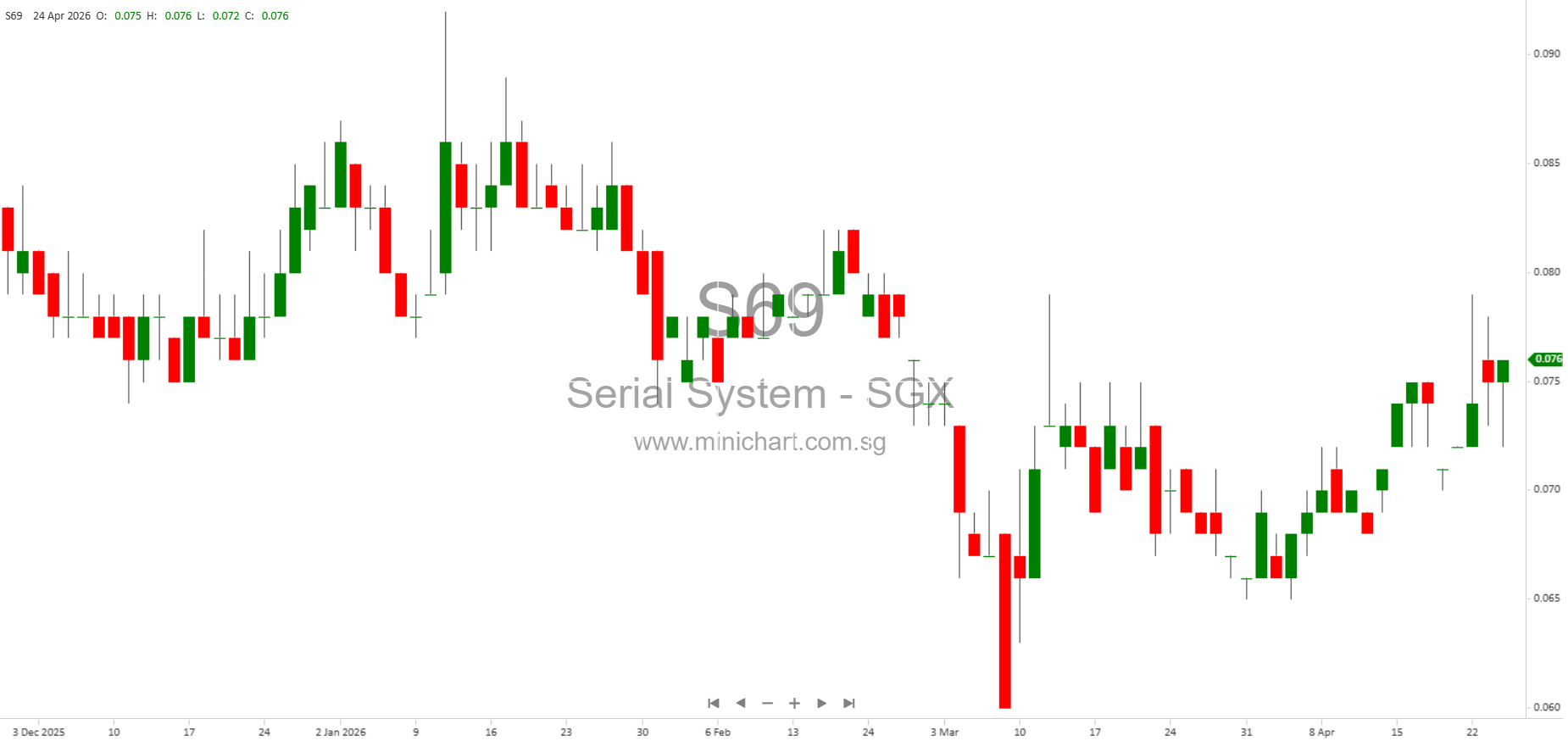
- Valuation and Shareholder Returns: The company trades at a significant discount (>60%) to its book value, which the Board attributes to its distribution business model, margin profile, share liquidity, sector sentiment, and broader market conditions. Actions to narrow this gap include improving profitability, strengthening cash flow, maintaining balance sheet discipline, and focusing on higher-value segments.
- Capital Management Options: The Board regularly reviews options such as dividends, share buybacks, asset monetisation, and portfolio optimisation. While dividends were reinstated in FY2025 (0.11 cent per share), the Board prioritises financial flexibility and will pursue these measures when commercially justified and in shareholders’ interests.
Potential Price-Sensitive Information
- Strong AI Demand: Continued focus and positive contribution from AI-related applications may bolster revenue and profitability, supporting share price.
- High Leverage: The increased net gearing ratio and borrowings could raise concerns regarding financial risk, particularly if market conditions deteriorate.
- Valuation Discount: Persistent discount to book value, alongside ongoing efforts to improve profitability and capital management, could influence investor sentiment and future share price movements.
- Dividend Policy: The reinstatement of dividends, albeit modest, signals improved financial stability and shareholder returns, potentially impacting share valuation.
- Capital Management Actions: Possible share buybacks, asset sales, or portfolio restructuring could unlock value and drive share price changes if implemented.
What Investors Should Watch
- Ongoing developments in AI-related segments and management’s ability to capture profitable growth.
- Monitoring of leverage and liquidity, especially in the context of market cycles and global economic uncertainty.
- Board’s approach to narrowing the valuation gap and potential capital management actions that could enhance shareholder value.
- Any further updates on dividend policy or asset monetisation that may be price-sensitive.
Disclaimer
This article is for informational purposes only and does not constitute investment advice or a recommendation to buy or sell any securities. Investors should conduct their own research and consult professional advisors before making investment decisions. The information is based on official company disclosures as at 24 April 2026 and may be subject to change.