Goldwind Science & Technology Co., Ltd. Annual Report 2025: Key Insights for Investors
Strong Financial Performance in 2025
- Operating Revenue: Goldwind achieved an operating revenue of RMB 72.78 billion for the year ended 31 December 2025, representing robust business activity.
- Net Profit: Net profit attributable to owners was RMB 2.77 billion, with basic earnings per share of RMB 0.64. This marks a significant profit growth compared to the previous year.
- Profitability: Sales margin attributable to owners was 3.81%, up from 3.29%, and the weighted average return on net assets rose notably to 7.08% from 4.91%.
- Comprehensive Income: Total comprehensive income reached RMB 3.1 billion, with owners’ share at RMB 2.86 billion, reflecting improved profitability and operational efficiency.
Dividend Policy and Shareholder Returns
- Three-Year Shareholder Return Plan: Goldwind’s Board reaffirmed its commitment to a progressive dividend policy for 2024-2026. Cash dividends remain the preferred method, with payout ratios depending on the company’s growth and capital expenditure plans:
- Mature Stage, No Major Capex: At least 80% of profit as cash dividends.
- Mature Stage, Major Capex: At least 40% as cash dividends.
- Growth Stage, Major Capex: At least 30% as cash dividends.
- 2025 Dividend Proposal: The Board proposed a cash dividend of RMB 2.0 per 10 shares (tax included), totaling RMB 844.76 million, subject to approval at the AGM. This demonstrates the company’s strong cash flow and focus on shareholder returns.
Strategic Developments and Business Segments
- Core Business: Wind Turbine Generator (WTG) manufacturing remains the core revenue driver. The company is also expanding into wind power services, wind farm investment and development, water treatment, green methanol, hybrid towers, energy storage, and carbon-related businesses, diversifying its revenue streams.
- Key Customers and Suppliers: The top five customers accounted for 29.37% of revenue, with the largest single customer at 7.22%. On the supplier side, the top five represented 33.57% of procurement, highlighting some customer and supplier concentration risks.
Share Incentive Scheme and Talent Retention
- 2024 Restricted A Share Incentive Scheme: Approved and launched to attract, retain, and incentivize key talent, aligning management and shareholder interests. Up to 42.25 million restricted A shares (1% of share capital) are available, with 39.4 million already granted at RMB 4.09 per share (market price RMB 10.81 at grant).
- Performance Conditions: Unlocking is strictly tied to multi-year profit and revenue growth targets (e.g., cumulative net profit growth of at least 85% by 2026 vs. 2023). Failure to meet targets results in repurchase and cancellation of restricted shares, ensuring accountability and performance alignment.
Capital Structure, Debt, and Green Financing
- Gearing Ratio: The group’s gearing ratio remains high at 63.78%, indicating significant leverage but within industry norms for capital-intensive wind power players. Net debt stood at RMB 76.48 billion.
- Green Technology Innovation Bonds: In 2025, Goldwind issued RMB 2.5 billion in green bonds (September: RMB 500 million; October: RMB 1 billion; November: RMB 1 billion). These are accounted as equity instruments, not financial liabilities, reflecting confidence in the company’s long-term project pipeline and access to sustainable financing.
Risk Factors and Mitigation
- Policy and Regulatory Risk: The wind power sector’s fortunes are closely tied to government policy, market mechanisms, and industry standards. Any significant regulatory change could affect market demand and pricing.
- Market Competition: Intensifying competition from both domestic and international players, amid China’s “carbon neutrality” drive, poses margin and market share pressures.
- Currency and Economic Volatility: With substantial overseas operations, Goldwind is exposed to USD, AUD, and other currency fluctuations. Exchange rate movements could impact reported earnings.
- Mitigation Measures: The company pursues product innovation, cost reduction, and supply chain optimization. It also uses financial derivatives for currency and price risk hedging.
Corporate Governance and Compliance
- Strong Board Oversight: A full suite of board committees (Audit, Remuneration, Nomination, Strategy) are in place, with ongoing training and compliance with Hong Kong and PRC listing rules.
- Shareholder Rights: Shareholders holding over 10% may propose EGMs; over 1% may submit meeting proposals.
- Whistleblowing and Anti-Corruption Policies: Procedures are in place for reporting improprieties and corruption, supporting robust internal controls.
- Risk Management and Internal Control: The company operates a comprehensive risk and internal control framework, with annual reviews and prompt remediation of identified deficiencies.
Share Repurchases and Equity Interests
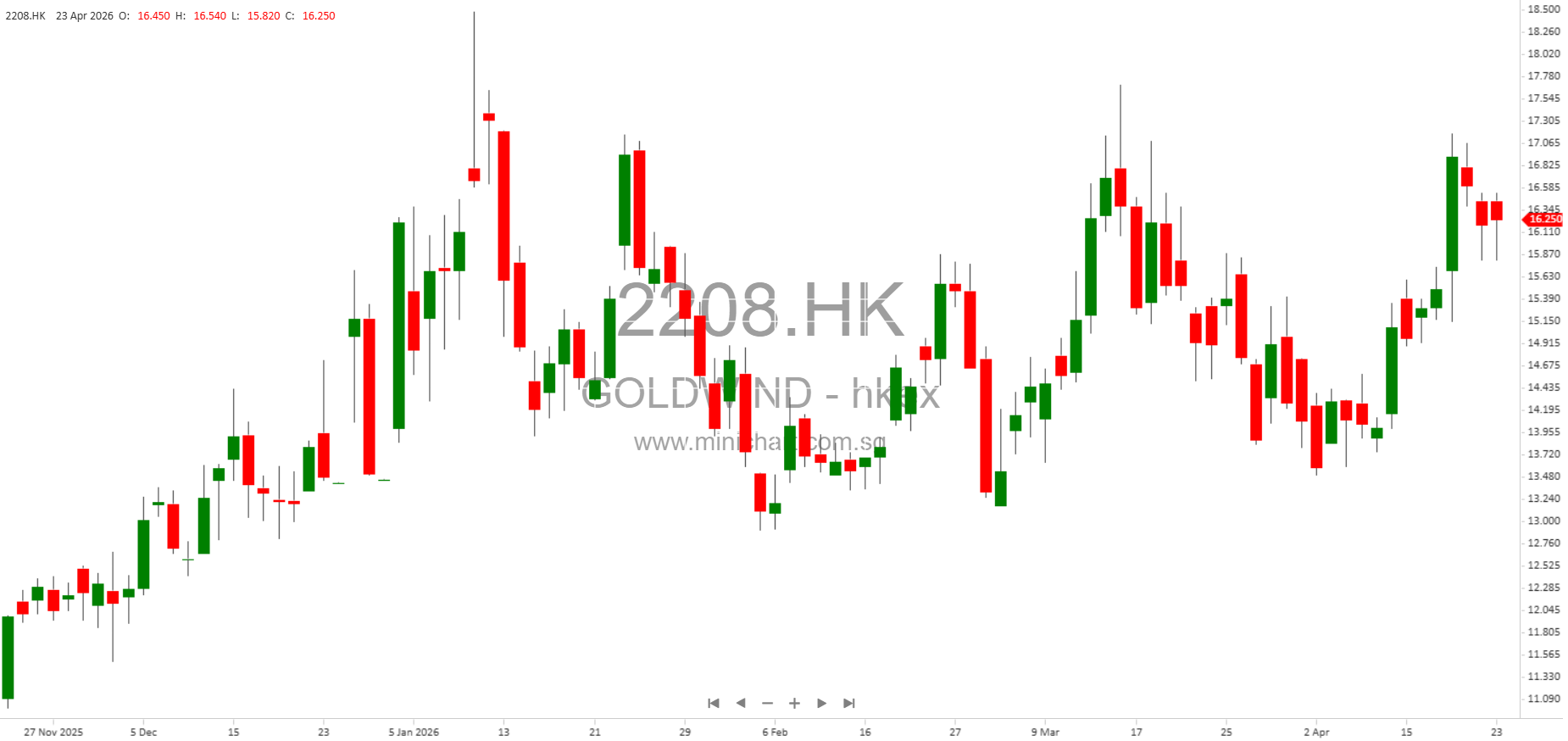
- H-Share Buybacks: In January 2026, Goldwind repurchased 10,000 H shares at HKD 14.50-14.51 per share, held as treasury shares. The company may further utilize treasury shares based on market conditions and capital needs.
- Director Shareholdings: Major insider holdings include Mr. Wu Gang (1.81% of A shares), Mr. Cao Zhigang (0.37%), and Ms. Yu Ning (0.0023%). No other directors or chief executive reported significant holdings or rights to acquire shares.
Other Notable Developments
- IFRS 18 Implementation: Goldwind will transition to IFRS 18 for financial reporting by 2027, expected to affect financial statement presentation but not substantive performance or position.
- No Material Acquisitions/Disposals: No major M&A activity occurred during 2025. The company’s strategy remains focused on organic growth and technology leadership.
- Investor Relations: Active investor engagement, including results conferences, roadshows, and direct communication via multiple channels, supports transparency and market confidence.
Potential Share Price Drivers
- Strong Earnings Growth and consistent dividend policy may improve investor sentiment and support the share price.
- Green Bond Issuance signals continued access to sustainable capital, possibly reducing future financing risk and attracting ESG-focused investors.
- Intense Market Competition and Regulatory Uncertainty are key risks to monitor; adverse developments could weigh on valuation.
- Currency Fluctuations remain a risk due to significant overseas operations and may impact future reported earnings.
- Share Repurchases can provide technical support to the share price and signal management confidence.
- Performance-Linked Incentive Scheme aligns management with shareholder interests but also penalizes underperformance, which could introduce volatility in senior management stability if targets are missed.
Disclaimer
This article is for informational purposes only and does not constitute investment advice or a recommendation to buy or sell any securities. Investors should conduct their own due diligence and consult with professional advisors before making investment decisions. The content herein is based on the company’s 2025 annual report and may be subject to change or interpretation. Past performance is not indicative of future results.