Sino Biopharmaceutical Achieves Key Regulatory Milestone: Benmelstobart and Anlotinib Combination Approved in China for Advanced Alveolar Soft Part Sarcoma
Summary of Announcement
Sino Biopharmaceutical Limited (“SBP” or the “Company”, Stock Code: 1177) has announced a major regulatory achievement: the National Medical Products Administration (NMPA) of China has approved the combination therapy of Benmelstobart (an anti-PD-L1 monoclonal antibody) and Anlotinib (a multi-targeted tyrosine kinase inhibitor) for the treatment of advanced or unresectable alveolar soft part sarcoma (ASPS). This approval is a significant milestone for the Company’s pipeline and its subsidiary, Chia Tai Tianqing Pharmaceutical Group Co., Ltd. (“CTTQ”), as both Benmelstobart and Anlotinib are independently developed, category 1 innovative drugs.
Key Highlights for Investors
- New Indication Approval: This marks the fourth approved indication for the Benmelstobart + Anlotinib combination therapy in China, following previous approvals for first-line small cell lung cancer, second-line or later endometrial cancer, and first-line renal cell carcinoma.
- Expansion of Drug Portfolio: Benmelstobart now has five approved indications, and Anlotinib has reached its eleventh, underscoring the Group’s innovative capabilities and broadening revenue opportunities.
- Clinical Data Supports Approval: The approval was granted based on robust results from the TQB2450-Ib-02 clinical study. Key data highlights include:
- Objective Response Rate (ORR): 72.41%
- Complete Response (CR) Rate: 10.34%
- No significant impact of prior chemotherapy on ORR
- No new safety signals observed
- Median follow-up: 24.9 months, with median progression-free survival (PFS) not yet reached
- Market Opportunity: ASPS is a rare, highly metastatic soft tissue cancer with limited effective treatment options and poor prognosis. It primarily affects adolescents, accounts for 0.5%-1.0% of soft tissue sarcomas, and has a high recurrence rate (up to 70%) with a 5-year overall survival rate of just 20%-46%.
- First-Line Treatment Recognition: Anlotinib is already recommended as a first-line therapy for advanced ASPS in the 2024 CSCO guidelines, and the addition of Benmelstobart provides a valuable new treatment option for this patient population.
Potential Price-Sensitive Implications for Shareholders
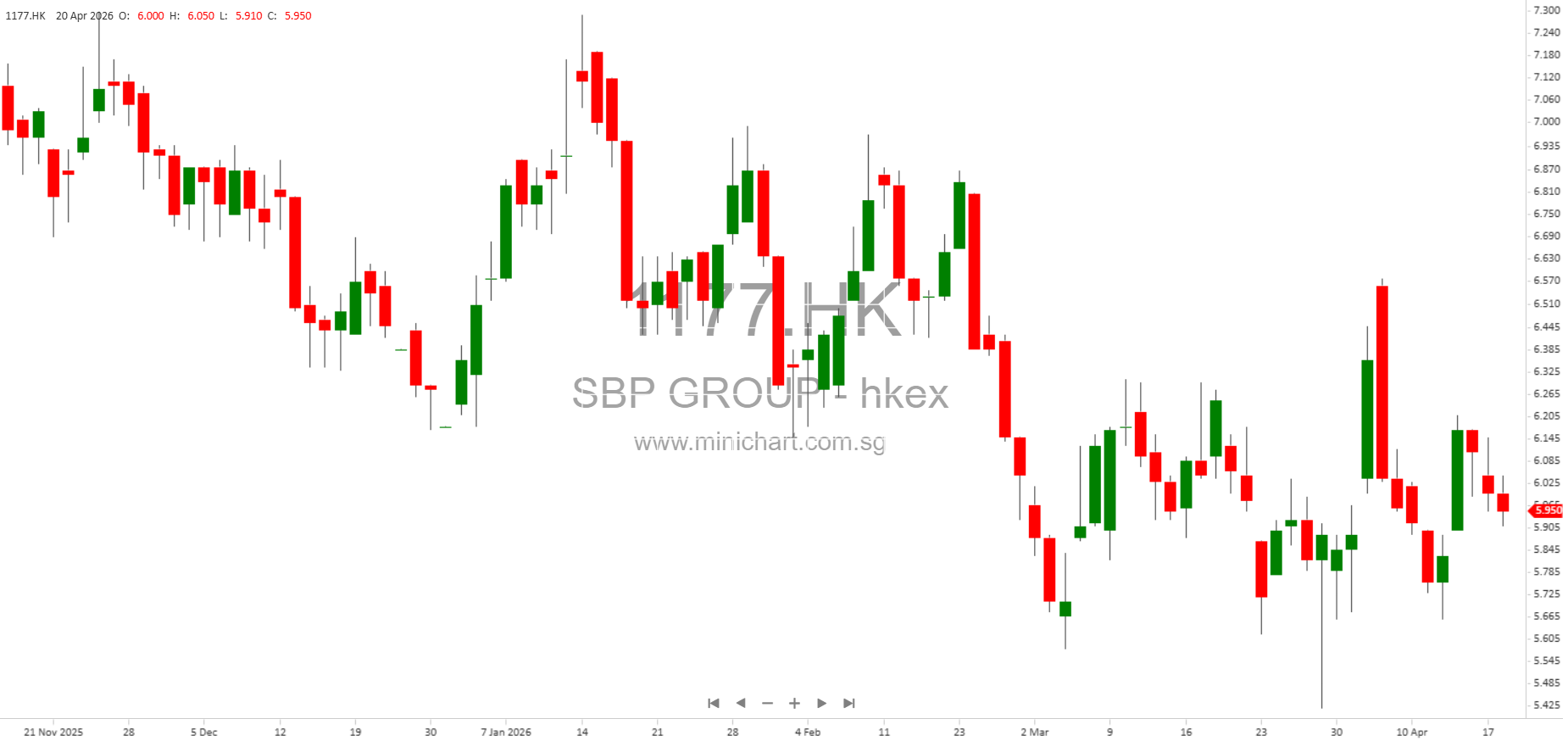
- Revenue Upside: The new approval expands the addressable market for both Benmelstobart and Anlotinib, potentially driving future sales growth in a rare disease segment with significant unmet medical need.
- Pipeline Validation: Multiple successful approvals for both drugs validate Sino Biopharmaceutical’s drug development capabilities and could enhance investor confidence in ongoing and future R&D efforts.
- Competitive Positioning: The approval positions SBP as a leader in innovative oncology therapies in China, particularly in rare cancers where competition is limited.
- Regulatory Momentum: The Company’s ability to achieve repeated NMPA approvals demonstrates strong regulatory engagement, which may positively influence market sentiment and share valuation.
Other Important Corporate Details
- Board Composition: The Board of SBP consists of six executive directors and five independent non-executive directors, ensuring a balance of oversight and management experience.
- Announcement Date: The regulatory approval was announced on 20 April 2026.
Conclusion
This NMPA approval for Benmelstobart and Anlotinib in advanced ASPS represents a material development for Sino Biopharmaceutical, strengthening its oncology portfolio and opening new revenue channels in a high-need, low-competition therapeutic area. The robust clinical data and expansion into rare cancer markets make this announcement potentially price-sensitive and of significant interest to existing and prospective shareholders.
Disclaimer: This article is for informational purposes only and does not constitute investment advice. Investors should conduct their own research or consult their financial advisor before making investment decisions. The author assumes no responsibility or liability for any errors or omissions in the content.