FRP Holdings, Inc. Releases 2025 Annual Report: Key Insights for Investors
Overview
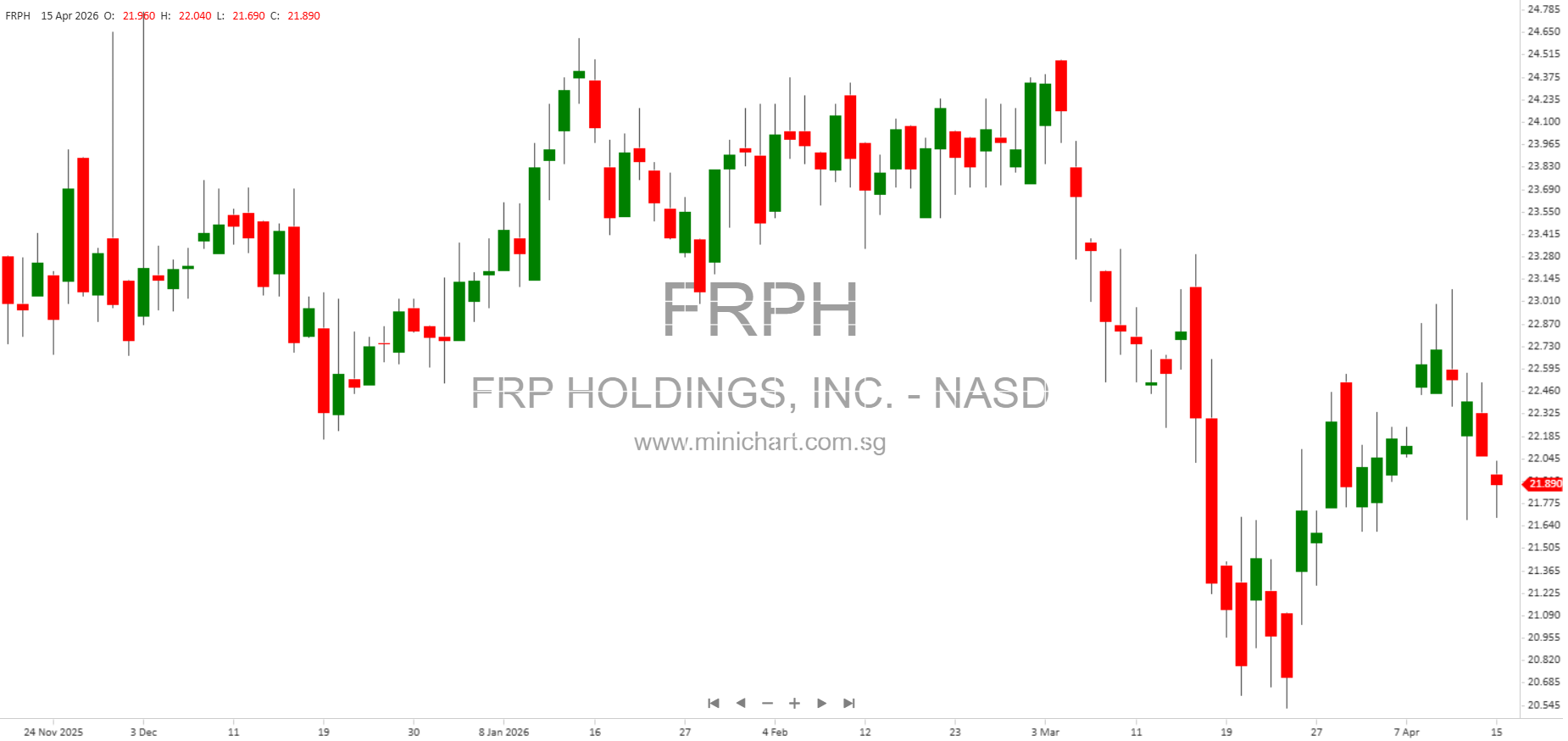
FRP Holdings, Inc. (“FRP” or “the Company”) has released its 2025 Annual Report, providing investors with a comprehensive look at its operations, financial position, and outlook. The company, headquartered in Jacksonville, FL, is engaged primarily through its wholly-owned subsidiaries and joint ventures in real estate development, property leasing, and mining royalty lands. Its common stock is traded on the NASDAQ under the symbol FRPH.
Key Highlights from the 2025 Annual Report
- Outstanding Shares and Market Value: As of April 14, 2026, FRP had 19,169,835 shares of common stock outstanding. The aggregate market value of shares held by non-affiliates as of June 30, 2025, was \$390,316,985, indicating a substantial public float and liquidity in the shares.
- Dividend Policy: The company has not paid cash dividends in the past and maintains a policy of retaining earnings, which may impact income-oriented investors. There are also restrictions on the payment of cash dividends, further supporting the continued retention of earnings.
- Share Buyback Program: FRP’s Board of Directors has authorized multiple increases to its stock repurchase program, reflecting ongoing efforts to return value to shareholders. Since 2015, authorizations have grown substantially, with recent increments of \$10 million in 2018, 2019, and 2020. The most recent authorization on August 26, 2020, added another \$10 million. This program may support the share price by reducing the number of outstanding shares.
Major Risk Factors
- Macroeconomic Pressures: FRP has experienced and may continue to experience significant headwinds from elevated interest rates, inflation, supply chain disruptions, and increased costs for labor, insurance, and raw materials. These factors have already impacted operating costs and borrowing expenses, and could further affect profitability and financing for new projects.
- Competitive Market: The company operates in highly competitive segments including apartments, retail, flexible warehouse, and office space. Price competition from other developers and landlords could pressure rental rates and occupancy, directly affecting revenue and cash flow.
- Debt and Liquidity Risks: FRP’s cash flows may not always be sufficient to meet required principal and interest payments. The company faces risks of refinancing on less favorable terms, potential default, or the need to dispose of assets under disadvantageous conditions. Variable interest rates on unsecured and secured lines of credit further increase financial risk.
- Real Estate Market Risks: Capitalization rates, property values, and the availability and cost of financing are all subject to market fluctuations. Adverse changes could negatively affect project economics and asset values.
- Concentration and Control: A significant percentage of FRP’s common stock is controlled by Executive Chairman John D. Baker II and his family, who collectively hold approximately 16.9% of outstanding shares. This concentration gives them substantial influence over corporate decisions, including outcomes of shareholder votes.
- Corporate Governance Provisions: FRP’s articles of incorporation and bylaws, along with Florida law, include provisions that could delay or prevent takeovers, even if considered beneficial by some shareholders. These include restrictions on the removal of directors, the ability to call special meetings, and the issuance of preferred stock.
- Regulatory and Environmental Risks: The company periodically incurs costs for environmental investigation and remediation, particularly relating to its development segment and mining leases. Lessees are generally responsible for environmental liabilities under mining leases.
- Event Risks: Unexpected events such as public health crises, natural disasters, geopolitical conflicts, and civil unrest could disrupt operations, increase costs, and impact financial performance.
- Institutional Investor Focus on ESG: There is increased scrutiny from institutional investors regarding environmental, social, and governance (ESG) practices. Failure to demonstrate commitment to these issues could deter institutional investment and put downward pressure on the stock price.
- Internal Controls: Management reports that internal controls over financial reporting are effective as of December 31, 2025. There were no material changes in internal control over financial reporting in the fourth quarter of 2025. However, no absolute assurance can be provided due to inherent limitations of internal controls.
- Liquidity Constraints: Real estate assets are inherently illiquid, limiting the company’s flexibility to react to market changes and potentially affecting profitability under adverse conditions.
Other Notable Information
- Legal Proceedings: The company reports no material legal proceedings or mine safety disclosures for 2025, suggesting no pending litigation or regulatory actions that could negatively impact results.
- Mining Royalty Lands: The company’s mining leases do not require tenants to furnish certain technical reports, and FRP provides disclosures based on available information as permitted under SEC rules. The mining segment continues to contribute to overall performance.
- Cybersecurity: FRP details its cybersecurity risk management processes and references further information in the risk factors section of the report.
- Financial Code of Ethical Conduct: FRP has adopted and disclosed a Financial Code of Ethical Conduct applicable to its senior financial officers, further supporting its corporate governance framework.
Potential Share Price Impacts and Shareholder Considerations
- Share Buybacks: The ongoing share repurchase program could provide support for the share price or enhance per-share metrics.
- Dividend Policy: The continued lack of dividends may disappoint income-seeking investors and could be a drag on valuation relative to peers that pay dividends.
- Concentration of Voting Power: The significant influence of the Baker family and anti-takeover provisions might deter activist investors or acquirers, but could also provide strategic stability.
- Exposure to Economic and Market Risks: Persistent inflation, high interest rates, and competitive pressures are material risks that could impact future earnings and valuation.
- ESG and Institutional Sentiment: Potential shifts in institutional investor sentiment on ESG grounds could affect the stock’s investor base and pricing.
Conclusion
FRP Holdings’ 2025 Annual Report highlights a stable, though risk-exposed, real estate business with conservative financial management, ongoing buybacks, and no dividend policy. Key risks around interest rates, market competition, and liquidity warrant close attention. Shareholders should also note the company’s governance structure and the influence of the Baker family. Any future announcements regarding dividends, major acquisitions or dispositions, or changes in governance or capital allocation strategy could be significant catalysts for the share price.
Disclaimer: This article is for informational purposes only and does not constitute investment advice. Investors should review the full annual report and consult with their financial advisors before making any investment decisions. The views expressed are based on the latest available public filings as of 2025 and are subject to change without notice.