SOBR Safe, Inc. 2025 Annual Report: Key Investor Insights and Price-Sensitive Developments
SOBR Safe, Inc. (Nasdaq: SOBR) has released its Annual Report for the fiscal year ended December 31, 2025. This comprehensive filing contains several critical details investors should be aware of, including ongoing Nasdaq listing risks, reverse stock splits, market value threats, and operational risk factors. Below, we provide an in-depth summary of the most important and potentially price-sensitive disclosures.
1. Nasdaq Listing Risks and Deficiency Letters
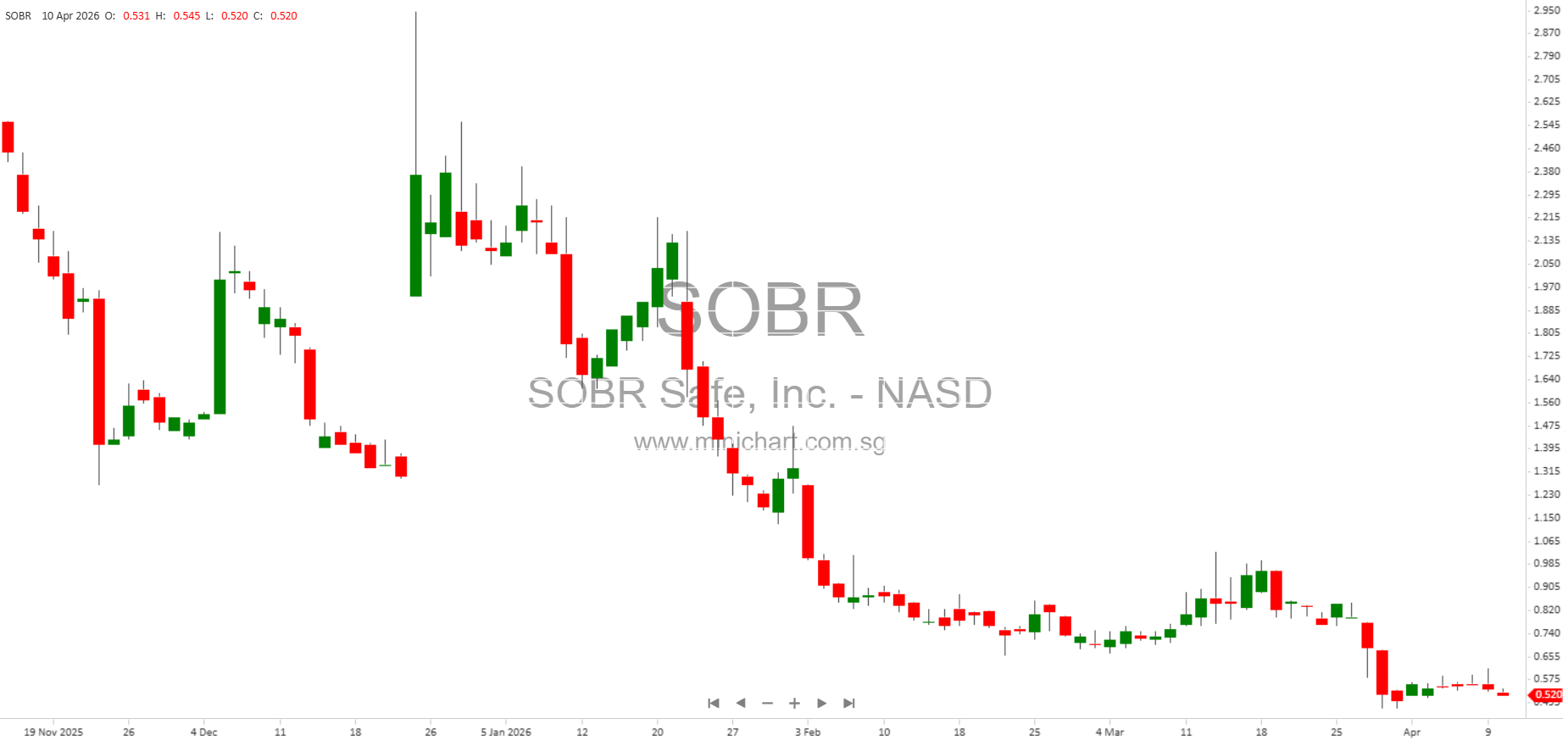
- Nasdaq Deficiency Notice: On March 19, 2026, SOBR Safe received a deficiency letter from Nasdaq, indicating the company’s common stock had closed below the minimum \$1.00 per share requirement for 30 consecutive business days. This puts the company at risk of losing its Nasdaq Capital Market listing.
- Reverse Stock Splits: SOBR Safe enacted a 1-for-110 reverse stock split in October 2024 and a 1-for-10 split in April 2025, resulting in a cumulative 1-for-1100 reverse split. Despite these actions, the company continues to face listing challenges.
- Appeal Process: The company has appealed the Nasdaq determination and intends to submit a compliance plan. However, there is no assurance that compliance will be regained or maintained.
2. Proposed Nasdaq Rule Change: Market Value Requirement
- Potential Immediate Delisting: Nasdaq has proposed increasing the minimum Market Value of Listed Securities (MVLS) from \$2.5 million to \$5 million. If approved, non-compliant stocks would be suspended immediately after 30 days of deficiency, with no cure period and limited appeal options. The SEC’s decision is pending, expected by April 29, 2026.
- Company’s Public Float: As of June 30, 2025, SOBR Safe’s public float was \$3,512,153, below the proposed \$5 million threshold. If the rule is enacted, SOBR Safe could face immediate suspension and delisting.
3. Reverse Stock Splits and Liquidity Risks
- Liquidity Concerns: Reverse splits reduce the number of outstanding shares and may create “odd lots,” making it harder and more expensive for some shareholders to sell their shares. Liquidity may be negatively affected if the stock price does not rise post-split.
- Penny Stock Risk: If SOBR Safe is delisted and the share price falls below \$5.00, it could be classified as a “penny stock,” subjecting it to restrictive trading rules and further reducing liquidity.
4. Risks Related to Ownership and Dilution
- Thin Trading Volume: SOBR Safe’s shares have historically been thinly traded, leading to greater volatility and unpredictability.
- Dilution Risk: The Board can issue up to 100 million shares of common stock and 25 million shares of preferred stock without shareholder approval, potentially causing substantial dilution. Previous capital raises have diluted existing shareholders, and future raises could continue this trend.
- Influence of Major Shareholders: As of December 31, 2025, at least one shareholder owned more than 10% of outstanding shares, potentially influencing key decisions and not always aligning with other shareholders’ interests.
5. Operating and Financial Risks
- Limited Operating History: SOBR Safe remains an emerging growth company with limited historical financial information. Investors face uncertainty regarding future performance and profitability.
- Quarterly Volatility: Operating results are highly unpredictable and have fluctuated significantly. Future results may not reflect business fundamentals or expectations.
- Capital Needs: Ongoing technology and product development depend on the company’s ability to raise additional capital. There is no guarantee that SOBR Safe can secure funding on acceptable terms.
6. Regulatory, Competitive, and Cybersecurity Risks
- Regulatory Changes: SOBR Safe is exposed to evolving tax laws and other regulations, such as the One Big Beautiful Bill Act (OBBBA), which may increase compliance costs and affect financial results.
- Competition: Market competition may intensify, with larger, more established competitors potentially outpacing SOBR Safe in technology, pricing, and acquisitions.
- Cybersecurity: SOBR Safe has implemented cross-departmental risk management processes. The Board and Audit Committee devote significant resources to cybersecurity, but risks remain due to evolving threats.
7. Internal Controls and Financial Reporting
- Material Weaknesses: During 2025, management identified weaknesses in inventory oversight and delegation of authority. These were addressed promptly, and internal controls are now deemed effective.
- Accounting Risks: Ongoing changes in accounting standards may impact financial reporting unpredictably. Investors should be aware of potential fluctuations in reported results.
8. Product and Technology Risks
- Rapid Technological Change: Failure to keep pace with technological advances may result in product obsolescence and lost revenue. The company’s ability to innovate and obtain regulatory approvals is crucial.
- Market Acceptance: If SOBR Safe’s products do not gain market acceptance or are perceived negatively, sales and revenues could be adversely affected.
Summary: Investor Takeaways
- SOBR Safe faces significant Nasdaq listing risks due to share price and market value requirements, with imminent threats from proposed rules.
- Reverse stock splits and liquidity issues may further impact shareholder value and trading ease.
- Capital raising and dilution remain ongoing risks, with potential negative effects for current shareholders.
- The company’s operating history, competitive positioning, and regulatory environment contribute to heightened uncertainty and volatility.
- Investors must closely monitor upcoming SEC decisions and company responses to Nasdaq requirements, as these could materially affect share price and trading status.
Disclaimer: This article is for informational purposes only and does not constitute investment advice, solicitation, or recommendation to buy or sell any securities. Investors should review SOBR Safe’s full SEC filings and consult with financial advisors for a comprehensive understanding of risks and opportunities. The information herein is based on publicly available data as of the date of publication and may be subject to change.