Tillys, Inc. 2025-2026 Annual Report: Key Highlights and Investor Insights
Executive Summary
Tillys, Inc. (“Tillys”) has released its Annual Report for the fiscal year ended January 31, 2026. The specialty retailer, known for casual apparel, footwear, accessories, and hardgoods targeting young men, women, boys, and girls, faces a challenging retail environment marked by recent operating losses and ongoing risks. This report will break down the most critical developments for shareholders and highlight price-sensitive information that could impact share values.
Key Financial Highlights
- Net Operating Losses: Tillys reported net losses for the third consecutive fiscal year (2023, 2024, and 2025). The company acknowledges it may need to begin borrowing under its credit facility or seek additional liquidity if negative comparable sales trends persist. This raises the risk of dilution and/or additional debt burden, which is highly relevant for shareholders.
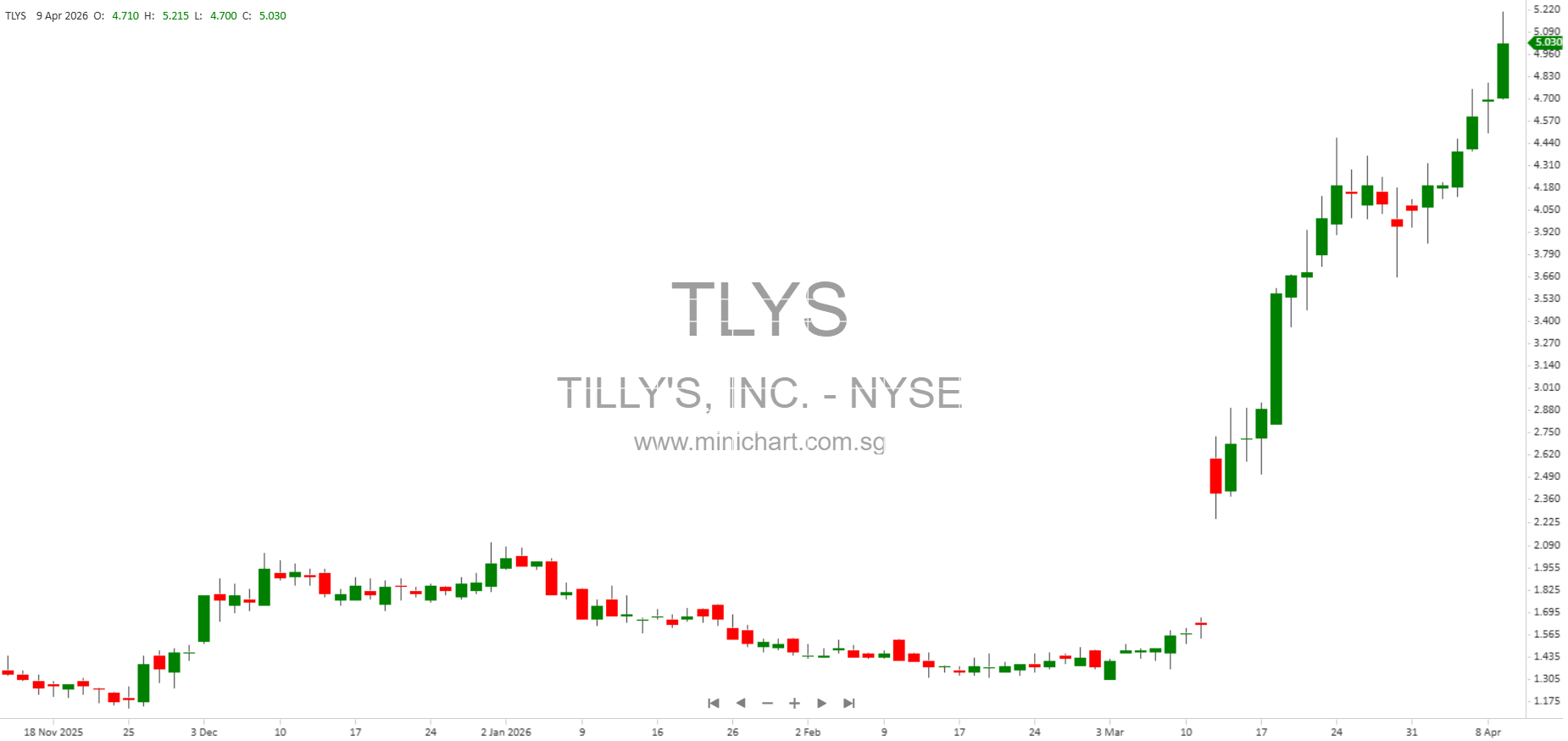
- Market Capitalization: As of August 1, 2025, the aggregate market value of voting stock held by non-affiliates was \$15,363,799, based on a closing price of \$1.70 per share. As of April 6, 2026, Tillys had 23,168,562 shares of Class A common stock and 7,306,108 shares of Class B common stock outstanding.
- Smaller Reporting Company Status: Tillys is classified as a smaller reporting company under SEC rules and is not an emerging growth company.
- Seasonality: The company’s revenues are highly seasonal, typically lowest in Q1 and highest in Q4, driven by peak shopping periods such as Thanksgiving, Christmas, back-to-school, and spring break.
Risks and Forward-Looking Statements
Tillys included extensive forward-looking statements, warning of risks and uncertainties that could lead to significant deviations from projected results. Key risks highlighted include:
- Inflationary Pressures: Inflation is impacting consumer spending and raising operational expenses (product, labor, shipping, digital marketing).
- International Trade Risks: Most merchandise is sourced from foreign countries, making it susceptible to tariffs and international trade disruptions. This could increase costs and/or force retail price hikes.
- Competition: Tillys faces intense competition both in physical stores and online, including social media platforms.
- Inventory Management: Effective inventory control remains a concern, with risks of unsold inventory and markdowns affecting profitability.
- Consumer Confidence: Declining consumer confidence and spending may continue to impact sales.
- Liquidity Risks: If negative sales trends persist, Tillys may require additional funding via debt or equity issuance, which could dilute shareholder value or increase leverage.
- Environmental, Social, Governance (ESG): The company completed its first climate risk assessment aligned with TCFD guidelines in fiscal 2025 and is ramping up sustainability initiatives, including water use reduction, recycling, and electric vehicle charging infrastructure. ESG matters are increasingly important for investor sentiment and regulatory compliance.
- Technology and Cybersecurity: Risks related to IT systems and cybersecurity breaches are acknowledged, especially as e-commerce continues to grow.
- Lease Commitments: Tillys leases all store locations, corporate offices, and distribution centers, requiring significant periodic payments that could strain cash flow.
- Regulatory and Legal Risks: The company is exposed to risks from employment law changes, litigation, privacy laws, and credit card industry security standards.
- Climate Change and Sustainability Risks: Tillys notes risks associated with climate change, ESG initiatives, and sustainability pressures.
Corporate Governance and Compliance
- Board Structure: Tillys is a controlled company, with its Co-Founder and Executive Chairman holding substantial stock. However, five out of seven Board members are independent, and all Board committees are composed solely of independent directors.
- Ethical Practices: The company maintains a Code of Ethical Business Conduct, whistleblower hotline, and an insider trading policy to ensure ethical and compliant behavior among employees and management.
- Disclosure and Transparency: Tillys makes all SEC filings available on its website and at www.sec.gov for investor review.
Operational Strategies and Challenges
- Business Initiatives: Tillys is implementing new merchandising strategies, technology enhancements, and cost containment plans. The execution of these strategies is subject to uncertainty, and delays or failures could further impact sales and profitability.
- E-Commerce Growth: While online sales are a strategic focus, Tillys faces risks including increased competition, higher shipping and marketing costs, liability for online content, and cybersecurity threats.
- Store Expansion and Closures: The company continues to open new stores and close unprofitable ones, but faces challenges securing favorable lease terms and operating profitability.
Shareholder and Price-Sensitive Information
- Risk of Dilution: Potential for new debt or equity issuance if cash flow trends remain negative, which could dilute existing shareholders or impact share value.
- Operating Losses: Sustained losses over three years are a red flag for investors and could impact valuation and market sentiment.
- Seasonal Volatility: Shareholders should expect significant fluctuations in quarterly results due to retail seasonality.
- ESG Developments: The climate risk assessment and sustainability initiatives may influence institutional investor sentiment and regulatory compliance, which are increasingly price-sensitive factors.
- Controlled Company Risks: The concentration of ownership may limit influence by minority shareholders and affect governance dynamics.
- Liquidity Concerns: If performance does not improve, Tillys may need to raise additional capital, which could adversely affect share price.
Conclusion
The Tillys, Inc. 2025-2026 Annual Report highlights a company at a pivotal moment, facing sustained losses, liquidity risks, and intense competition. The implementation of new business strategies, ESG initiatives, and technology upgrades are crucial for future performance but carry execution risks. Shareholders should pay close attention to ongoing liquidity needs, potential dilution, and the company’s ability to return to profitability. These factors are highly price-sensitive and may significantly impact share values going forward.
Disclaimer: This article is for informational purposes only and does not constitute investment advice or a recommendation. Investors should conduct their own due diligence and consult their financial advisors before making any investment decisions. The information presented is based on the Tillys, Inc. 2025-2026 Annual Report and is subject to change. Past performance is not indicative of future results. The author assumes no responsibility for any actions taken based on this article.