Vornado Realty Trust Publishes 2025 Sustainability Report: Key Developments and Implications for Shareholders
Overview
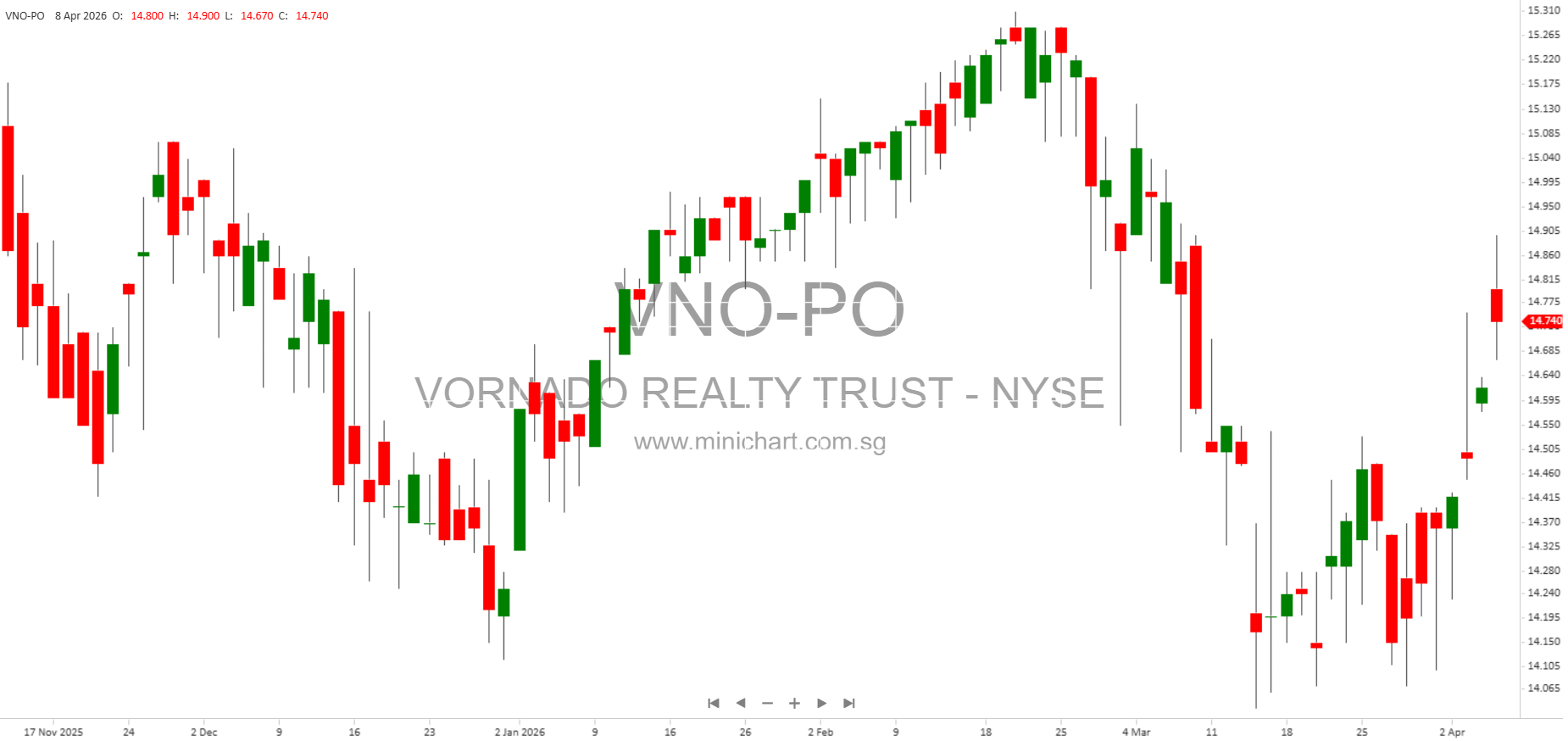
On April 8, 2026, Vornado Realty Trust (NYSE: VNO) announced via an 8-K filing that it has released its 2025 Sustainability Report, available on the company website. The report, together with a press release, outlines progress in environmental, social, and governance (ESG) initiatives and provides updates on risk management, regulatory compliance, and climate-related scenario analysis. As ESG issues and regulatory compliance grow more central to the valuation of real estate investment trusts, these disclosures may have a material impact on investor sentiment and share value.
Key Highlights from the 2025 Sustainability Report
- GRESB Performance: Vornado maintained its top-tier status, ranking in the top 3% of Office REIT peers, retaining its Green Star designation, and achieving a five-star rating for 2025. This positions the company as an industry leader in ESG performance.
- Science-Based Targets Initiative (SBTi) Approval: Vornado’s GHG emissions reduction targets have been approved by the Science-Based Targets initiative and align with a 1.5°C climate scenario. The company reported a 58% reduction in market-based emissions since its base year, exceeding interim targets.
- 100% Renewable Energy in Major Markets: In 2025, Vornado’s buildings in both New York and Chicago used 100% renewable energy via bundled Renewable Energy Certificates (RECs). San Francisco assets sourced 100% renewable energy through local carbon-free grid supply.
- Materiality Assessment and Stakeholder Engagement: Annual materiality assessments guide the company’s sustainability priorities, with robust stakeholder engagement including investors representing over 40% of outstanding shares, tenants, employees, and community partners.
- Climate-Related Scenario Analysis: Vornado continues to align disclosures with the Task Force on Climate-related Financial Disclosures (TCFD) and performed qualitative scenario analyses based on IPCC pathways (RCP 2.6 and RCP 8.5). The company utilizes proprietary and public climate risk tools such as Risk Factor™ to assess physical and transitional risks, integrating these findings into its Enterprise Risk Management (ERM) framework.
- Regulatory Compliance and Emerging Risks: The report identifies potential risks from new and emerging regulations, including New York City’s Local Law 97, California’s SB-261 and AB-802, and the new US SEC climate rule. While compliance costs are expected to rise, Vornado’s proactive stance and high level of preparedness may provide a competitive advantage.
-
Operational Achievements:
- 82% of waste diverted from landfills, surpassing the 75% goal for 2030 ahead of schedule.
- 80% of cleaning supplies now meet sustainability criteria.
- Significant progress in water conservation and energy efficiency through fixture retrofits, HVAC upgrades, and tenant engagement programs.
- Comprehensive annual waste auditing and recycling education for tenants.
- Board and Governance: The Board of Trustees, through its Corporate Governance and Nominating Committee, provides direct oversight on sustainability matters. The Chief Sustainability Officer and a dedicated team oversee risk management, reporting directly to the Board on a quarterly basis.
- External Assurance: Selected disclosures in the report, especially GHG emissions, are subject to limited assurance by Deloitte & Touche LLP, enhancing reliability and investor confidence.
- Human Capital Metrics: 83% of employees are covered by collective bargaining agreements. Gender diversity is balanced (52% female, 48% male in the corporate workforce), and the company maintains active programs for professional development and employee engagement.
Potentially Price-Sensitive Disclosures
- Regulatory Risks: New and emerging climate and building performance regulations could lead to increased compliance costs and operational disruptions. The report specifically calls out New York LL97, California SB-261/AB-802, and the SEC’s new climate rule as areas of focus.
- Climate Risk Adaptation: Integration of climate scenario analysis into investment and operational strategy may affect asset valuations and capital allocation, especially in regions exposed to flooding, extreme weather, or changing insurance markets.
- Renewable Energy Leadership: Achievement of 100% renewable energy use in key markets may attract sustainability-focused investors and tenants, potentially supporting premium valuations.
- Risk of Increased Costs: The report notes possible financial impacts from utility price increases, grid decarbonization, and required building upgrades. However, proactive investments and efficiency gains may offset some of these risks.
- Third-Party Assurance: Independent review by Deloitte & Touche LLP of GHG data and selected sustainability metrics may enhance credibility and reduce the risk of greenwashing allegations, mitigating potential reputational risk.
Strategic Implications
- Market Leadership: Vornado’s continued leadership in GRESB ratings and SBTi alignment positions it favorably versus peers as ESG investing and tenant demand for sustainable buildings grow.
- Tenant and Investor Relations: High levels of tenant engagement and proactive investor communications may improve retention and attract new capital.
- Regulatory Readiness: Ongoing scenario analysis and robust ERM integration suggest Vornado is well-prepared for evolving regulatory landscapes, potentially insulating it from shocks that could more severely impact less-prepared REITs.
Conclusion
The release of Vornado Realty Trust’s 2025 Sustainability Report contains several material disclosures highly relevant to investors. The company’s clear progress on emissions reductions, renewable energy, and risk management sets it apart in the sector, while its proactive approach to regulatory and climate-related risks enhances its long-term resilience. These initiatives, paired with third-party assurance and transparent governance, may positively influence investor perception and share value—especially as ESG factors become increasingly central to real estate asset pricing.