OrthoPediatrics Corp. Announces Amendment to Credit Agreement and Guaranty
Key Developments in Company Financing Structure
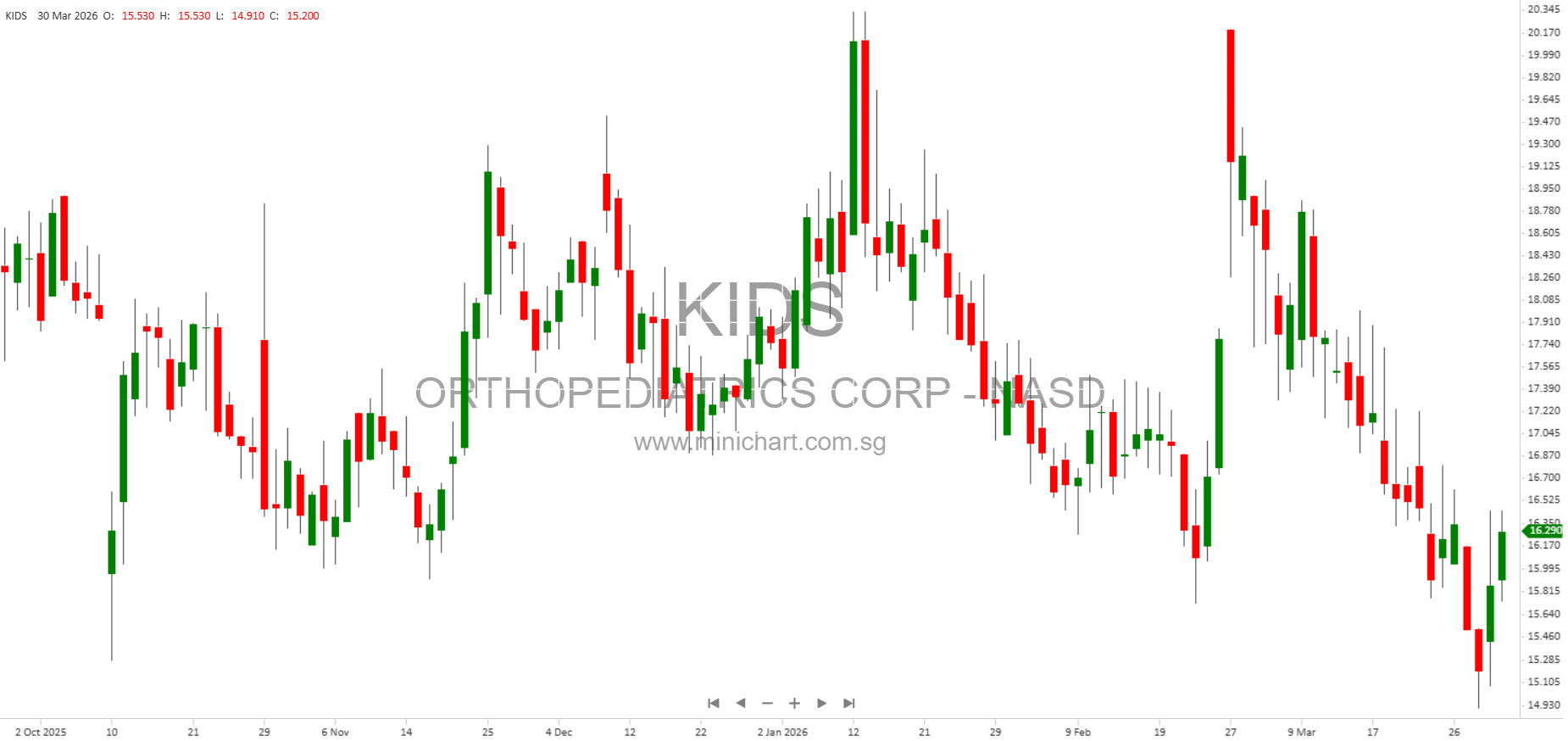
OrthoPediatrics Corp. (Nasdaq: KIDS), a leading developer of orthopedic products for children, has filed a Form 8-K with the Securities and Exchange Commission announcing a significant amendment to its existing Credit Agreement and Guaranty. This move brings forth several changes to the company’s financial obligations and credit arrangements, which may have important implications for shareholders and could potentially impact the company’s share price.
Highlights of the Amendment
- Amendment to Credit Agreement: The company, together with certain subsidiaries, entered into a First Amendment to the Credit Agreement and Guaranty with Wilmington Trust, National Association as agent, and the lenders party to the agreement. The main terms and implications of the amendment have been summarized, though specific exhibits and schedules were omitted from the public filing.
- Direct Financial Obligation Created: The amendment constitutes the creation of a direct financial obligation or an obligation under an off-balance sheet arrangement for OrthoPediatrics Corp. The disclosure regarding this obligation is incorporated by reference into the Form 8-K, indicating the materiality of the amendment.
- Amendment Fee: As part of the amendment, the company agreed to pay an amendment fee of \$5,000 for the lender’s account.
Key Terms and Provisions of the Credit Agreement (As Amended)
- Applicable Margin: The amendment specifies an Applicable Margin of 6.50%.
- Minimum Net Product Sales Threshold: The agreement introduces or maintains a covenant requiring the company to meet a minimum net product sales threshold, which is a key performance indicator for lenders and could affect the company’s borrowing capacity or trigger default if not met.
- Financial Covenants and Reporting: The agreement includes requirements around financial reporting, minimum liquidity, scheduled principal payments for the term loan, and the maintenance of certain financial ratios. The company is required to provide compliance certificates, maintain a minimum level of net product sales, and adhere to other affirmative and negative covenants.
- Events of Default and Remedies: The agreement details events of default, which, if triggered, could result in acceleration of the loan, increased interest rates, or other penalties.
- Collateral and Guaranty: The amendment continues to provide for collateralization of the obligations and includes guarantees by certain subsidiaries.
- Other Key Sections: The agreement covers permitted investments, affiliate transactions, business descriptions, regulatory matters, environmental compliance, intellectual property, and anti-money laundering legislation.
Potential Impact on Shareholders
- Liquidity and Financial Flexibility: The amendment to the credit facility provides the company with continued access to capital, which is crucial for operations, strategic growth, and meeting ongoing financial obligations.
- Shareholder Value and Price Sensitivity: Amendments to credit agreements can be price sensitive, especially if they reflect changes in the company’s risk profile, borrowing costs, or financial covenants. The 6.50% applicable margin and specific sales and liquidity thresholds could affect investor perception of the company’s financial health and future growth prospects.
- Default Risk and Financial Covenants: Failure to comply with the amended terms, especially the minimum net product sales threshold or liquidity covenants, could result in default. This may limit financial flexibility or result in higher costs, which could negatively affect the share price.
Other Notable Information
- Exhibits and Disclosure Schedules: Certain exhibits and disclosure schedules to the First Amendment were omitted from the public filing but are available to the SEC upon request. Investors may wish to seek further details if they are concerned about the exact nature of covenants or collateral arrangements.
- No Simultaneous Satisfaction of Other SEC Rules: The filing notes that it is not being used to simultaneously satisfy other SEC filing obligations such as written communications under Rule 425, solicitation materials under Rule 14a-12, or pre-commencement tender offer communications.
- Emerging Growth Company Status: OrthoPediatrics Corp. is not considered an emerging growth company, and it has not elected to use the extended transition period for compliance with new or revised financial accounting standards under the Exchange Act.
Conclusion
In summary: OrthoPediatrics Corp.’s amendment to its Credit Agreement and Guaranty is a material event that affects the company’s capital structure, borrowing costs, financial covenants, and operating flexibility. Shareholders should pay close attention to compliance with the new terms, especially concerning minimum net product sales, as these covenants directly affect the company’s risk profile and could have a bearing on share value. The payment of an amendment fee and the continuation of collateral and guaranty requirements are also notable. Investors are encouraged to review the full agreement and monitor the company’s financial disclosures for any signs of covenant breaches or liquidity concerns.
Disclaimer: This article is for informational purposes only and does not constitute investment advice. Investors should conduct their own due diligence and consult with their financial advisors before making any investment decisions. The information herein is based on filings made by OrthoPediatrics Corp. with the SEC and may be subject to change or clarification in future filings.