First Foundation Inc. Files Amended 2025 Annual Report: Key Details for Investors
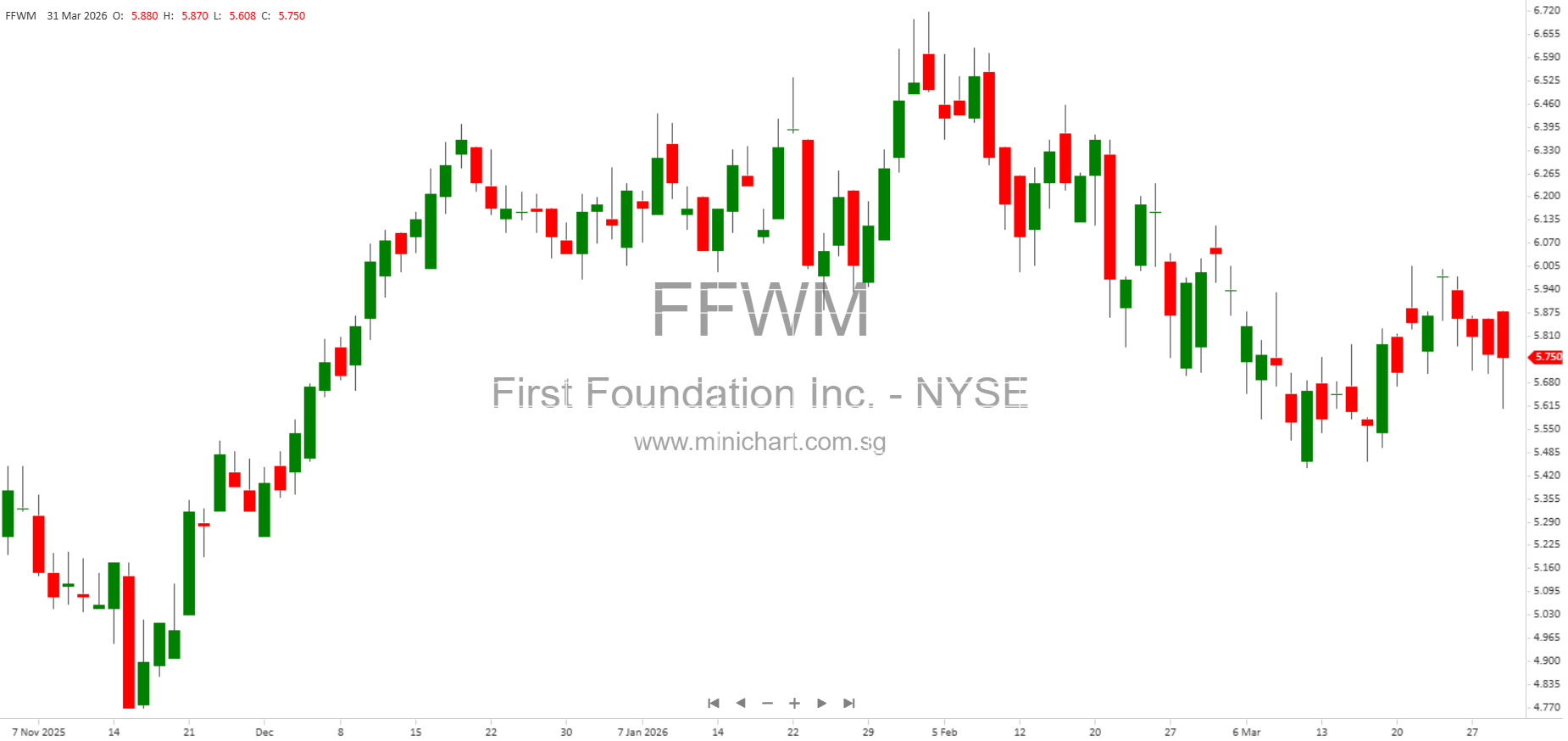
First Foundation Inc. (NYSE: FFWM) has filed its Amendment No. 1 to the Annual Report on Form 10-K/A for the fiscal year ended December 31, 2025. This amended filing provides critical updates to the company’s governance, executive compensation, risk management, and compliance practices. Here’s an in-depth breakdown for investors:
Key Highlights from the Amended 2025 Annual Report
- Company Overview: First Foundation Inc. (“FFI” or the “Company”) is a Delaware corporation with consolidated subsidiaries, including First Foundation Advisors and First Foundation Bank, which further owns First Foundation Public Finance and Blue Moon Management, LLC.
-
Market & Share Data:
- As of June 30, 2025, the aggregate market value of FFWM’s common stock held by non-affiliates was approximately \$305 million.
- As of March 4, 2026, the Company had 82,926,292 shares of common stock outstanding.
- Auditor: KPMG LLP continues as the Company’s independent auditor.
Corporate Governance & Risk Management
- FFI’s Board of Directors emphasizes strong governance and risk management through multiple standing committees: Audit, Compensation, Nominating & Corporate Governance, and Risk Committees.
- Audit Committee: All current members are independent under NYSE and SEC rules; two are designated as “audit committee financial experts.” The committee oversees financial reporting integrity and auditor performance.
- Risk Committee: Oversight responsibilities include credit, market, liquidity, operational, legal, compliance, and reputational risks. The committee monitors cybersecurity, business continuity, and disaster recovery.
- Related Party Transaction Policy: The Audit Committee must approve all material related party transactions to ensure fairness and alignment with third-party standards.
- Insider Trading & Anti-Hedging Policies: FFI maintains strict insider trading rules and prohibits hedging or speculative transactions by directors and executives.
Executive Compensation & Shareholder Alignment
- Compensation Philosophy: The Committee aims to closely align executive compensation with long-term shareholder interests, emphasizing performance-based equity awards.
- 2025 CEO Pay Ratio: The ratio of CEO (Thomas C. Shafer) compensation to median employee pay is 11.1, reflecting a focus on moderation and equity.
-
Stock Ownership Guidelines:
- Non-employee directors are required to own shares worth at least five times their annual cash retainer.
- Named Executive Officers (NEOs) must own a minimum—three times base salary for most NEOs; six times for the CEO. Until these requirements are met, at least 50% of net after-tax shares from equity awards must be retained.
- Clawback Policy: In compliance with SEC and NYSE rules, the Company has adopted a robust clawback policy allowing recovery of incentive compensation if results are restated due to misconduct or fraud.
- Compensation Risk Assessment: The Committee concluded that FFI’s compensation policies do not encourage excessive risk-taking and are unlikely to have a material adverse effect.
2025 Executive Compensation Table (Key Data)
| Executive | Salary (\$) | Bonus (\$) | Stock Awards (\$) | All Other Compensation (\$) | Total (\$) |
|---|---|---|---|---|---|
| Thomas C. Shafer (CEO) | 1,090,000 | — | 132,049 | 483,843 | 1,705,892 |
| James Britton (CFO) | — | — | — | — | — |
Shareholder-Important & Potentially Price-Sensitive Items
- Governance & Oversight: The robust governance structure, including independent risk and audit oversight, is a positive for institutional investors and may reduce perceived governance risk.
- Executive Compensation Alignment: The emphasis on performance-based equity and stringent clawback provisions could reassure shareholders concerned about pay-for-performance alignment and risk controls.
- Clawback & Anti-Hedging Policies: The adoption and enforcement of these policies align FFI with the latest SEC and NYSE requirements, potentially mitigating downside risk from compliance failures or executive misconduct.
- Risk Management: The Company’s focus on risk management and cybersecurity oversight is critical, especially given the increased scrutiny of banks’ operational resilience in the current market environment.
Conclusion
While the 10-K/A primarily updates governance and compensation disclosures, the report’s detailed provisions on risk oversight, executive accountability, and shareholder alignment are all positives for long-term investors. There is no indication of financial restatement, fraud, or significant adverse events, which should provide some reassurance. These governance enhancements and compensation practices could support investor confidence, reduce governance risk premiums, and potentially influence share price favorably over time, particularly for institutional holders monitoring governance quality.
Disclaimer: This article is a summary of First Foundation Inc.’s 10-K/A filing and is provided for informational purposes only. It does not constitute financial advice or a recommendation to buy or sell securities. Investors should review the full SEC filing and consult their financial advisor before making investment decisions.