American Picture House Corporation (APHP) 2025 10-K: In-Depth Investor Analysis
Executive Summary
American Picture House Corporation (“APHP” or “the Company”) has released its annual report for the fiscal year ended December 31, 2025. This report provides investors with a comprehensive overview of the Company’s business model, financial structure, risk factors, and strategic outlook. APHP operates as a public company quoted on the OTC:QB, focusing on film and limited series development, financing, and library acquisition strategies.
Key Points and Highlights for Investors
1. Business Model and Strategic Phases
-
Dual Approach to Projects:
- Structured Film Finance & Priority Recoupment: APHP provides or arranges project financing, often through senior secured lending or first-priority recoupment positions, entitling the Company to priority distributions from project receipts after deductions.
- Library and IP Ownership: APHP actively seeks to build a library of owned or controlled intellectual properties, including through acquisitions or options where meaningful development investment has already occurred or prior stakeholders seek liquidity.
-
Three-Phase Operational Plan:
- Phase 1 (through Q2 2026): Focus on smaller, economically rational transactions to refine underwriting, documentation, and portfolio monitoring.
- Phase 2 (concurrent): Consolidate existing investments and special purpose structures into integrated internal and external reporting frameworks.
- Phase 3 (beginning 2026): Scale selectively by expanding financing activity and building the owned/controlled library via acquisitions, options, and co-productions, subject to capital and market conditions.
- Target Market: APHP primarily focuses on mid-budget productions with financing supported by project-level structures, contracted rights, pre-sales, advances, incentives, and completion guarantees, emphasizing disciplined budgeting and bankable creative elements.
- Public Company Infrastructure: APHP is committed to building robust financial and disclosure controls to facilitate capital access and support strategic transactions.
2. Capital Structure and Financing Approach
- Capital Flexibility & Dilution Awareness: The Company seeks to maintain flexibility and avoid excessive dilution or refinancing risk, but may enter into less favorable financing if liquidity needs dictate.
- Potential Dilution: APHP may use equity-based compensation or equity-linked financing instruments, which could be dilutive to existing shareholders. Future financings could include convertible notes or similar structures that may put downward pressure on the stock price and impose restrictive covenants.
- Convertible and Equity-Linked Risk: Existing and future instruments with variable conversion features could cause substantial dilution and volatility in the share price.
3. Financial Health and Risks
- Going Concern Warning: The Company has incurred losses and may not be able to continue as a going concern without sufficient cash flows or additional financing. Inability to secure financing could force the Company to reduce, delay, or discontinue parts of its business plan, affecting development, production, and packaging activities.
- Significant Capital Requirements: The film and content business is capital-intensive, with long cycles between investment and revenue realization. The Company relies on a mix of credit facilities, government incentives, and third-party financing, which may not always be available or sufficient.
- Revenue and Earnings Volatility: APHP’s revenues and results can fluctuate due to the timing of releases, market conditions, and currency exposures.
- Reliance on Incentives and Third Parties: Production incentives, tax credits, and third-party reporting/remittance are integral to the business model. Delays, audits, reductions, or disallowances in such incentives could materially impact financial performance.
4. Regulatory and Legal Risks
- Potential for “Investment Company” Status: If APHP were deemed an investment company under the Investment Company Act of 1940, it could face significant additional regulatory burdens, limiting flexibility and increasing compliance costs.
- IP and Litigation Risks: The Company faces risks from intellectual property disputes, including copyright infringement claims, and may incur substantial costs to protect and defend its IP portfolio.
5. Corporate Governance and Management Control
- Concentration of Control: Bannor Michael MacGregor, Chairperson and CEO, holds substantial control over the Company and can influence most matters requiring shareholder approval. This concentration may reduce the ability of minority shareholders to influence corporate actions and could lead to related-party transactions that are not on market terms.
- Consultant-Based Operations: The Company has no employees and relies on consultants and independent contractors, which may limit operational scalability and consistency of financial controls.
- Smaller Reporting Company Status: APHP qualifies as a “smaller reporting company,” allowing scaled disclosures and exemptions from some Sarbanes-Oxley Act requirements, such as Section 404(b) auditor attestation.
6. Market and Liquidity Risks
- OTC:QB Quotation – Limited Liquidity: APHP’s shares are quoted on the OTC:QB. There is currently no active, liquid, or orderly market for the shares, which may hinder the ability of investors to sell at desired prices or times and could impair the Company’s ability to raise capital.
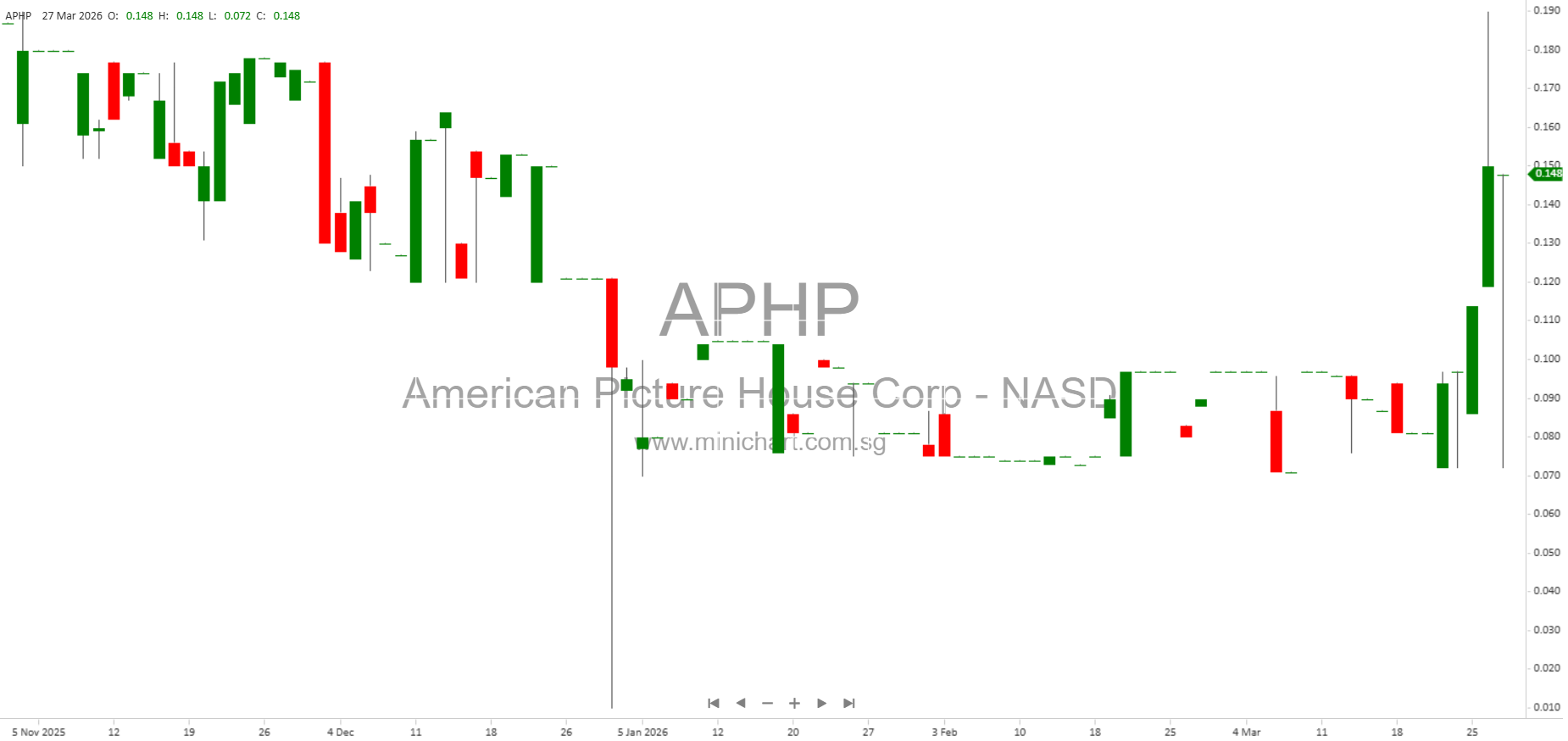
- Volatility and Dilution: The Company’s share price is likely to be volatile, influenced by many factors including financing developments, acquisitions, and insider sales. Future share issuances or sales by insiders could further depress the share price.
- No Dividend Policy: APHP does not anticipate paying dividends. Returns will depend solely on share price appreciation, which is not guaranteed.
7. Other Notable Risks and Uncertainties
- Dependence on Key Executives: The loss of key management personnel could adversely affect the business.
- Strategic and Industry Risks: Changes in technology, consumer preferences, distribution models, and regulatory environments could materially affect APHP’s business. The Company faces competition from established and emerging players and must continually adapt to industry shifts.
- Risks in Acquisitions and Ventures: The Company may pursue acquisitions and joint ventures, which carry risks such as integration challenges, assumption of liabilities, and diversion of management focus.
- Internal Controls: As a public company, APHP must maintain effective internal controls over financial reporting. Any material weakness could result in loss of investor confidence and potential regulatory sanctions.
Potentially Price-Sensitive Information for Shareholders
- Going Concern Risk: Shareholders should be aware that the Company’s ability to continue operations is dependent on new financing. Inability to secure funding could put the Company’s future at risk and may have a material adverse impact on the share price.
- Convertible and Dilutive Financings: The use or issuance of convertible or equity-linked instruments may dilute existing shareholders and create downward pressure on the stock price.
- Lack of Liquid Market: The absence of an active market for the shares may affect the ability to sell shares and may keep the price volatile and potentially low.
- Concentration of Control: The significant influence held by the CEO and Chairperson may affect corporate governance and priorities, potentially at odds with minority shareholders’ interests.
- Reliance on Incentives and Third Parties: Delays or changes in incentives, or issues with third-party collections, could rapidly shift the Company’s financial outlook.
- No Dividend Policy: Investors should not expect dividend income in the foreseeable future.
Conclusion
APHP’s 2025 10-K outlines a business at a critical juncture, with a clear strategy but facing significant capital, liquidity, and operational risks. Shareholders and potential investors should be aware of the Company’s dependence on new financing, the risk of dilution, the lack of trading liquidity, and the concentration of management control. The success of the Company’s strategic initiatives and its ability to build a valuable content library will be key drivers of future value, but substantial uncertainties remain.
Disclaimer: This article is for informational purposes only and does not constitute investment advice. Investors should conduct their own due diligence and consult with professional advisors before making investment decisions. The information herein is based on the Company’s public filings and may contain forward-looking statements subject to risks and uncertainties.