Cantor Equity Partners IV, Inc. (Nasdaq: CEPF) Annual Report: Key Details for Investors
Overview
Cantor Equity Partners IV, Inc. (the “Company”) is a blank check company incorporated in the Cayman Islands, primarily for the purpose of effecting a business combination (often referred to as a “SPAC” or Special Purpose Acquisition Company). The Company completed its Initial Public Offering (IPO) on August 22, 2025, raising capital through the sale of 45,000,000 Class A ordinary shares, which began trading on Nasdaq under the symbol CEPF on August 21, 2025.
Key Points for Investors
- Business Strategy: The Company is targeting acquisitions in industries that complement the experience of its management and sponsor, specifically focusing on financial services, digital assets, healthcare, real estate services, technology, and software. These sectors are expected to have positive long-term growth prospects, competitive advantages, opportunities for consolidation, recurring revenue, and attractive margins.
- Acquisition Criteria: The Company is not limited to any industry or geography, but will favor targets with strong growth prospects, recurring revenue, and operational improvement opportunities. The targeted business must have a fair market value of at least 80% of the assets in the trust account at the time a definitive agreement is signed.
- Funds Available: As of December 31, 2025, the trust account holds approximately \$456.7 million available for a business combination, subject to reductions for taxes, fees, and possible redemptions by public shareholders.
- Shareholder Approval: The Company may complete a business combination without a shareholder vote if not required by law or Nasdaq rules. Certain structures, like mergers with a target, will require shareholder approval. This could mean that some combinations may proceed even if a majority of public shareholders do not support them.
- Redemption Rights: Public shareholders are entitled to redeem their shares for a pro rata share of the trust account if they do not wish to participate in the business combination. This is a protective feature, but could also reduce the funds available for the acquisition.
- Potential Conflicts of Interest: Management and sponsors may have interests in other companies and investments, potentially leading to conflicts regarding which targets to pursue. In addition, the sponsor’s investment in “Founder Shares” will become highly valuable only if a business combination is completed, incentivizing management to complete a deal even if it is not optimal for public shareholders.
- Emerging Growth Company Status: The Company is classified as an “emerging growth company” and a “smaller reporting company,” which means it is subject to lighter regulatory and disclosure requirements. This may make the stock less attractive to some institutional investors and could increase volatility.
-
Potential Risks Highlighted:
- The funds in the trust account may not be fully protected from third-party claims or bankruptcy.
- An active trading market for the shares may not develop, impacting liquidity and price stability.
- Competition for attractive acquisition targets is intense, which may force the Company to accept less favorable terms or delay the combination.
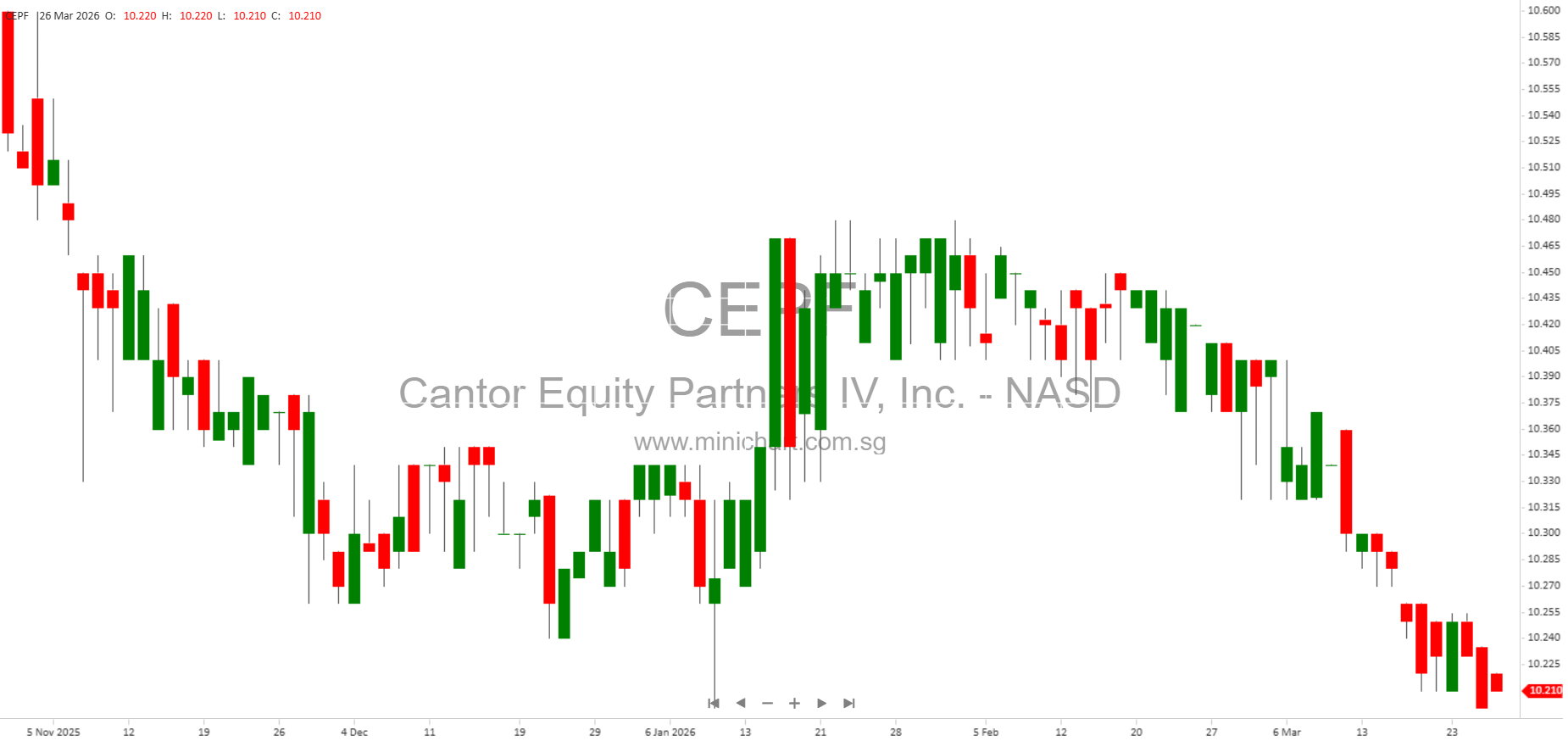
- Share prices may be volatile, especially since the value of “Founder Shares” after a combination could be much higher than the nominal price paid, even if public shares trade below \$10.
- Liquidation Risk: If the Company does not complete a business combination within the designated period (the “Combination Period”), it will be required to liquidate and return funds to public shareholders, and the sponsor will lose its entire investment in the founder shares.
- Regulatory and Reporting Obligations: The Company is required to file annual, quarterly, and current reports with the SEC. In connection with a business combination, audited financial statements of the target company (prepared according to US GAAP or IFRS) must be provided to shareholders.
Potential Price-Sensitive Issues
- Timing and Outcome of Business Combination: The successful completion of a business combination, the nature of the target, and the terms of the deal are the most significant potential drivers of share price. Failure to complete a combination within the required time frame could trigger liquidation.
- Redemption Levels: High redemption rates by public shareholders could reduce the funds available for acquisition, impacting the attractiveness of the deal and subsequent share performance.
- Management Actions: Any indication of conflicts of interest, legal proceedings involving directors, or poor selection of targets could negatively affect share value.
- Market Risk: Lack of liquidity or poor market reception upon completion of a business combination could lead to significant share price declines.
What Shareholders Should Watch
- Announcements regarding potential or signed business combinations.
- SEC filings related to redemptions, shareholder votes, or tender offers.
- Changes in the Company’s management or sponsor structure.
- Disclosures of legal proceedings involving directors, officers, or affiliates.
- Updates on the status of the trust account and available funds.
Conclusion
Cantor Equity Partners IV, Inc. provides investors with an opportunity to participate in a potential business combination in attractive growth sectors. However, the blank check structure, potential conflicts of interest, and time-limited window to complete a deal present material risks. The share price is likely to be highly sensitive to news related to the identification, negotiation, and completion of a business combination, as well as market conditions and redemption levels.
Disclaimer: This article is for informational purposes only and does not constitute investment advice. Investors should conduct their own due diligence and consult professional advisors before making investment decisions. The information is based on the Company’s public SEC filings and may not reflect the most current developments. Past performance is not indicative of future results.