Oramed Pharmaceuticals Inc. Annual Report: Detailed Investor Insights
Key Points from the 2025 Annual Report
- Strategic Review Process Underway: Oramed Pharmaceuticals Inc. is actively evaluating potential strategic alternatives, including capital raises, acquisitions, mergers, business combinations, and other transactions. The Company warns that there is no assurance any transaction will be pursued or completed, and the process may not be successful or timely. This ongoing review could significantly impact shareholder value and is likely to result in share price volatility.
- Real Estate Investments: The Company has diversified into entrepreneurial real estate investments, including loan agreements and profit-sharing arrangements. These investments are intended to enhance financial flexibility and maximize shareholder value, but they carry significant risks, including market, liquidity, and execution risks. The illiquid nature of real estate may limit the Company’s ability to quickly reallocate capital and could negatively impact returns if the market declines.
- Significant Investments in Public Companies: Oramed holds stakes in several companies, including Nano, Alpha Tau, Entera, DNA, Pelthos, and Lifeward. The Company’s ability to realize returns on these investments is uncertain due to market fluctuations, low trading volumes, and risks associated with clinical and regulatory outcomes in some of these companies (notably Alpha Tau and Lifeward).
- Shareholder Engagement and Board Influence: Oramed has indicated its intention to engage actively with management and shareholders of its portfolio companies, such as Nano, including potentially recommending changes to the board composition and influencing strategic direction and governance.
- Securities and Stockholder Litigation Risk: The Company may become involved in litigation related to strategic transactions or negative developments, such as poor clinical trial results. Such litigation can divert management’s attention, incur significant costs, and negatively affect business performance.
- Nasdaq Listing Compliance: The Company’s common stock is listed on the Nasdaq Capital Market and Tel Aviv Stock Exchange. There is a risk of delisting if the minimum bid price remains below \$1.00 for 30 consecutive business days. Delisting would reduce liquidity, increase costs, and potentially trigger “penny stock” regulations, making it harder for shareholders to trade shares.
- Potential Dilution: Oramed has outstanding warrants, options, and restricted stock units (RSUs). Future equity financings or the exercise of these instruments may cause significant dilution to existing shareholders and exert downward pressure on the trading price of the common stock.
- Investment Company Act Risk: The Company may be deemed an investment company if it maintains a significant percentage of assets in cash and/or securities, resulting in additional regulatory burdens and costs.
- Healthcare Policy and Currency Risks: Changes in U.S. healthcare policy and currency exchange rates may adversely impact the Company’s business and financial results.
- Capital Requirements: Oramed may require substantial additional capital to implement strategic alternatives, continue research and development, or commercialize products. If the Company cannot secure adequate financing, it may need to scale back or eliminate planned activities, research programs, or enter into unfavorable licensing agreements.
- Management and Key Personnel: The Company does not maintain key man insurance on senior executives. Recruiting and retaining qualified personnel, especially for research and development, is critical and challenging due to industry competition and high turnover rates.
- Joint Venture Risks: Oramed’s joint ventures may limit flexibility with investments and expose the Company to risks from partners with divergent goals or regulatory environments. Disagreements could result in costly litigation or delays in decision-making.
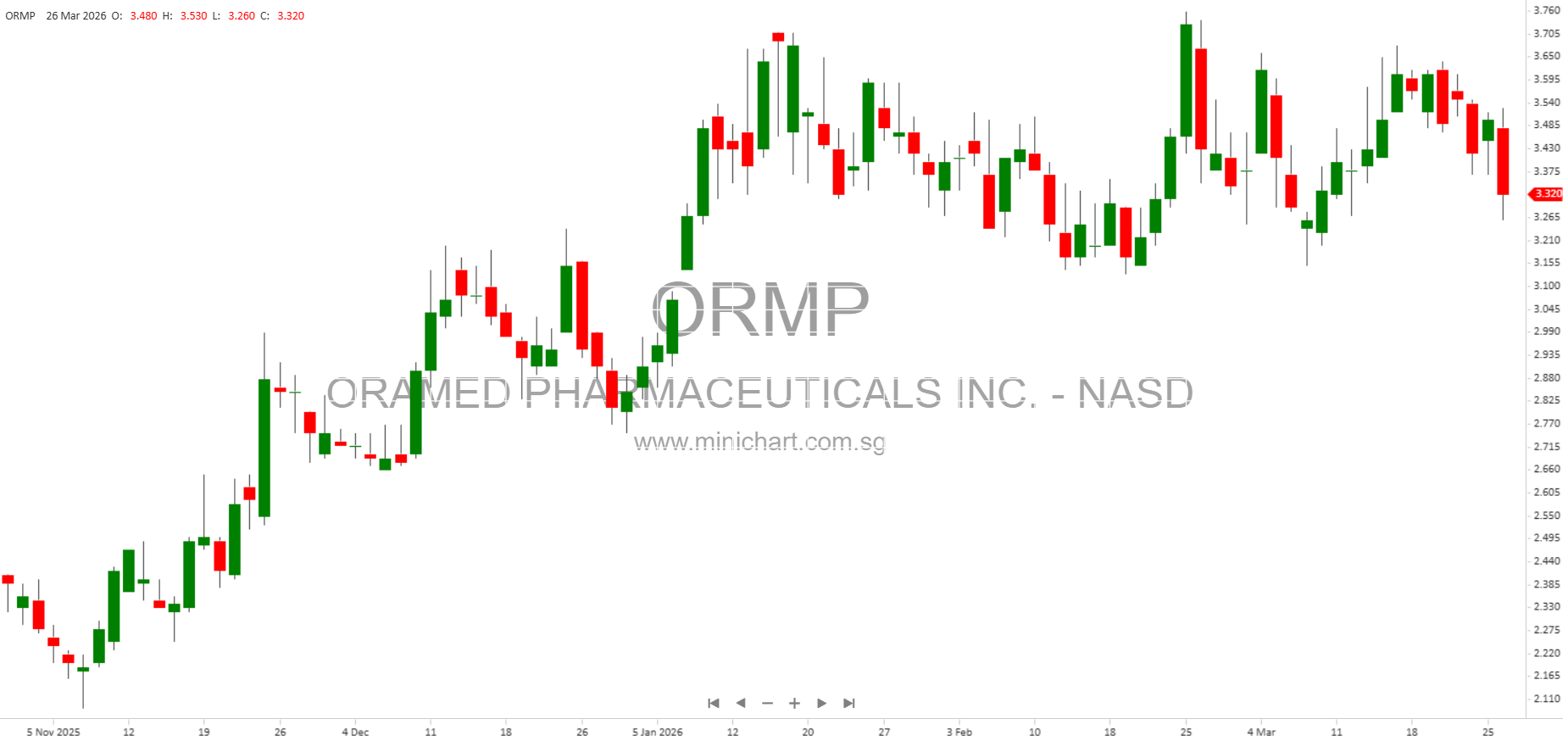
- Market Volatility: The Company’s shares have experienced significant price and volume fluctuations, particularly following negative clinical trial results, and expects continued volatility due to various internal and external factors.
Price-Sensitive and Shareholder-Relevant Issues
- Strategic Review: The possibility of major corporate actions such as mergers, acquisitions, or business combinations could materially affect the share price. Uncertainty and speculation around this process already cause share price volatility.
- Risk of Delisting: Failure to maintain Nasdaq listing requirements may result in delisting, reduced liquidity, and impaired ability to raise capital, which would be materially adverse to shareholders.
- Potential Dilution: Further equity raises or exercises of outstanding warrants/options/RSUs may dilute existing shareholders and impact share price negatively.
- Investment Performance: The Company’s ability to realize returns from its investments in other public companies is uncertain and subject to market and company-specific risks (e.g., Alpha Tau’s clinical outcomes).
- Litigation and Regulatory Risks: Possible litigation resulting from transactions or negative developments could result in substantial costs, management distraction, and reputational harm.
- Capital Needs and Financing Risk: The Company may need additional funds to pursue strategic alternatives or maintain operations, and failure to obtain such financing could require scaling back operations or entering into unfavorable agreements.
- Real Estate Market Fluctuations: Exposure to real estate market downturns or illiquidity may impact financial returns and overall performance.
- Management Turnover: Difficulty in retaining key personnel could impact long-term strategic execution and product development.
Summary of Risks That May Affect Share Value
- Ongoing strategic review and possible major corporate transactions
- Risk of Nasdaq delisting and penny stock designation
- Potential dilution from additional equity raises and securities exercises
- Uncertain returns from portfolio investments, especially clinical-stage companies
- Litigation risk related to strategic transactions and clinical outcomes
- Significant capital requirements and risk of adverse financing terms
- Real estate market and liquidity risks
- Management retention and recruitment challenges
Disclaimer
This article is based on the Oramed Pharmaceuticals Inc. Annual Report for the fiscal year ended December 31, 2025. The information provided is for informational purposes only and does not constitute investment advice. Investors should conduct their own research and consult with professional advisors before making investment decisions. The Company is subject to numerous risks and uncertainties, and actual outcomes may differ materially from those discussed. This summary may not capture all nuances or developments in the Company’s business, and no responsibility is accepted for actions taken based on this article.