Rockwell Medical, Inc. 2025 Annual Report: Key Investor Highlights and Potential Price-Sensitive Information
Executive Summary
Rockwell Medical, Inc. (“Rockwell”) has released its Annual Report on Form 10-K for the fiscal year ended December 31, 2025. This comprehensive filing provides critical insights into the company’s financial health, business outlook, risks, and opportunities that may have significant implications for shareholders and potential investors.
Key Highlights from the Report
- Public Float: As of June 30, 2025, Rockwell’s aggregate market value of voting and non-voting common equity held by non-affiliates was \$28,688,982.
- Shares Outstanding: As of March 23, 2026, there were 39,302,302 shares of common stock outstanding.
- Exchange & Symbol: Shares are listed on the Nasdaq Capital Market under the ticker RMTI.
- Issuer Category: Rockwell is a Non-accelerated filer and a Smaller Reporting Company.
- No Dividends: The company has not paid, and does not anticipate paying, dividends in the foreseeable future.
- Russell Microcap® Index: Maintained membership for the third consecutive year in June 2025.
- International Sales: Accounted for approximately 12% of total sales in 2025 (up from 9% in 2024).
Risks and Price-Sensitive Issues for Shareholders
Liquidity, Capital, and Going Concern Issues
- Going Concern Warning: The company highlights its ability to continue as a going concern as a material risk, referencing the need to raise additional capital and successfully implement cost containment and cost-cutting measures.
- Capital Adequacy: Existing capital resources may not be adequate to finance future operating cash requirements. Failure to raise additional capital or control costs could force the company to curtail activities or cease operations.
- Supplier Credit Risk: Day-to-day operations are partly dependent on supplier credit; inability to maintain favorable financial standing could significantly impact operations.
- Poor Terms on New Financing: Even if new capital is raised, it may only be available on unfavorable terms, potentially causing significant dilution for existing shareholders and downward pressure on share price.
Nasdaq Listing & Share Price Volatility
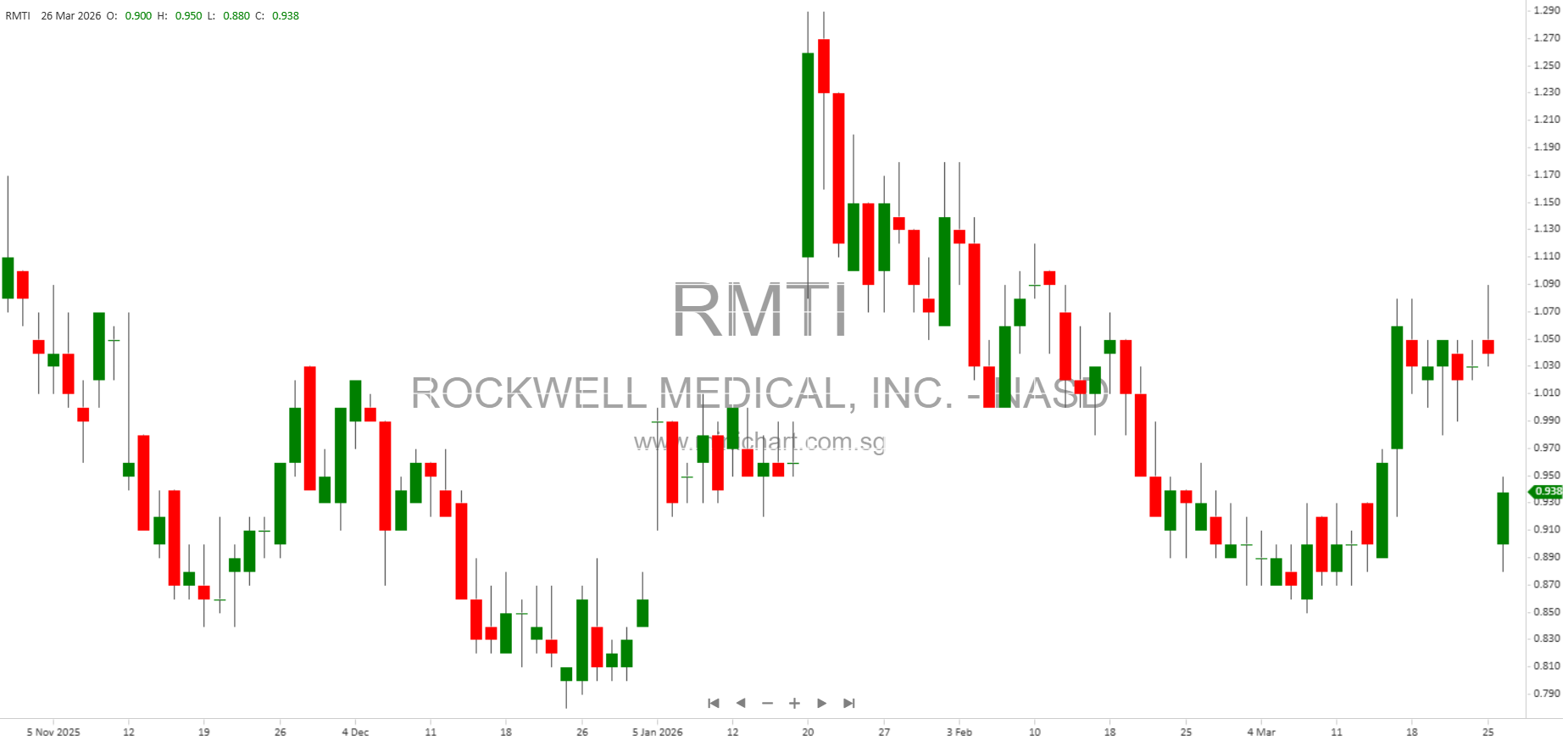
- Listing Compliance Risk: In 2021, Rockwell received a notice from Nasdaq for non-compliance with the minimum bid price requirement, leading to a reverse stock split in May 2022. While compliance was restored, continued volatility and sub-\$1 stock price trends pose an ongoing risk of delisting.
- Consequences of Delisting: Could result in reduced liquidity, limited market quotations, classification as “penny stock,” less analyst coverage, and decreased ability to raise capital in the future.
Customer Concentration and Competition
- Key Customers: Significant customers are crucial to Rockwell’s business. Loss of any major accounts could materially impact financial results.
- Competition: The company faces intense competition in the concentrates market, with larger, better-resourced competitors. Failure to compete could result in loss of market share and revenues.
Operational and Cost Pressures
- Input Costs: Increases in raw material, labor, fuel, and other inputs, especially if not passed on to customers, could erode margins and profitability.
- Production Automation: The need for further automation to control production costs is highlighted; inability to achieve this may lead to continued cost escalation.
- Inflation and Macro Factors: Broader economic headwinds, including inflation, geopolitical events, supply chain disruptions, and pandemics, can negatively impact operations, costs, and revenue.
Legal, Regulatory, and Governance Risks
- Litigation Exposure: The company has faced, and may continue to face, costly and unpredictable litigation, including from activist shareholders and intellectual property claims.
- Regulatory Compliance: As a highly regulated business, Rockwell must comply with a range of FDA and other requirements. Non-compliance or regulatory changes could adversely affect operations.
- Anti-Takeover Provisions: Certificate of incorporation and bylaws include provisions (e.g., staggered Board, blank-check preferred stock) that could deter takeovers and limit shareholder influence, possibly affecting the share price in event-driven scenarios.
Shareholder Value and Dilution
- Potential Dilution: As of the report date, there were millions of shares issuable from outstanding options and warrants. The exercise and sale of these could depress the share price further.
- No Dividends: The absence of any anticipated dividends means shareholders are reliant on capital appreciation for returns.
- Net Operating Losses: Substantial NOLs could be limited by future changes in ownership, reducing future tax benefits and available cash.
Opportunities and Notable Positives
- Russell Microcap® Index Inclusion: Continued membership for three years may help maintain some institutional interest and trading liquidity.
- International Growth: International sales are growing as a percentage of total revenue (12% in 2025), suggesting some traction outside the U.S.
- Cost Management Initiatives: The company is actively pursuing cost containment, automation, and new business development, though execution risk remains high.
Forward-Looking Statements and Caution
The report contains numerous forward-looking statements regarding the company’s ability to continue as a going concern, achieve profitability, integrate acquisitions, execute its business strategy, and maintain or grow its customer base. These statements are subject to considerable business, economic, and competitive uncertainties, many of which are outside the company’s control.
Conclusion: Share Price Sensitivity
Investors should note:
- The company’s ability to raise capital, maintain its Nasdaq listing, and manage costs are critical to its survival and future share price performance.
- Any negative developments in these areas—such as inability to raise funds, loss of a major customer, or delisting from Nasdaq—could have immediate and significant negative impacts on the share price.
- Conversely, successful execution of cost control and international expansion, or the winning of new major customers, could provide upside catalysts.