Toppoint Holdings Inc. 2025 Annual Report: Key Investor Insights
Overview and Structure
Toppoint Holdings Inc. (“Toppoint” or “the Company”) filed its annual Form 10-K for the fiscal year ended December 31, 2025. The Company is incorporated in Nevada and is primarily engaged in trucking and courier services (excluding air). Toppoint is listed on the NYSE American under the ticker “TOPP” and, as of March 23, 2026, had 19,700,000 shares of common stock outstanding with a public float of approximately \$6.88 million as of June 30, 2025.
Key Business Developments
- Refrigerated Logistics Expansion: Toppoint launched cold-chain logistics services, managing refrigerated containers at major ports. This strategic move is aimed at diversifying service offerings, stabilizing revenues, and capturing growth in the high-potential cold-chain market.
- Recycling & Waste Management Growth: The Company secured a notable partnership with Casella Waste Systems to support their Springfield, Massachusetts facility and increased service capacity at Newark ports. These moves signal Toppoint’s aggressive expansion into the resource renewal and sustainability sector.
- Technology and Competitive Pricing: Toppoint employs proprietary analytics systems to track operational and financial performance in real time, enabling competitive pricing and high service levels, particularly in the recycled paper transportation sector.
- Healthy Cash Flows: The Company primarily funds operations through cash generated from daily business. This financial discipline allows Toppoint to operate without reliance on factoring, support vendor growth, and invest in new opportunities, bolstering resilience against market volatility.
Management and Board Changes
- Chief Financial Officer Transition: On December 1, 2025, CFO and Board member John Feliciano III resigned. Kah Loong Randy Yeo was appointed interim CFO. Investors should note the transition in senior financial leadership.
- Board Expansion and Appointments: The Board expanded to six members, with the appointment of Anthony Kwong and other directors designated by recent key investors.
Shareholder Agreements and Governance Risks
- Director Designation Rights: Three investors, under recent share purchase agreements, have the right to designate directors to the Board, granting them significant influence over corporate strategy and decisions. Their interests may differ from those of general shareholders and could affect major decisions, potentially impacting share value.
- Participation Rights in Future Issuances: These investors also have participation rights in new securities offerings, which could limit the Company’s flexibility in raising future capital and could dilute existing shareholders.
Financial and Operational Risks
- Concentration Risk: A significant portion of revenue is concentrated among a small number of large customers. Loss or reduction of business from any of these could materially impact financial results.
- Liquidity and Loan Concentration: The Company notes that a substantial portion of its capital was loaned to a third-party borrower. Any delay or default in repayment could materially affect liquidity and financial condition.
- Debt and Collateralization: Parts of Toppoint’s debt are secured by Company assets. Default could result in foreclosure on critical equipment, threatening ongoing operations.
- Cost Pressures: The Company is exposed to increases in fuel, wages, equipment costs, and other expenses. Inability to pass these costs to customers could compress margins.
- Seasonality and Market Volatility: While waste paper volumes are steady, wood products and scrap metals show significant seasonal and market-driven volatility, directly affecting revenue streams.
- Human Capital Risks: Success hinges on retaining key executives and employees. Recent changes in the CFO position and Board composition underscore exposure to management continuity risk.
- Reputational Risk: The Toppoint brand is a valuable intangible asset. Any adverse publicity, including via social media, could rapidly damage reputation and business prospects.
Legal and Related-Party Risks
- Related-Party Transactions: Toppoint has entered into, and may continue to enter into, transactions with directors, executive officers, principal stockholders, and their affiliates. While reviewed by the Audit Committee, such deals may not always be on arm’s-length terms, potentially conflicting with shareholder interests.
- Regulatory and Compliance Environment: The Company operates in a highly regulated industry, and compliance costs or liabilities could materially affect financial performance.
Risks Related to Common Stock
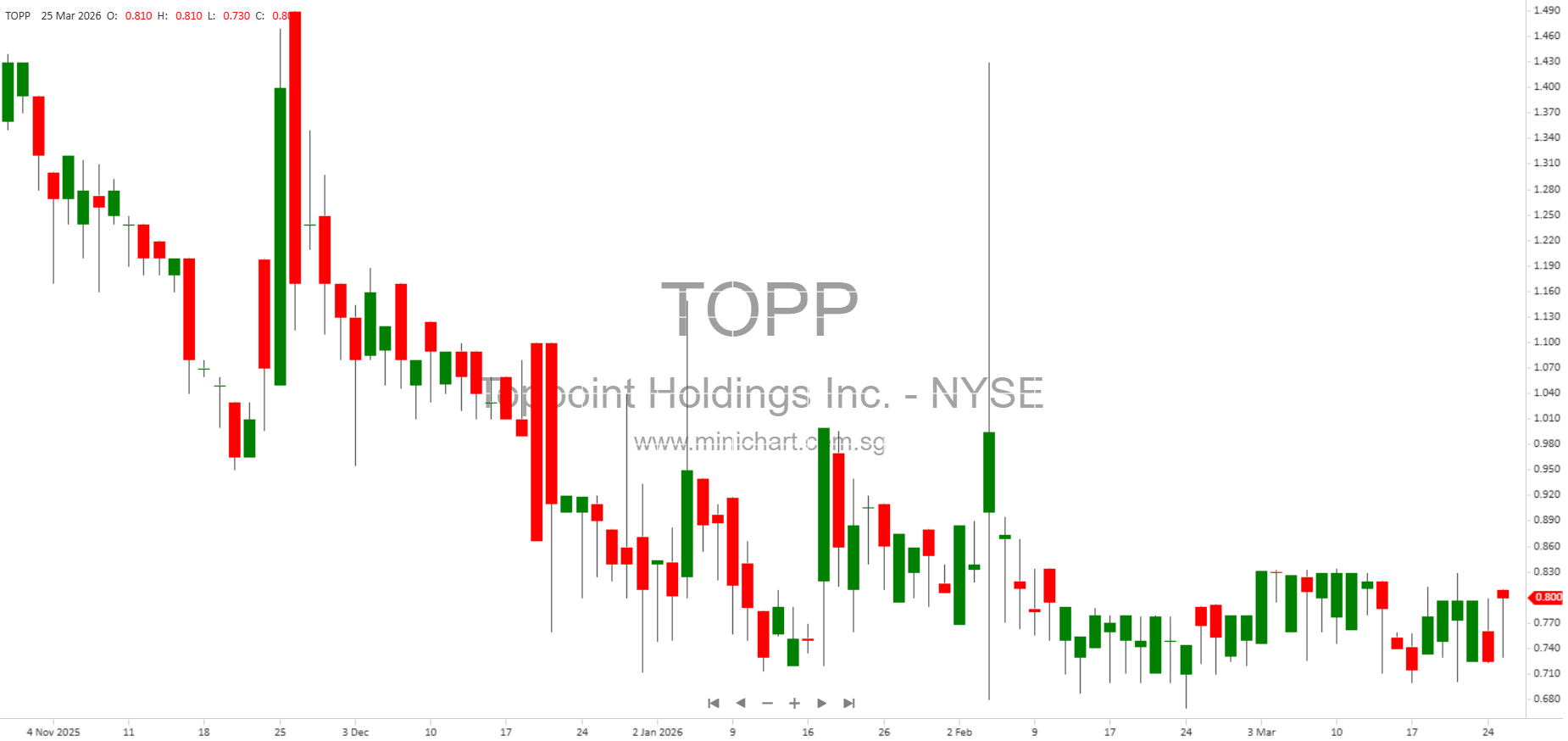
- Stock Price Volatility: Shares may experience significant volatility unrelated to Company performance, making it challenging for investors to assess true value.
- Listing Risk: There is a risk that Toppoint may not be able to maintain its NYSE American listing.
- No Dividend Policy: The Company does not expect to pay dividends in the foreseeable future, focusing instead on reinvesting cash for growth.
- Discretionary Use of IPO Proceeds: Management has broad discretion on how to use IPO proceeds, which may not always align with shareholder preferences.
Forward-Looking Statements and Caution
The report contains numerous forward-looking statements regarding strategies, growth plans, and market conditions. These are subject to risks and uncertainties beyond management’s control, including economic cycles, customer demand, regulatory changes, and operational execution.
Conclusion: Price-Sensitive Issues and Investor Takeaways
- Board and Management Changes: Leadership transitions could drive strategic redirection or create uncertainty.
- Investor Influence and Governance: The presence of major shareholders with board representation and participation rights is a material governance risk and could lead to actions not in alignment with minority shareholders.
- Liquidity and Credit Risks: Capital concentration in a third-party loan, along with asset-backed debt, exposes shareholders to significant financial risk.
- Growth in New Segments: Expansion into refrigerated logistics and recycling, coupled with strategic partnerships, could drive future revenue but also brings integration and execution risks.
- Related-Party Transactions: Continued reliance on transactions with insiders may pose conflicts and affect transparency and trust.
Disclaimer
Disclaimer: This article is based on the Company’s 2025 Annual Report and additional inferred information for investor clarity. It does not constitute investment advice. Investors should review the full SEC filing and consult with their own financial advisors before making investment decisions. The Company’s actual results may differ materially from those expressed or implied herein due to a variety of risks and uncertainties.