INDEXPLUS Trust Series 2003-1 Annual Report: Comprehensive Investor Update
Key Points from the 10-K Filing
- Trust Structure and Securities: INDEXPLUS Trust Series 2003-1 is a pass-through trust holding a diversified portfolio of underlying securities including those issued by high-profile corporations such as The Boeing Company, Citigroup Inc., Credit Suisse Group AG, Ford Motor Company, Ally Financial Inc., General Motors, and others.
- Reporting and Transparency: The trust refers investors to the periodic Exchange Act reports of the underlying securities issuers for detailed financial and operational information. Notably, if any asset (e.g., DaimlerChrysler) exceeds 10% of trust assets and is not compliant with reporting requirements, the trust is required to liquidate that holding, which could impact portfolio composition and risk profile.
-
Risk Factors: Investors should be aware of several risks:
- If the trust certificates or underlying securities are redeemed before maturity, investors may not be able to reinvest proceeds at comparable yields.
- Yield is impacted by purchase price, timing, redemption options exercised by issuers, credit events, and concentration risks (especially if issuers cease filing Exchange Act reports).
- As securities mature or are redeemed/sold, the trust becomes less diversified, increasing exposure to specific issuers and related economic factors.
- Principal and interest payments on underlying securities are unsecured obligations of the issuers, adding credit risk.
- Market Listing: Trust Certificates are listed on the New York Stock Exchange American, represented by Cede & Co., nominee of the Depository Trust Company.
- Regulatory Compliance: The trust has procedures to ensure timely filing of Exchange Act reports and compliance with minimum servicing standards as confirmed by independent accountants.
- Insider Trading Policy: Bank of America Corporation (related to the trust) has published a robust insider trading policy, prohibiting improper trading or tipping by officers, directors, employees, and affiliates. The policy also covers MNPI (material nonpublic information) relating to both the company and other companies, with strict pre-clearance requirements for designated insiders.
Important Shareholder Information
-
Price-Sensitive Risks: Key risks that may affect the value of trust certificates include:
- Early Redemption: Redemption of securities prior to maturity may affect yield and reinvestment opportunities.
- Credit Events: Defaults or negative credit events by underlying issuers can directly impact trust certificate value.
- Diversification Decline: As securities mature or are removed, exposure to remaining issuers increases—potentially raising volatility and risk.
- Reporting Lapses: If an issuer stops filing Exchange Act reports and its securities exceed 10% of trust assets, forced liquidation may disrupt returns.
- Compliance and Controls: Independent audits (PricewaterhouseCoopers and KPMG) confirm that the trust and trustee comply with servicing standards, including accurate distribution reporting and investor notification requirements. No material deficiencies or disagreements with accountants were reported.
- Insider Trading Policy Enforcement: Shareholders should note the strict enforcement of insider trading prohibitions. Violations can lead to criminal penalties, legal action, and dismissal, ensuring integrity and protecting shareholder interests.
Additional Details for Investors
- No Financial Statements or Executive Compensation: The trust does not file standalone financial statements, nor does it report executive compensation or beneficial ownership—these are not applicable to the structure. Investors must rely on information from underlying issuers.
- Exhibits and Certifications: The annual report includes exhibits such as the insider trading policy, trustee’s compliance certificate, and reports by independent accountants, further affirming rigorous compliance and operational standards.
- Market Value and Shares Outstanding: Not applicable for this trust structure; trust certificates reflect interests in the underlying securities, not in a traditional operating company.
Potential Share Price Impact
-
Trust Certificate Value Drivers: The primary drivers of trust certificate values are:
- Performance and creditworthiness of underlying issuers
- Interest rate environment and reinvestment risk
- Portfolio composition, concentration, and diversification
- Compliance with regulatory and reporting requirements
Any significant event affecting an underlying issuer (e.g., credit downgrade, default, early redemption, or reporting lapse) or changes in regulatory/corporate governance policies could materially impact trust certificate prices and investor returns.
- Operational Integrity: The annual compliance and audit reports provide assurance that operational risks are well-managed, supporting investor confidence.
Conclusion
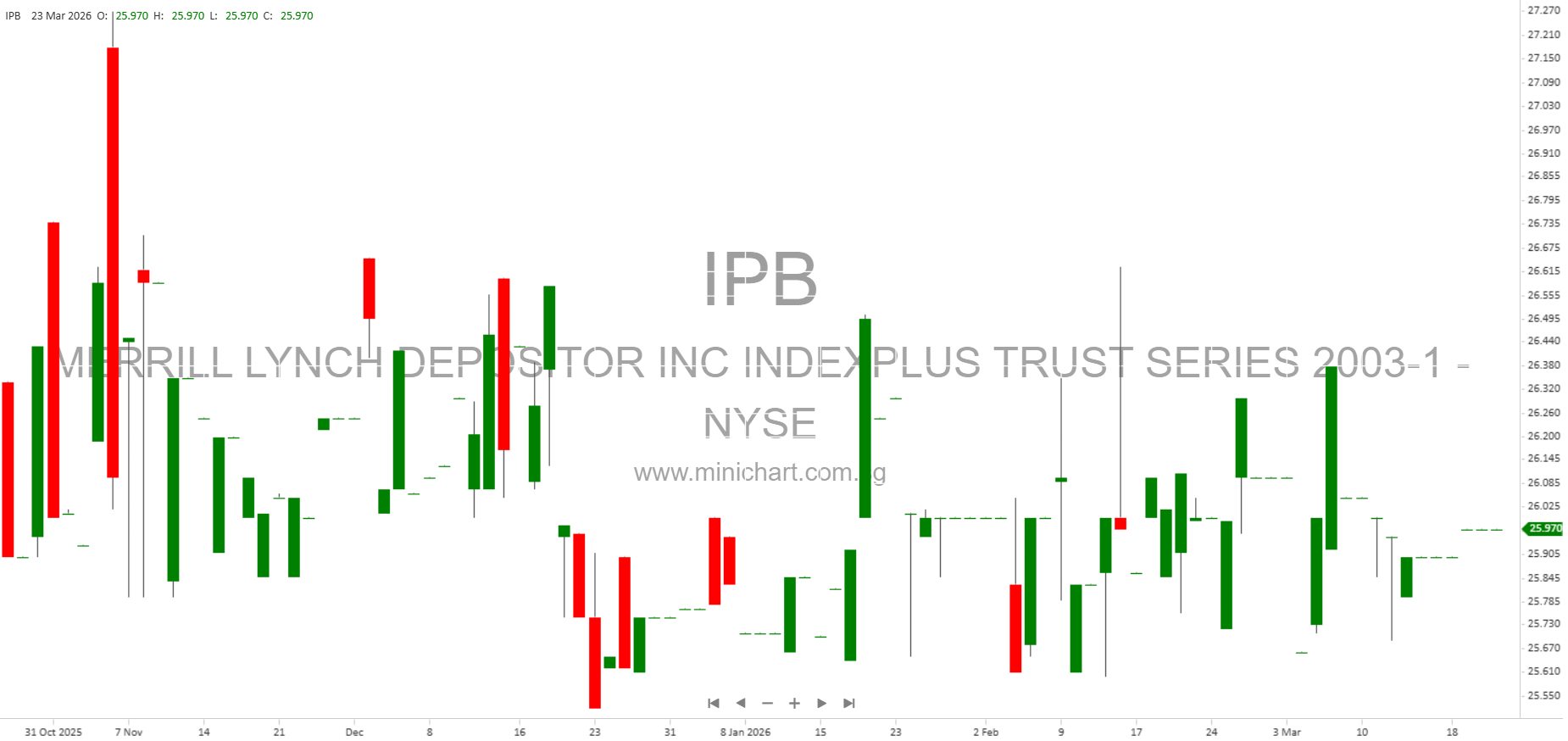
The INDEXPLUS Trust Series 2003-1 annual report highlights robust compliance, transparent risk disclosure, and operational integrity. Investors should closely monitor the performance and reporting of underlying issuers, as credit events, concentration changes, and regulatory issues could significantly affect returns. The trust’s strict adherence to insider trading and servicing standards further strengthens its governance framework.
Disclaimer: This article is for informational purposes only and does not constitute investment advice or a recommendation to buy or sell any securities. Investors should consult their own advisors and review underlying issuer reports before making investment decisions. The information herein is based on the annual report and may be subject to change.