FinWise Bancorp 2025 Annual Report: Key Insights and Shareholder Considerations
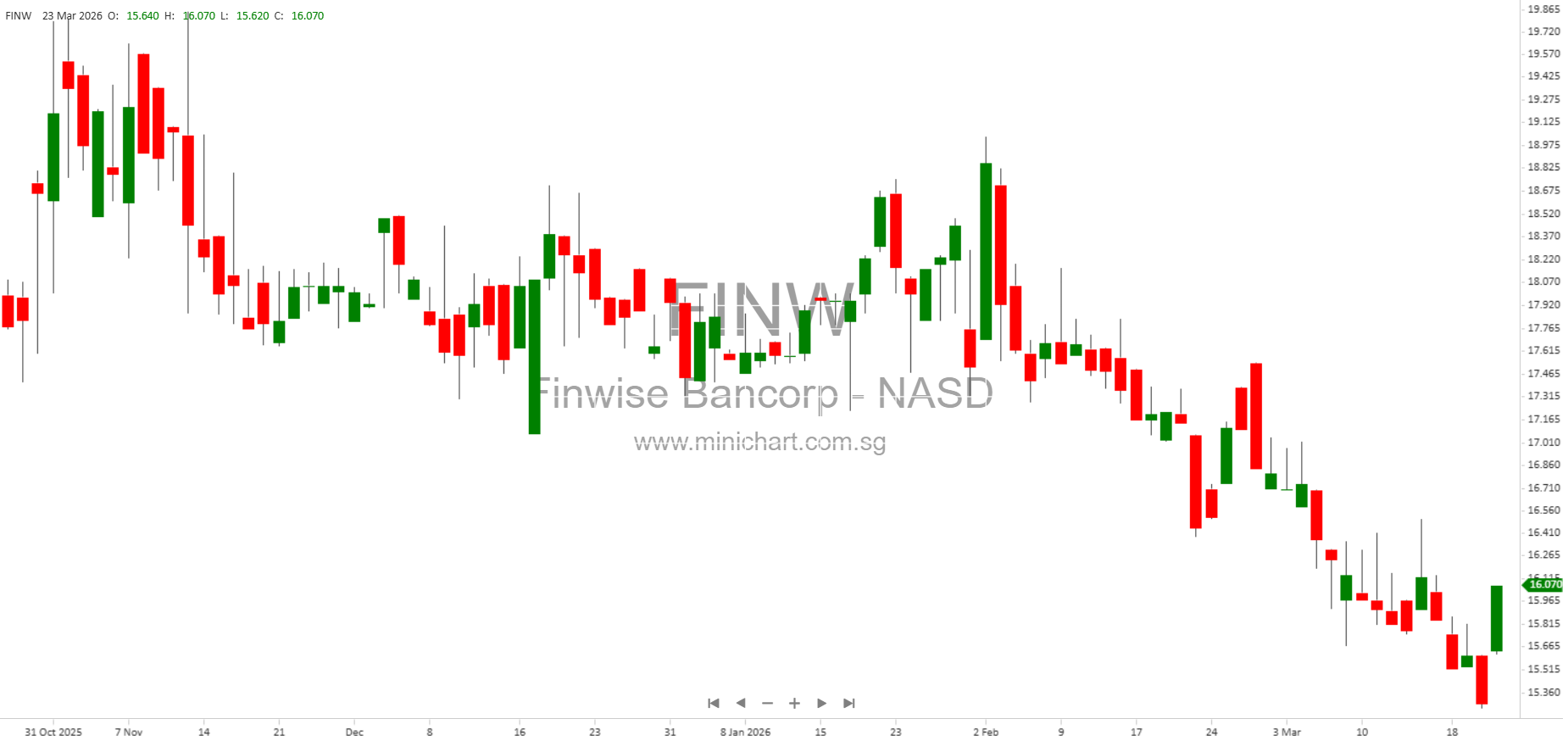
FinWise Bancorp (NASDAQ: FINW) has released its Annual Report for the fiscal year ended December 31, 2025, providing detailed insights into its performance, strategic direction, risk factors, and outlook. This analysis distills the most critical aspects of the report relevant to investors and highlights information that may have a material impact on the company’s share price.
Key Highlights from the 2025 Annual Report
- Public Float and Shares Outstanding: As of June 30, 2025, FinWise Bancorp’s public float stands at approximately \$162.9 million. The company had 13,676,859 shares of common stock outstanding as of March 16, 2026.
- Listing Status: The company remains listed on The Nasdaq Stock Market LLC under the symbol FINW. It is classified as a non-accelerated filer, a smaller reporting company, and an emerging growth company.
- Compliance and Filing Status: FinWise has met all reporting requirements under Section 13 or 15(d) of the Securities Exchange Act of 1934 for the preceding 12 months and has submitted all required interactive data files.
- Forward-Looking Statements and Risk Factors: Management provides extensive forward-looking statements, highlighting a variety of risks that could materially affect financial performance. These risks are detailed in both summary and extended form within the report.
Potentially Price-Sensitive Information and Key Risks
The following items are especially noteworthy for shareholders and may have implications for FinWise Bancorp’s share value:
1. Exposure to Fintech and Banking-as-a-Service (BaaS)
- FinWise’s performance is tightly linked to the health and regulatory environment of the fintech and BaaS sectors. Significant regulatory evolution or adverse developments in these industries could materially affect the company’s revenues and margins.
- The company’s ability to oversee and monitor its fintech banking and payment solutions providers is crucial. Any compliance failures or regulatory breaches by these partners could expose FinWise to legal, reputational, and financial risks.
2. Regulatory and Legislative Uncertainty
- Management warns of potential changes in laws, regulations, and interpretations affecting financial institutions, including the application of interest rate caps, SBA lending rules, and brokered deposit regulations.
- Changes to Small Business Administration (SBA) rules or the company’s status as an SBA Preferred Lender could impact a significant revenue stream, particularly the Section 7(a) program.
- The company highlights the risk of being subject to heightened regulatory scrutiny and compliance costs, especially given its position in the fintech ecosystem.
3. Technology Risk and Cybersecurity
- The company acknowledges the rapid pace of technological change in banking and the importance of effectively implementing new technologies, including artificial intelligence. Failure to keep up could erode competitiveness.
- FinWise faces risks related to system failures, cybersecurity breaches, fraud, and other disruptions as it develops and deploys new technology platforms.
4. Credit and Liquidity Risk
- The adequacy of the company’s risk management framework, particularly its allowance for credit losses (ACL), is a significant concern. Any misestimation could lead to unexpected write-downs.
- Concentration risks exist due to large exposures to a limited number of borrowers, especially in construction and commercial lending segments.
- Liquidity management remains critical. The company depends on deposit accounts with strategic program partners as a key funding source. Adverse developments in these relationships could present funding challenges.
5. Strategic Growth and Partner Risks
- FinWise’s business model relies on strategic program partners and new lines of business for growth. Failure to realize anticipated benefits from acquisitions, new partnerships, or new products could negatively affect earnings and stock performance.
- There is a risk of increased competition from fintech firms acquiring bank charters or offering similar services, potentially squeezing FinWise’s margins and market share.
6. Management and Operational Risks
- The company notes significant reliance on its executive management team and key employees. Any material changes in management composition or talent loss could disrupt operations or strategic execution.
- Internal control effectiveness and the ability to remediate deficiencies are highlighted as critical. Any material weaknesses could impact financial reporting and investor confidence.
7. External Events and Macroeconomic Factors
- FinWise is exposed to risks from macroeconomic instability, such as natural disasters, geopolitical events, government shutdowns, U.S. credit rating downgrades, and pandemics.
- Weak economic conditions and volatility in the financial services sector could impact loan performance and deposit stability.
Summary of Risk Factors
The company provides a comprehensive summary of risk factors, including:
- Credit and concentration risks in the loan portfolio
- Regional economic vulnerabilities, especially in real estate and SBA lending
- Interest rate fluctuations and liquidity management challenges
- Competition from both traditional financial institutions and fintech disruptors
- Dependence on management and operational resilience
- Risks associated with strategic program partners and technology adoption
- Regulatory and compliance risks, including potential changes to critical federal programs
- Exposure to cyber threats and system failures
- Potential for adverse macroeconomic and geopolitical events
These risks are not exhaustive, and management cautions that new risks and uncertainties may emerge over time that could materially affect the company’s business and share value.
Shareholder Considerations
- The company is not a shell company and remains actively engaged in its business operations.
- No indication of financial restatements or previously uncorrected errors in this filing.
- Portions of the 2026 Annual Meeting proxy statement will be incorporated by reference into Part III of the Form 10-K.
Conclusion
The 2025 Annual Report for FinWise Bancorp signals a dynamic, risk-aware approach to banking in the rapidly evolving fintech and BaaS landscapes. While the company continues to deliver growth and maintain compliance, investors should be acutely aware of the extensive risk disclosures—particularly relating to regulatory, technological, credit, and partner dependencies. These factors could materially impact the company’s financial performance and share price in the coming quarters.
Disclaimer: This article is for informational purposes only and does not constitute investment advice or a recommendation to buy or sell any securities. Investors should carefully review the full Annual Report, consider all risk factors, and consult with their financial advisor before making any investment decisions related to FinWise Bancorp.