The Eastern Company Files Amended 10-K/A: Key Points and Investor Insights
Overview
The Eastern Company (“Eastern” or the “Company”), a leading provider of engineered solutions primarily serving the commercial transportation and logistics markets, has filed an Amendment No. 1 to its Annual Report on Form 10-K for the fiscal year ended January 3, 2026. This amendment was filed to include certain exhibits that were inadvertently omitted in the initial filing, including certifications and consents from auditors and management. Importantly, no changes were made to the Company’s financial statements or previous disclosures, and this amendment does not constitute a reissuance of those financial statements.
Key Highlights for Shareholders & Potentially Price-Sensitive Information
- Filing Correction – No Financial Changes: The Company’s 10-K/A filing addresses the inclusion of omitted exhibits (subsidiary lists, auditor consent, CEO/CFO certifications). No changes were made to previously reported financials. Investors should note that this amendment is primarily administrative, but corrects compliance with SEC requirements.
- Share Details: As of February 15, 2026, there were 6,041,767 shares of common stock outstanding. As of June 28, 2025, the aggregate market value of public float was approximately \$110.6 million, based on the closing price of the Company’s common stock.
- Business Structure and Strategy: Eastern operates in a single reportable segment, Engineered Solutions, targeting the commercial transportation and logistics industries. Management continues to focus on improving operational performance, cost discipline, and seeking both organic and external growth.
-
Risks and Uncertainties:
- Global Operations Risks: Eastern’s international operations face risks such as exchange rate fluctuations, political instability, trade sanctions, tariffs, and difficulties in repatriating cash. These elements may impact cost structures and the ability to serve global markets.
- Competition: The Company faces intense competition, especially from lower-cost foreign producers. Failure to innovate, maintain cost-effective operations, or respond to price pressures could significantly hurt margins and market share.
- Acquisition and Product Development Risks: Growth partly depends on successful acquisitions and timely development of new or updated products. Failure in these areas could limit growth or cause integration challenges, potentially resulting in unanticipated costs or diluted shareholder value.
- Cybersecurity and Technology: The Company has robust cybersecurity protocols and board-level oversight. However, the risk of a significant cyber incident remains, potentially affecting operations and financial results.
- Indebtedness: Eastern’s credit agreements contain restrictive covenants that could limit strategic flexibility (e.g., borrowing, acquisitions, capital expenditures, dividends). Breach of these covenants could lead to default and acceleration of debts, posing a material risk to the Company’s viability.
- Macroeconomic Sensitivity: Global economic downturns, like those experienced during the COVID-19 pandemic, could reduce demand for Eastern’s products and negatively affect revenues and earnings. Pension obligations may also rise if asset returns and interest rates deteriorate.
- Regulatory and Environmental Compliance: The Company is subject to complex and evolving U.S. and international regulations relating to environmental protection, data privacy, labor, and trade. Non-compliance could result in fines, business disruptions, or reputational damage.
- Dependence on Key Personnel: The loss of key executives or inability to attract/retain critical talent may adversely impact operations and strategic growth.
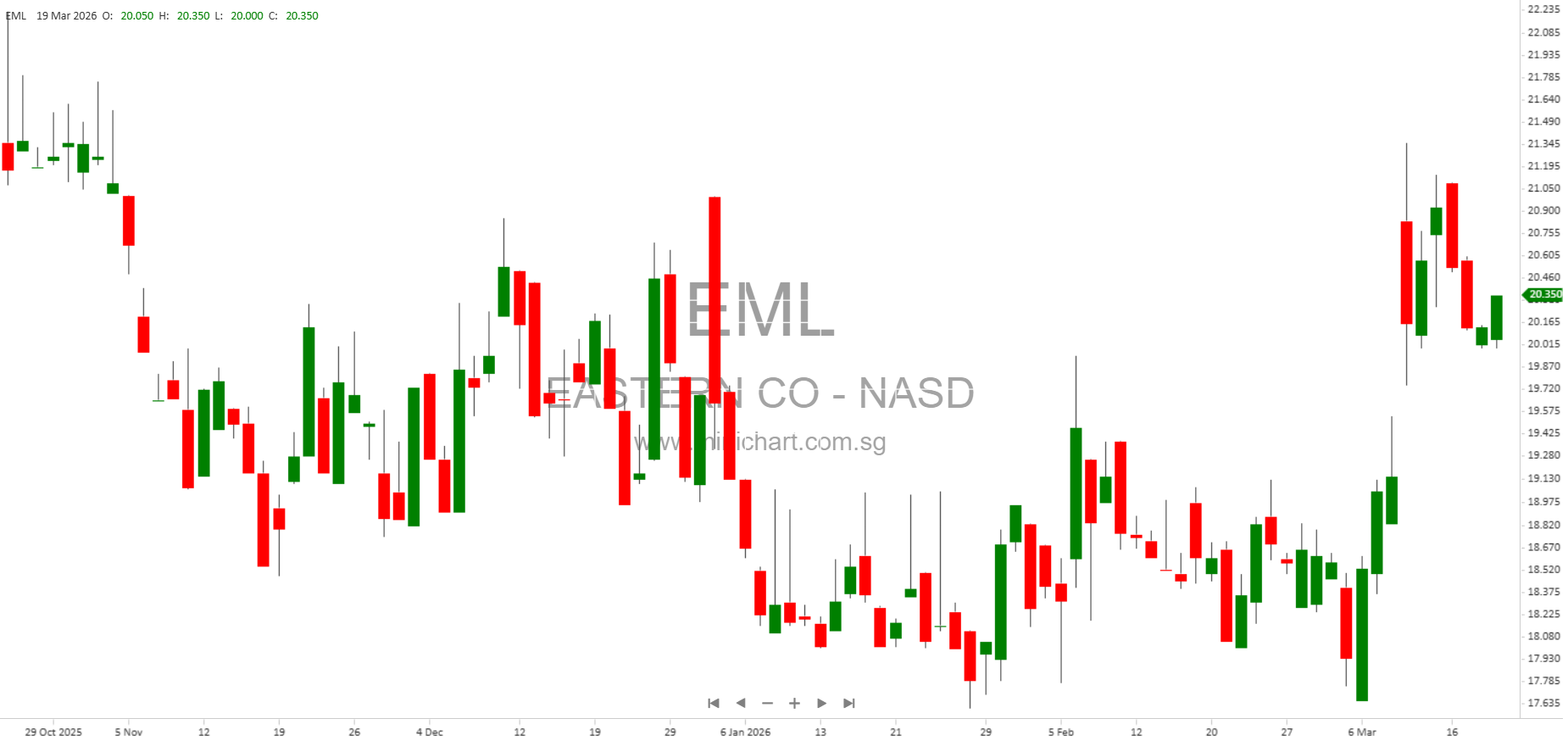
- Share Price Volatility and Liquidity: Eastern’s shares are “thinly traded,” meaning price swings could be exaggerated, and liquidity may at times be limited, potentially affecting investors’ ability to sell at desired prices.
- Financial Controls: As an accelerated filer, Eastern is subject to Sarbanes-Oxley Act Section 404 requirements. The Company must maintain effective internal controls over financial reporting. Any material weakness or delay in auditor attestation could undermine investor confidence.
- No Mine Safety or Unresolved Staff Comments: The Company reported no applicable mine safety issues or unresolved SEC staff comments.
- Cybersecurity Disclosures: The Company provided detailed disclosures regarding its risk management processes, technical safeguards, incident response plans, and board-level oversight for cybersecurity. No material cybersecurity incidents were reported for the period.
What Investors Should Watch
- Compliance and Governance: While this 10-K/A is administrative, it underscores the importance of full compliance with SEC filing requirements. Any lapse in governance or reporting could impact investor trust and possibly regulatory standing.
- Market and Operational Risks: The Company’s future performance is tied to its ability to innovate, navigate global competition, and respond to macroeconomic and regulatory changes. Investors should remain alert to updates on these fronts, as any material changes could impact valuation.
- Debt and Capital Structure: Eastern’s restrictive credit covenants and overall indebtedness present ongoing risks. Any breach or inability to refinance could have significant negative consequences for shareholders.
- Potential Share Price Sensitivity: While this filing does not introduce new financial data, the reiteration of risks and the Company’s thinly traded stock nature mean that even administrative filings or changes in risk factors could move the share price.
Conclusion
The latest 10-K/A filing by The Eastern Company is primarily administrative in nature but reiterates a comprehensive set of risks that investors must monitor closely. The Company’s exposure to global markets, competition, regulatory changes, and financial controls are all factors that could materially impact future performance and share value. Shareholders are encouraged to review the risk factors and monitor ongoing disclosures as macroeconomic and regulatory conditions evolve.
Disclaimer: This article is for informational purposes only and does not constitute investment advice. Investors should conduct their own due diligence and consult with professional advisors before making investment decisions. The views expressed herein are based on the Company’s most recent filings and may not reflect subsequent developments.