Asana, Inc. Announces Key Executive Appointment and Approves New Incentive Bonus Plan
Key Report Highlights:
- Appointment of new Chief Accounting Officer
- Adoption of a new Incentive Bonus Plan for employees
- Amendments to Executive Severance and Change in Control Benefit Plan
- Comprehensive list of performance goals that may impact executive and employee compensation
Executive Appointment: Chief Accounting Officer
Asana, Inc., a leading work management software company, has announced the appointment of Ms. Sosa as its new Chief Accounting Officer. According to the filing, Ms. Sosa has no arrangements or understandings with any other persons regarding her appointment, nor does she have any family relationships with any directors or executive officers of the company. Furthermore, Ms. Sosa does not have any material interest in transactions requiring disclosure under Item 404(a) of Regulation S-K. This clean profile may reinforce investor confidence in the integrity and independence of the company’s financial leadership.
Adoption of the Incentive Bonus Plan
On March 10, 2026, Asana’s Board adopted a new Incentive Bonus Plan designed to drive stockholder value and motivate employees to achieve company objectives. The plan applies to executives, officers, and employees of Asana, Inc. and its subsidiaries, and is intended to be a “bonus program” as defined under U.S. Department of Labor regulations.
Details of the Incentive Bonus Plan:
- The plan establishes a Bonus Pool for each Performance Period, which is administered by the Board or its designated committee.
- Performance goals for bonus awards can be highly varied, including but not limited to: sales bookings, acquisitions, cash flow, customer retention, earnings, financial milestones, gross margin, market share, net income, product development, patents, procurement, product launch timelines, productivity, profit, regulatory milestones, return metrics (on assets, capital, equity, investment, sales), revenue growth, sales results, stock price, time to market, total stockholder return, working capital, contract values, R&D milestones, and individual objectives.
- The plan allows the administrator extensive discretion in setting and adjusting performance criteria, which may be based on GAAP or non-GAAP results. Actual results may be adjusted for one-time or unbudgeted items, affecting whether goals are met.
- All bonus awards are subject to Asana’s Clawback Policy and any policies required by law or stock exchange listing standards, including the Dodd-Frank Act. Awards may be reduced, cancelled, forfeited, or recouped if necessary, and mistaken payments must be repaid.
- The plan is intended to comply with or be exempt from Section 409A of the Internal Revenue Code, to minimize adverse tax consequences for recipients.
Potential Impact on Shareholders:
- The adoption of a broad and flexible bonus plan aligns employee incentives with shareholder interests, potentially improving financial performance and innovation.
- The inclusion of stock price, total stockholder return, and financial milestones as performance goals means that management and employee focus could directly impact share value.
- Robust clawback provisions and compliance requirements reduce risk of improper payouts and protect shareholder interests.
Amended Executive Severance and Change in Control Benefit Plan
The company also amended its Executive Severance and Change in Control Benefit Plan. Key definitions include “Change in Control” (as defined in Asana’s 2020 Equity Incentive Plan), “Change in Control Period”, “Monthly Base Salary”, “Monthly Target Incentive”, and others. These changes clarify and potentially enhance the protections and benefits for executives in the event of a company sale, merger, or significant change in ownership.
Potential Impact:
- Clearer executive severance and change-in-control benefits may help retain key talent during periods of uncertainty.
- Such benefits can influence how shareholders value the company in event-driven scenarios (e.g., acquisition, merger).
Other Noteworthy Details
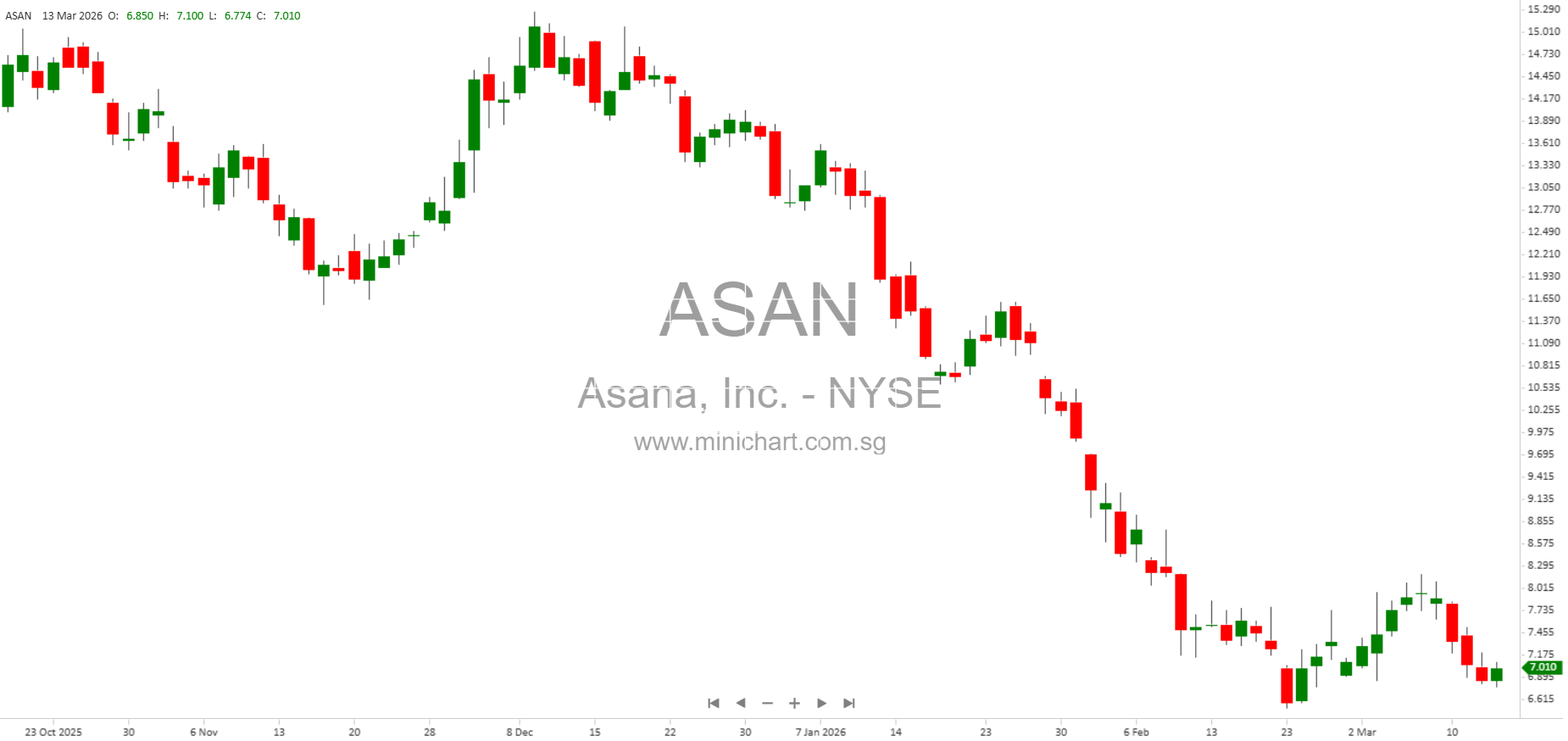
The filing confirms that Asana, Inc. is not classified as an “Emerging Growth Company,” which means it is subject to the full range of SEC reporting and compliance requirements. Its Class A Common Stock continues to trade under the symbol ASAN on the New York Stock Exchange and the Long-Term Stock Exchange.
Conclusion
Asana’s adoption of a comprehensive Incentive Bonus Plan, along with amendments to its Executive Severance and Change in Control Benefit Plan and appointment of a new Chief Accounting Officer, are significant governance and compensation moves. These actions reinforce the alignment of employee and executive incentives with shareholder value, while robust compliance and clawback provisions protect against undue risk. Investors should monitor how these changes translate into company performance and stock price movement, as they indicate a strategic effort to retain talent and drive growth in a competitive market.
Disclaimer: The above article is based on Asana, Inc.’s SEC filings and is for informational purposes only. It does not constitute investment advice. Investors should conduct their own research and consult with professional advisors before making investment decisions.