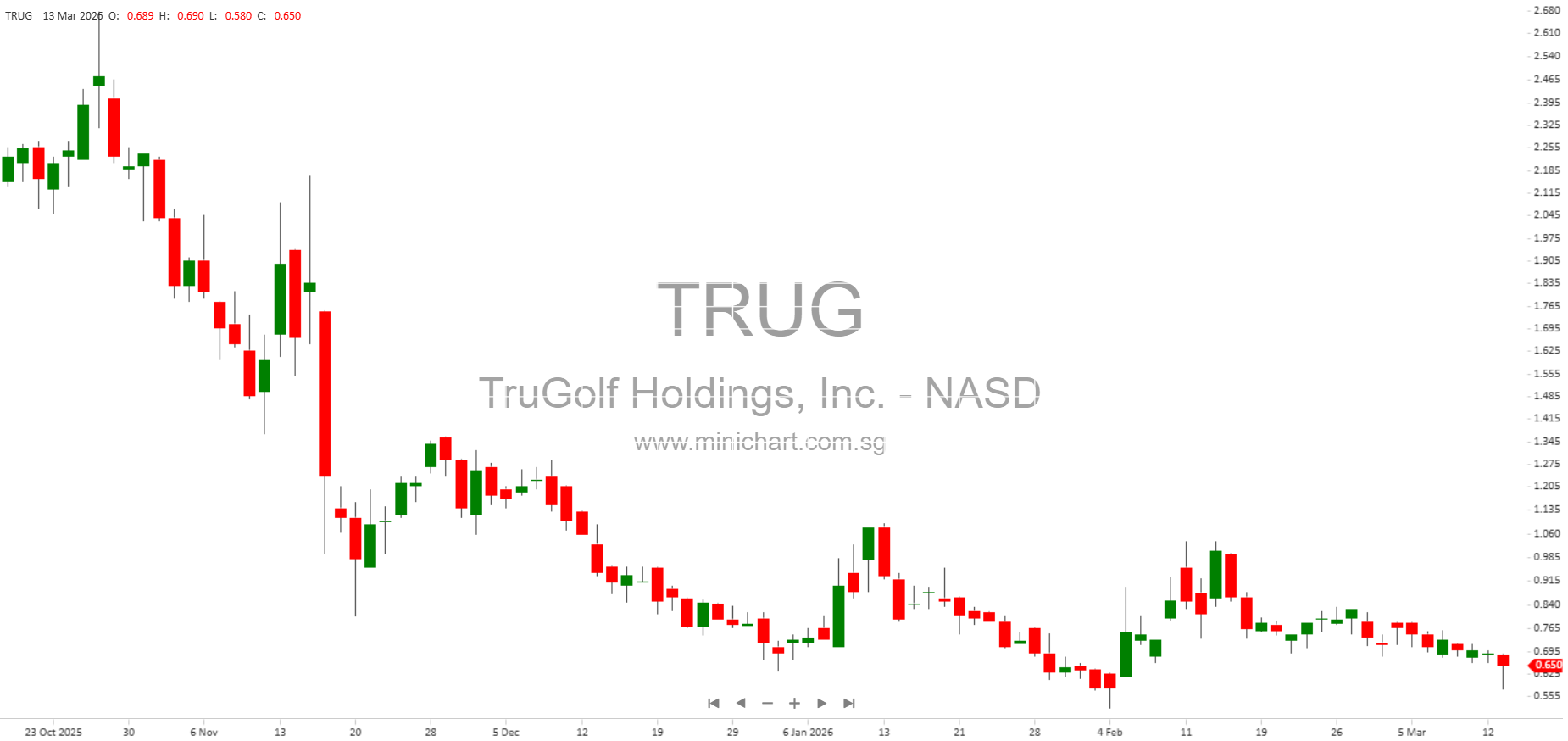
TruGolf Holdings, Inc. (NASDAQ: Trading Symbol Not Provided) Announces Major Corporate Redomestication and Key Amendments to Capital Structure
Key Points for Investors
- Redomestication Approved: TruGolf Holdings, Inc. has received shareholder approval to redomesticate from Delaware to Nevada, a move that may affect regulatory oversight, shareholder rights, and the legal environment in which the company operates.
- Material Modifications to Rights of Security Holders: The redomestication entailed significant changes to shareholder rights, including revisions to the company’s charter and bylaws, and the adoption of a Plan of Conversion.
- Amendments to Articles of Incorporation: The company filed amended and restated articles of incorporation, expanding its authorized capital structure and clarifying the rights and restrictions of various share classes.
- Preferred Stock Structure: TruGolf Holdings’ new Nevada charter authorizes up to 1,020,000,000 shares, including 10,000,000 shares of Preferred Stock with extensive terms regarding conversion, dividends, triggering events, and shareholder protections. These provisions may impact dilution and voting power.
- Emerging Growth Company Status: The company identifies as an “emerging growth company,” which allows it to take advantage of reduced disclosure requirements and extended transition periods for new accounting standards, potentially affecting transparency.
- Nasdaq Listing: Common Stock (\$0.0001 par value per share) is listed on the Nasdaq Stock Market, which implies ongoing compliance with exchange rules and potential impacts from future share issuances.
Detailed Investor Analysis
1. Redomestication and Shareholder Rights
At the Annual Meeting held on February 17, 2026, shareholders approved a proposal to redomesticate TruGolf Holdings, Inc. from Delaware to Nevada. This move was executed via a Plan of Conversion, and entails the adoption of a Nevada Charter and Nevada Bylaws. The change in jurisdiction may affect shareholder litigation rights, corporate governance standards, and regulatory oversight.
Investors should note that Nevada corporate law is generally considered more company-friendly than Delaware, with potentially less stringent fiduciary duties for directors, which could impact shareholder protections.
2. Changes to Capital Structure
The amended Articles of Incorporation now authorize:
- 1,020,000,000 shares total
- 1,010,000,000 shares of Common Stock (\$0.0001 par value), split into:
- 1,000,000,000 Class A Common Stock
- 10,000,000 Class B Common Stock
- 10,000,000 shares of Preferred Stock (\$0.0001 par value)
Preferred Stock comes with detailed provisions for dividends (accruing from the initial issuance date, payable quarterly), conversion rights (with a \$1.00 conversion price, subject to adjustment), and a comprehensive list of possible triggering events which can affect conversion, redemption, and rights of holders.
Triggering Events: These include registration statement failures, dividend failures, conversion failures, breaches of charter provisions, and any Preferred Shares remaining outstanding after January 8, 2030. These events could impact the company’s ability to raise capital or dilute current shareholders.
Voting Rights: Preferred shareholders do not have voting power except in certain circumstances that directly affect their rights. However, they have extensive protections against dilution and adverse amendments to their terms.
3. Shareholder Protections and Restrictions
- The company is restricted from issuing additional Preferred Shares, securities with issuance prices below 120% of the floor price, or entering into certain Section 3(a)(9) or 3(a)(10) transactions without incurring special dividends or requiring approval from preferred holders.
- Restrictions are placed on redemption, cash dividends, and asset transfers that could materially affect the company’s capital structure.
- Maintenance covenants require the company to remain in good standing, preserve its business lines, and retain a PCAOB-registered auditor while any Preferred Shares are outstanding.
4. Adjustment Mechanisms and Dilution Protection
The Preferred Stock includes anti-dilution provisions and mechanisms for adjusting the conversion price for events like stock splits, combinations, or new issuances at lower prices. Reset provisions automatically lower the conversion price if the closing bid price is below the conversion price at set dates, which could lead to further dilution.
Redemption and Distribution Rights: Preferred holders are entitled to distributions as if they had converted their shares into Common Stock, even if conversion restrictions apply.
5. Remedies and Dispute Resolution
The articles provide for cumulative remedies including specific performance and injunctive relief for breaches, and require the company to pay collection/enforcement costs incurred by holders. Disputes regarding pricing, conversion, or calculations are subject to binding resolution by an investment bank, whose fees are generally borne by the losing party.
6. Taxes and Payment Obligations
All payments to holders are to be made in U.S. Dollars, without set-off or withholding. The company is required to pay any stamp, documentary, excise, or property taxes related to payments, conversions, or enforcement of the Preferred Shares. If the company fails to comply, it must indemnify holders for any resulting taxes, interest, or penalties.
Potential Price Sensitive Information and Risks
- Extensive anti-dilution and triggering event provisions could protect preferred holders but may increase dilution risk for common shareholders.
- Restrictions and covenants may limit the company’s flexibility to raise capital or restructure, impacting future growth or strategic options.
- Redomestication to Nevada may alter shareholder rights and litigation risks, potentially affecting investor sentiment.
- Automatic conversion price resets and adjustments could lead to future dilution and downward pressure on the common stock price.
- Special dividends triggered by certain transactions (Section 3(a)(9) or 3(a)(10)) could increase company obligations or affect share value.
Conclusion
TruGolf Holdings, Inc.’s redomestication and amendments to its capital structure introduce significant changes for shareholders, with extensive protections for preferred holders, potential dilution risks, and new restrictions on company actions. Investors should closely monitor the company’s compliance with these provisions, as triggering events or future capital actions could materially affect share value.
Disclaimer: This article is for informational purposes only and does not constitute investment advice. Investors should consult their own financial advisors and review all official filings and disclosures before making investment decisions. The information herein is based on the company’s 8-K and amended articles of incorporation as of the dates specified and may be subject to change.