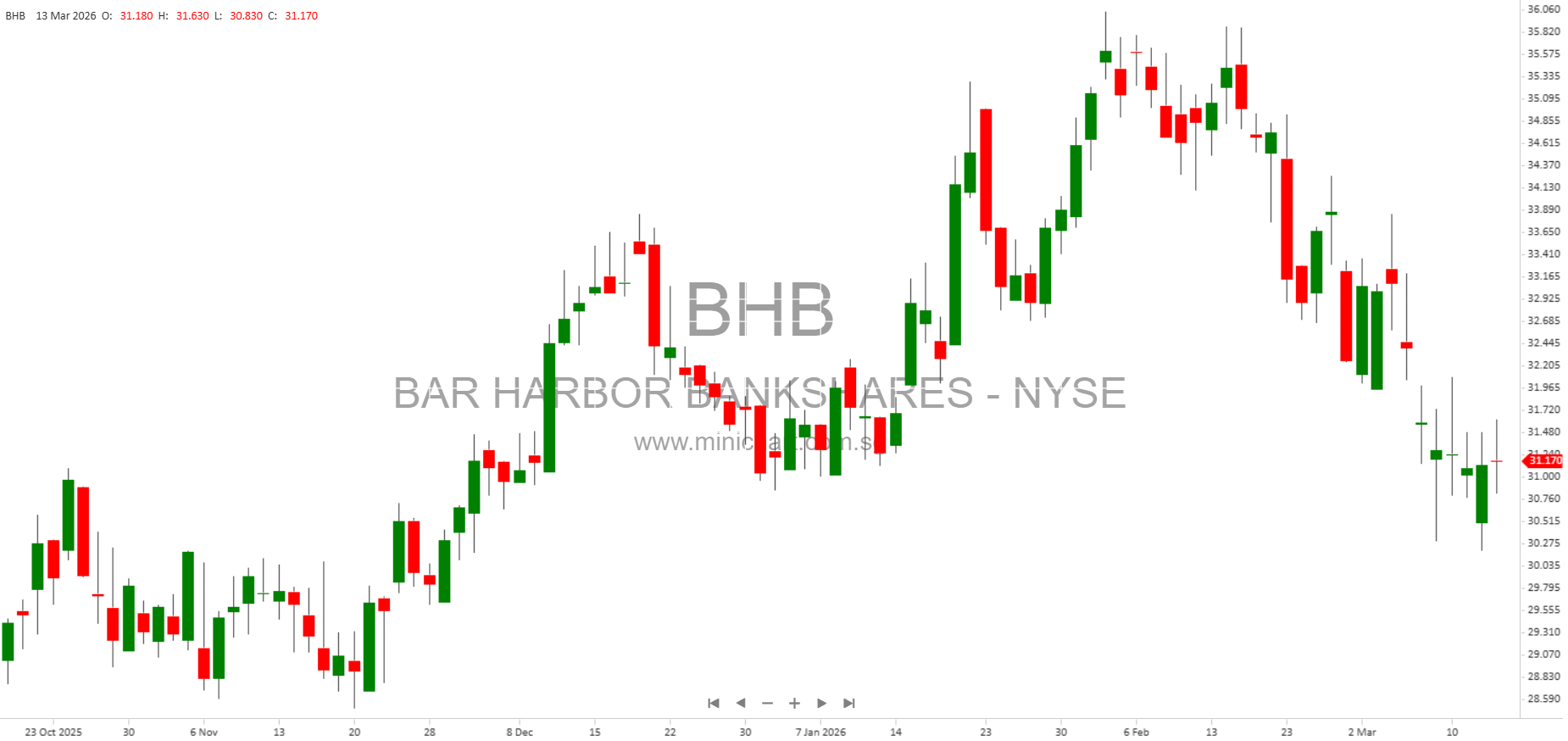
Bar Harbor Bankshares (BHB) 2025 Annual Report: Key Highlights for Investors
Summary of the 2025 Annual Report
Bar Harbor Bankshares (BHB) has released its annual report for the fiscal year ended December 31, 2025. This comprehensive filing includes critical financial information, strategic developments, and updates on risk factors that are essential for shareholders and potential investors to understand. Below are the key highlights and potential price-sensitive details from the report.
1. Company Overview and Structure
- Business Description: BHB operates as a state commercial bank headquartered in Bar Harbor, Maine. The company’s main office is located at 82 Main Street, Bar Harbor, ME 04609.
- Regulatory Framework: The company is subject to oversight under the 1934 Securities Exchange Act, with a fiscal year end of December 31.
- SEC Registration Details: CIK: 0000743367; SEC File Number: 001-13349.
2. Financial and Strategic Highlights
- Debt and Derivative Instruments: BHB’s disclosures indicate active use of interest rate swaps, hedging instruments, and exposure to the Secured Overnight Financing Rate (SOFR). This suggests a focus on managing interest rate risk in a volatile financial environment, which is highly relevant given the current macroeconomic backdrop.
- Loan Portfolio Composition: The company has detailed its loan portfolio across commercial real estate (owner and non-owner occupied), residential, consumer, and municipal segments. Internal credit assessments classify loans as Pass, Special Mention, Substandard, and Doubtful—indicating management’s focus on asset quality and risk control.
- Non-Performing Assets: The report details both performing and non-performing loans, with specific tracking of loans greater than 90 days past due and special mention of restructured and extended maturity loans. Any material changes in these figures can be price-sensitive as they affect potential credit losses and reserve requirements.
- Allowance for Credit Losses: The company provides specific breakdowns by portfolio segment and loan class, including commercial, residential, home equity, and consumer portfolios. Movement in these allowances is a key indicator of underlying asset quality.
- Fair Value Measurements: The company discloses recurring and non-recurring fair value measurements for securities, including U.S. government agencies, mortgage-backed securities (both government and private), and other financial instruments. Movements between Level 1, 2, and 3 inputs are closely watched by investors, as they indicate changes in market liquidity and valuation uncertainty.
- Investment Securities: BHB holds available-for-sale securities, with details on reclassification out of accumulated other comprehensive income. Changes in the valuation of these securities, especially in response to interest rate changes, can impact reported earnings and book value.
3. Shareholder Equity and Capital Actions
- Share Repurchases and Treasury Stock: The company tracks common stock, treasury stock, additional paid-in capital, retained earnings, and accumulated other comprehensive income. Any significant share repurchase or changes to capital structure could be price-sensitive.
- Equity Incentive Plan: The Bar Harbor Bankshares and Subsidiaries Equity Incentive Plan of 2019 is active, with awards including restricted stock units (RSUs), restricted stock, and performance shares. The weighted average contractual terms and the grant of new awards may affect dilution and executive incentives.
4. Recent or Prospective Corporate Actions
- Acquisition Activity: The context mentions Guaranty Bancorp as a business acquisition member for the third quarter of 2025, suggesting a potentially material acquisition. Acquisitions can be highly price-sensitive as they may impact future earnings, integration costs, and strategic direction.
- Intangible Assets: The report details finite-lived intangibles such as customer lists and core deposits. Amortization and impairment of these assets can affect future profitability and balance sheet strength.
5. Other Price-Sensitive Disclosures
- Revenue Recognition: The report segments income streams within and outside the scope of ASC 606, including investment advisory, trust, and other financial services. Any change in the composition of these revenue sources or timing of recognition could affect quarterly and annual results.
- Hedging and Derivatives: The company designates both economic and accounting hedges, with gains/losses and notional positions detailed by counterparty. Shifts in hedging strategy or material derivative exposures could signal management’s outlook on interest rates and asset-liability matching.
- Tax Matters: The company is subject to state tax authority oversight (including Massachusetts), with potential reclassifications out of accumulated other comprehensive income related to available-for-sale securities. These could affect after-tax earnings.
6. Potential Share Price Movers
- Credit Quality Trends: If BHB’s non-performing assets or loans past due rise materially, or if there are significant downgrades in credit quality (e.g., more loans moving to Substandard or Doubtful), this could negatively affect share price due to higher provisioning and lower earnings.
- Acquisition Integration: The referenced Guaranty Bancorp acquisition could be priced in positively or negatively, depending on integration success, cost synergies, and strategic alignment.
- Fair Value Adjustments: Significant moves in the value of securities portfolios (especially Level 3 assets) or derivatives could impact earnings and book value, influencing investor sentiment.
- Capital Actions: Any share buybacks, changes to dividend policy, or new capital raises could move the stock depending on the context and scale.
- Regulatory or Tax Developments: Adverse developments or material changes in regulatory status, tax positions, or compliance could also be price-sensitive.
Conclusion
The 2025 Annual Report for Bar Harbor Bankshares provides investors with a detailed snapshot of the company’s risk profile, credit quality, capital management, and strategic actions. The most potentially price-sensitive items include the status and integration of any acquisitions, shifts in credit quality and provisioning, large movements in fair value of securities, and any changes to capital actions such as share repurchase or dividend policy. Investors should monitor these areas closely for developments that could impact BHB’s future earnings and share price.
Disclaimer: This article is for informational purposes only and does not constitute investment advice. Investors should review the full SEC filing and consult with their own financial advisors before making any investment decisions. The information presented is based on the most recent filings and may be subject to change.