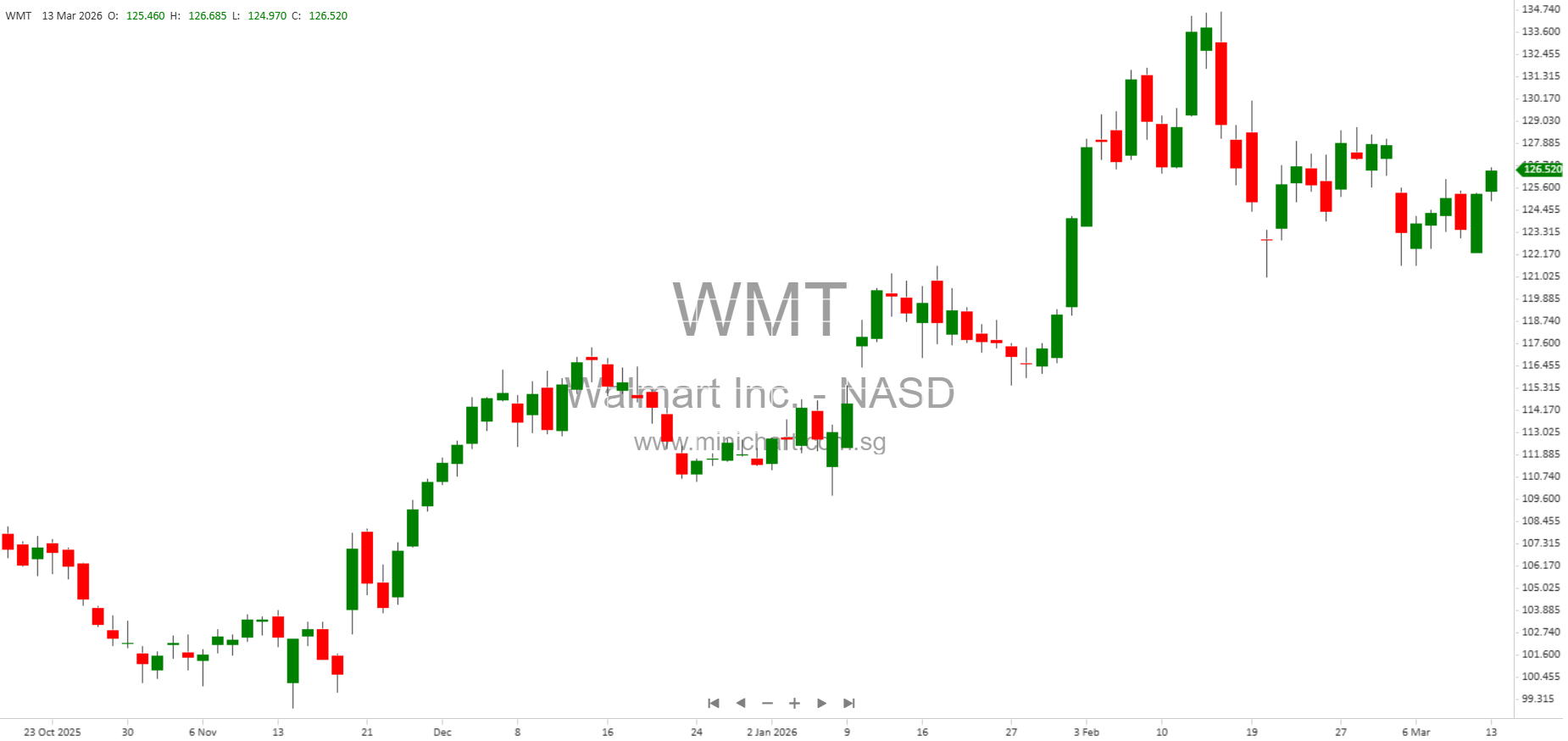
Walmart Inc. 10-K Report for Fiscal Year Ended January 31, 2026: Investor Highlights and Analysis
Key Points from the Annual Report
- Fiscal Year End: January 31, 2026
- Market Value: As of July 31, 2025, the aggregate market value of voting common stock held by non-affiliates was \$391.7 billion.
- Shares Outstanding: As of March 11, 2026, Walmart had 7,972,402,501 shares of common stock outstanding.
- Securities: Multiple notes and bonds listed on Nasdaq, including Common Stock (WMT), and a range of notes with maturities from 2026 to 2039, all registered and trading on The Nasdaq Stock Market LLC.
- Issuer Status: Walmart is a well-known seasoned issuer, a large accelerated filer, and is not a shell company.
- Internal Controls: Walmart’s management assessment of internal control effectiveness is attested by its independent auditor under Section 404(b) of the Sarbanes-Oxley Act.
- Key Documents Incorporated: Portions of the Proxy Statement for the Annual Meeting of Shareholders on June 4, 2026 are incorporated into Part III of the report.
Important Shareholder Information & Price Sensitive Issues
- Omnichannel Strategy & Technology Investments:
Walmart is investing heavily in technology, automation, and digital tools, including the use of artificial intelligence (AI), supply chain upgrades, and omnichannel customer initiatives such as same-day pickup and delivery. The company highlights potential risks if these investments do not meet consumer expectations or if execution fails. Such issues could materially affect market position, net sales, and financial performance.
- Seasonality & Sales Trends:
Historically, Walmart’s highest sales volume occurs in the fourth quarter, driven by national and religious holidays, festivals, and weather patterns. Investors should note the seasonal nature of sales and potential variation year-to-year.
- Strategic Risks:
The retail industry is rapidly evolving. Walmart faces risks from consolidation in the sector, new and emerging competitors, and increased price transparency and consumer empowerment through digital tools. Failure to respond effectively to consumer trends, shopping patterns, and preferences could impact reputation, demand, and market share.
- Macroeconomic Risks:
Walmart warns that macroeconomic factors—such as inflation, recessionary pressures, changes in interest rates, petroleum prices, currency fluctuations, and global economic conditions—could materially affect financial performance. These factors may also impact suppliers, potentially increasing costs or reducing product availability.
- Regulatory & Legal Risks:
Walmart operates globally and is subject to varied laws and regulations. Adverse outcomes in litigation or regulatory investigations could lead to significant liabilities and expenses, affecting financial results and share value.
- Corporate Governance & Transparency:
Walmart maintains high standards for ethics and integrity, reporting environmental, social, and governance (ESG) priorities on its corporate website. Any substantive amendments or waivers in governance protocols will be disclosed online for 12 months.
- Forward-Looking Statements:
The report contains numerous forward-looking statements regarding business growth, investments, financial measures, liquidity, capital expenditures, and returns to shareholders through share repurchases and dividends. These statements are subject to risks and uncertainties, and actual results may differ materially.
- Share Repurchases & Dividends:
Walmart expects to continue providing returns to shareholders via share repurchases and dividends, with funding sources and authorization periods disclosed. This commitment, if sustained, is typically viewed positively by investors.
Potential Share Price Movers
- Heavy Investment in AI and Technology: Walmart’s significant investments in AI, automation, and digital platforms represent both an opportunity and a risk. Successful execution could enhance competitiveness and profitability, while failure could negatively impact financial results and share value.
- Macroeconomic Uncertainty: Inflation, interest rates, energy prices, and global economic conditions are cited as key risks. Unexpected changes could impact consumer spending and Walmart’s operational costs, potentially influencing share price.
- Regulatory and Legal Proceedings: Any adverse outcome in major litigation or investigations could result in substantial financial liabilities and reputational damage, impacting share values.
- Omnichannel Execution: The effectiveness of Walmart’s omnichannel strategy is critical. If Walmart fails to deliver a seamless customer experience across physical and digital channels, market share and sales could suffer.
- ESG and Governance Issues: Changes in governance, ethical standards, or ESG priorities may influence investor sentiment and, by extension, share price.
Other Details for Investors
- Walmart is a large accelerated filer and a well-known seasoned issuer, reinforcing its credibility and regulatory compliance.
- The company’s financial statements have not been corrected for errors, and no restatements requiring recovery analysis of incentive-based compensation have occurred in the reporting period.
- Walmart is not a shell company and has filed all required reports with the SEC.
- All relevant SEC filings, governance protocols, and codes of conduct are available online for investor review.
Disclaimer
This article is for informational purposes only and does not constitute investment advice. All forward-looking statements are subject to risks and uncertainties, and actual results may differ materially. Investors should review the full 10-K report and consult with their financial advisors before making investment decisions. The author does not accept liability for any loss resulting from actions taken based on this article.