Better Home & Finance Holding Co 2025 Annual Report: Key Highlights and Investor Insights
Overview
Better Home & Finance Holding Company (“Better” or the “Company”) has released its Annual Report for the fiscal year ended December 31, 2025. The report provides comprehensive insight into the company’s financial condition, operating performance, strategy, and the principal risks facing the business. This summary aims to highlight the most critical developments, potential price-sensitive information, and risk factors that investors and shareholders must be aware of.
Key Points for Investors
1. Financial Performance and Profitability Challenges
- Net Loss of \$165.9 Million for 2025: Better reported a significant net loss of \$165.9 million for the year ended December 31, 2025. This continues a multi-year trend of operating losses, with the only profitable year in recent history being 2020. The company cautions that it may not achieve or maintain profitability in the future, underscoring ongoing challenges with revenue growth and cost management.
- Negative Cash Flows: The company has experienced negative cash flows from operations for most of its history, which could affect its ability to invest in growth or weather future downturns.
- Revenue Volatility: The company’s revenue and gain-on-sale margins are highly sensitive to interest rate levels and volatility, which impacted results in 2025. Investors should be aware that fluctuating interest rates and changes in U.S. monetary policy can materially affect the company’s business.
2. Business Model and Strategic Focus
- Asset-Light Model: Better’s strategy is to manufacture loans and sell them, along with associated mortgage servicing rights (MSRs), to secondary market investors and government-sponsored enterprises (GSEs) rather than holding them on the balance sheet. As of December 31, 2025, the company reported limited permanent retention of these assets.
- Dependence on Secondary Market: The ability to sell loans and MSRs is critical to the company’s liquidity and ongoing operations. The company warns that any disruption in its ability to sell loans—whether due to market, regulatory, or partner changes—could materially impair its business.
- Customer Acquisition and Retention: The business remains heavily reliant on its mortgage loan production. The company is investing in direct-to-consumer channels and partnerships but faces intense competition in online marketing, search engine placement, and partner relationships.
3. Leadership, Workforce, and Talent Risks
- High Management and Staff Turnover: The company experienced significant employee attrition in 2025, especially among senior management, resulting in the loss of valuable institutional knowledge and capabilities in areas such as legal, compliance, finance, and IT.
- Reputational Challenges: Negative media coverage related to workforce reductions and other events has impacted the company’s ability to attract and retain top talent and maintain commercial partnerships.
- Key Person Risk: The future success of Better is highly dependent on the leadership of CEO Vishal Garg and other senior executives. The loss of these individuals could have a material adverse effect on the business.
- CEO Litigation: The CEO is involved in litigation, which the company acknowledges could materially impact revenues, financial condition, and overall prospects.
4. Regulatory, Compliance, and Legal Risks
- Heavily Regulated Environment: Better operates in a complex, heavily regulated industry, including mortgage origination, real estate brokerage, title and settlement services, and homeowners insurance. The company faces risks from potential noncompliance with federal, state, and local laws.
- Ongoing and Potential Litigation: The company is subject to litigation and regulatory enforcement matters, which, if adverse, could materially affect its financial health.
- Internal Controls: The company reports that it remediated previously disclosed material weaknesses in its internal controls over financial reporting as of December 31, 2025. However, it warns that additional weaknesses or failures in internal controls could be discovered in the future, impacting investor confidence and potentially triggering regulatory action.
- Better Cover (Insurance Agency): The company’s property and casualty insurance agency faces additional regulatory oversight and risk, with state-by-state licensing requirements that can be amended or revoked by regulators.
5. Technology, Intellectual Property, and Competitive Risks
- Technology Platform (Tinman): Better’s core platform tracks thousands of data points per loan file, supporting compliance and efficiency. However, some technology components are owned by entities affiliated with the CEO and other executives, introducing potential risks.
- Intellectual Property Concerns: Despite protections, the company acknowledges the risk of unauthorized use of its intellectual property, which could harm its competitive position.
- Intense Competition: Better faces strong competition from both traditional and digital mortgage providers. Marketing costs are rising, and the digital landscape is highly competitive.
- Model and Data Risks: The company’s reliance on models for pricing, underwriting, and risk assessment could lead to losses if the models fail to adapt to changing market conditions or are based on incomplete data.
6. Global Operations and Geopolitical Risks
- International Exposure: Operations in the United Kingdom and India expose Better to foreign regulations, operational challenges, and political/economic risks that the company has limited experience managing.
7. Capital Markets, Stock Structure, and Shareholder Considerations
- Multiple Classes of Common Stock: The existence of multiple share classes may adversely impact the value and liquidity of Class A common stock.
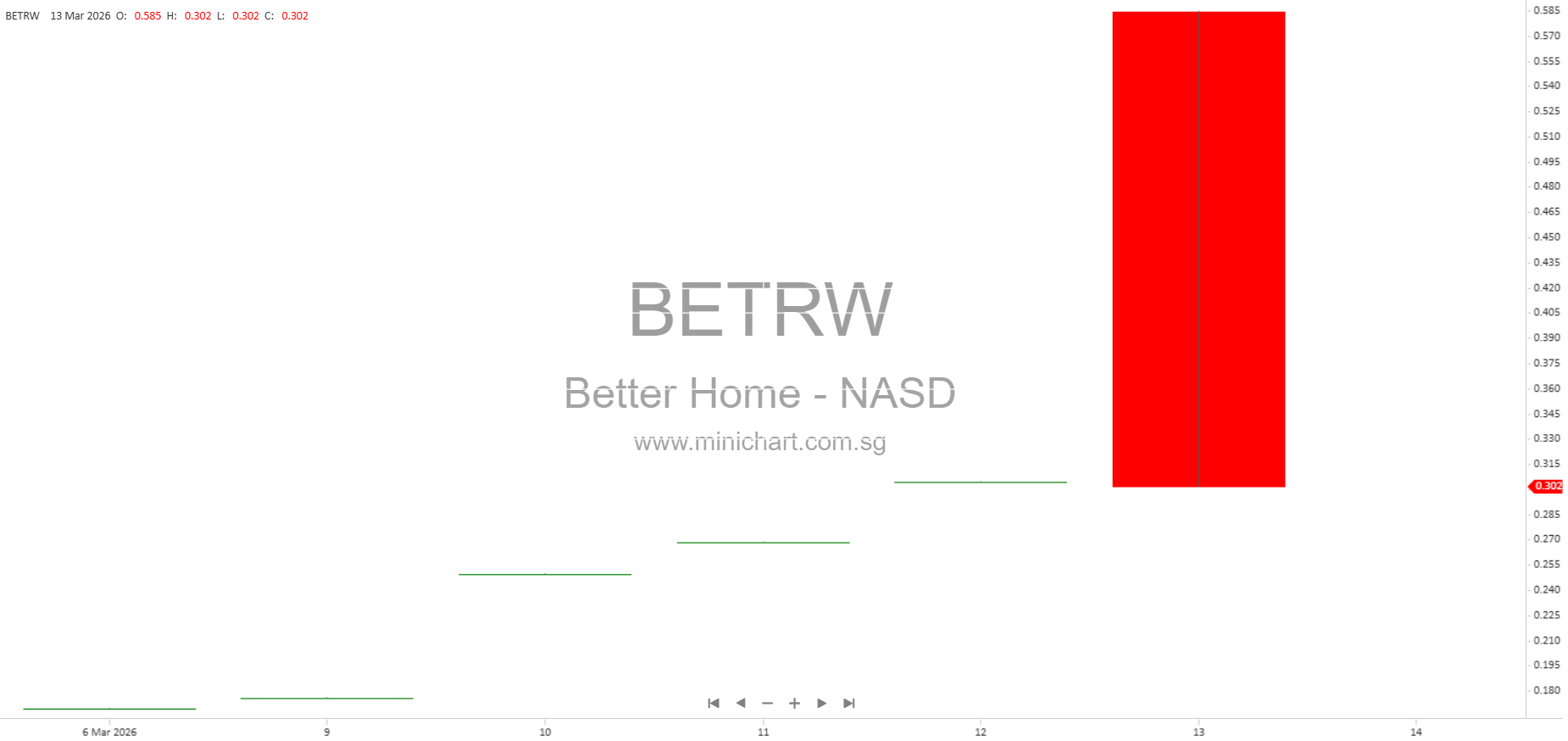
- Stock Price Volatility: The market price for Better’s Class A common stock has been extremely volatile and may remain so due to multiple factors, including operational results, market sentiment, and company developments.
- Aggregate Market Value: As of June 30, 2025, the aggregate market value of equity held by non-affiliates was approximately \$169 million, based on a closing price of \$12.39 per share.
- SEC and Nasdaq Compliance: The company is subject to ongoing compliance requirements as a Nasdaq-listed firm.
Potentially Price-Sensitive Issues
- The large net loss for 2025 and continued uncertainty about the path to profitability.
- Remediation of internal control material weaknesses, but warning of future risks.
- High management turnover and reputational risks affecting talent retention and commercial partnerships.
- Legal exposure, including ongoing litigation involving the CEO.
- Dependence on a limited number of secondary market buyers and GSEs for liquidity.
- Regulatory and compliance risks in all operating segments, including the insurance agency.
- Potential for further share price volatility due to operational and market uncertainties.
Other Important Disclosures
- Auditor: Deloitte & Touche LLP, New York, NY.
- SEC Filings: All company filings and material information are available free of charge at www.better.com and the SEC’s website.
- Share Classes: 1,437,545 shares of Class C common stock issued and outstanding.
Conclusion for Investors
The 2025 Annual Report from Better Home & Finance Holding Co outlines a business facing significant profitability, operational, and regulatory challenges. While the company has taken steps to remediate certain internal control issues and is evolving its business model, substantial risks remain. Investors should closely monitor ongoing litigation, executive turnover, regulatory developments, and the company’s ability to return to profitability. The high volatility in the company’s share price and complex business environment suggest continued uncertainty ahead.
Disclaimer: This article is a summary interpretation of the 2025 Annual Report of Better Home & Finance Holding Co intended for informational purposes only. It does not constitute investment advice. Investors should read the full annual report and consult with financial advisors before making any investment decisions. The author and publisher accept no liability for investment losses related to the information provided above.