Bayview Acquisition Corp 2025 Annual Report: Key Highlights and Shareholder Alerts
Executive Summary
Bayview Acquisition Corp (“Bayview” or the “Company”), a Cayman Islands exempted company listed on Nasdaq, has published its Annual Report for the fiscal year ended December 31, 2025. This report provides investors with important updates, business strategies, risk factors, and compliance matters that could significantly impact the Company’s share value.
Key Points and Investor Highlights
1. Nasdaq Delisting Risk
-
Ongoing Non-Compliance: Bayview has received multiple notices from Nasdaq regarding non-compliance with listing requirements. Specifically:
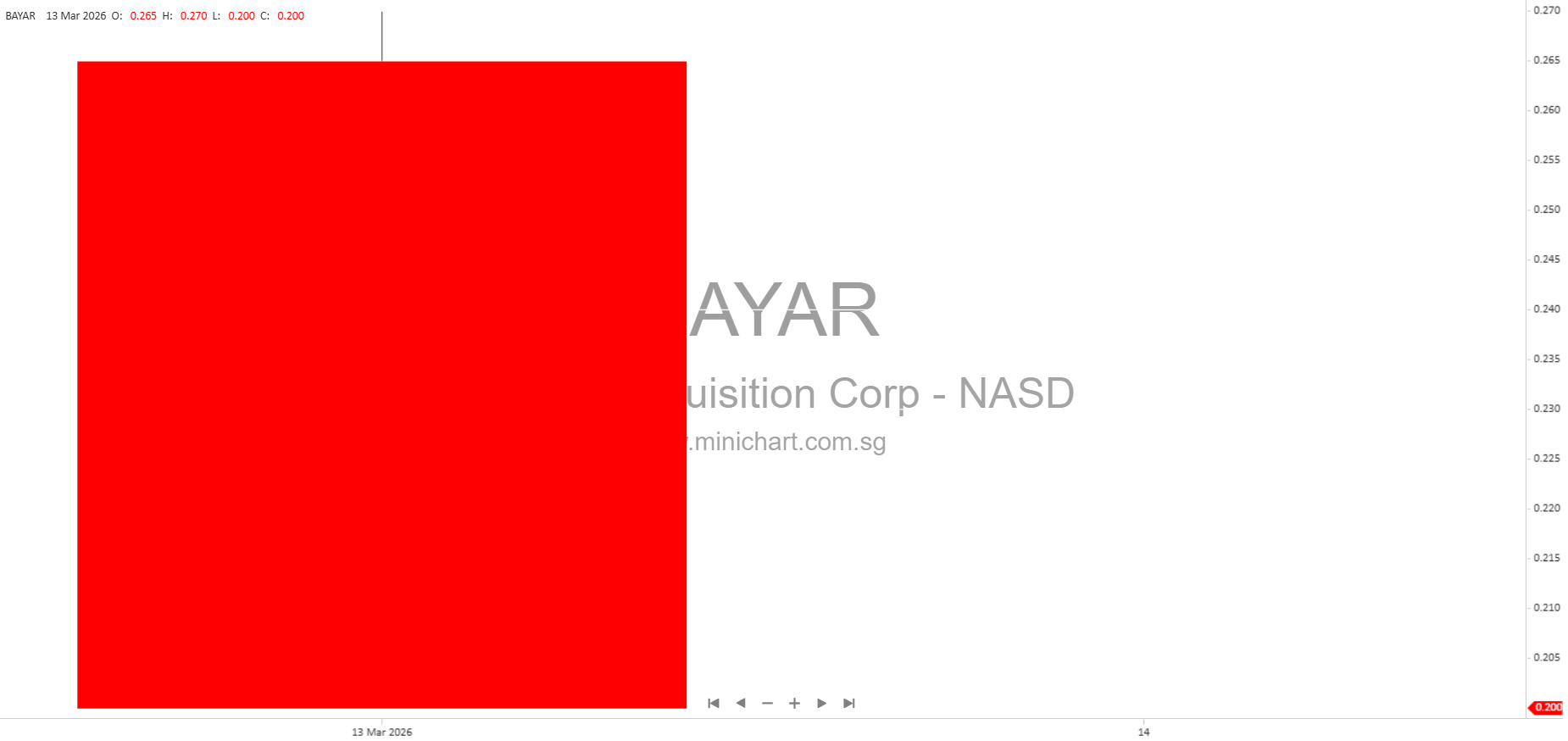
- On August 22, 2025, Bayview was notified it was not compliant with Nasdaq Listing Rule 5450(b)(2)(A), as its minimum market value of listed securities (MVLS) fell below \$50 million.
- On January 16, 2026, a further notice cited non-compliance with minimum market value of publicly held shares (MVPHS), which must be at least \$15 million.
- On February 12, 2026, the Company received yet another non-compliance notice.
If the Company fails to regain compliance within the 180-day cure period, its securities face potential delisting from Nasdaq. This is a significant risk that may severely affect liquidity and market value.
2. Status as a Blank Check Company / SPAC
- Bayview is a Special Purpose Acquisition Company (SPAC) with no operating history or revenues. Its sole purpose is to effect a business combination with one or more target businesses.
- The Company’s success and valuation are highly dependent on its ability to identify and consummate a suitable business combination.
- There is substantial doubt about Bayview’s ability to continue as a going concern, as highlighted by the Company’s independent auditor. As of December 31, 2025, Bayview reported a working capital deficit of \$3,414,653.
3. Business Strategy & Target Criteria
- Bayview’s management team, comprised of seasoned financial, legal, and operational professionals, is focused on acquiring companies with:
- Strong management teams
- Potential for significant revenue and earnings growth
- Ability to generate strong, stable, and increasing free cash flow
- Businesses that would benefit from access to public markets
- The business combination must involve one or more targets with an aggregate fair market value of at least 80% of the trust account assets at the time of agreement (excluding certain fees and taxes).
- Targets must provide audited financial statements compliant with U.S. GAAP or IFRS, which may limit the pool of potential targets.
4. Key Risks for Investors
- Delisting: As noted, Bayview is at risk of being delisted from Nasdaq, which would impact trading liquidity and share value.
- Redemption Risk: The ability of public shareholders to redeem their shares for cash could make Bayview’s financial condition unattractive to potential targets and complicate business combination negotiations.
- Market and Regulatory Risks: The SPAC sector faces increased regulatory scrutiny, challenging debt and equity market conditions, and possible protectionist legislation.
- Emerging Growth and Smaller Reporting Company: Bayview takes advantage of reduced SEC disclosure requirements, which may make its shares less attractive to some investors and harder to compare with other public companies.
-
China-Related Risks: If Bayview targets a company in China, investors face additional risks, including:
- Unpredictable regulatory changes by Chinese authorities
- Potential government intervention or influence
- Data security oversight by the Cyberspace Administration of China
- Currency conversion controls and enforcement risks
- Failure to Complete a Business Combination: If Bayview cannot complete a business combination within 30 months of its IPO, it will redeem shares and wind up, with shareholders receiving only about \$10 per share (or possibly less), and Rights expiring worthless.
5. Shareholder Rights and Voting
- Shareholders may not be able to vote on the business combination unless Bayview seeks shareholder approval.
- The only opportunity for investors to influence the business combination is to redeem their shares for cash.
6. Other Material Factors
- No Ongoing Legal Proceedings: As of the report date, there are no material litigations or governmental proceedings against Bayview or its management.
- Complexities of the SPAC Market: Increased competition for attractive targets, rising costs (including D&O insurance), and tighter regulations may further complicate Bayview’s ability to close a deal.
- Potential Dilution: The company may issue additional shares or preferred shares in connection with a business combination, which would dilute existing shareholders.
Conclusion
Bayview Acquisition Corp’s 2025 Annual Report raises significant red flags for current and potential investors. The risk of Nasdaq delisting, going concern issues, and the uncertainties inherent in the SPAC structure—especially given the lack of a completed business combination—are all material factors that could impact the Company’s share price and liquidity in the near term. Investors should monitor upcoming regulatory deadlines and announcements regarding Nasdaq compliance and any progress toward a business combination.
Disclaimer
This article summarizes and interprets information from Bayview Acquisition Corp’s 2025 Annual Report. It is intended for informational purposes only and does not constitute investment advice. Investors should conduct their own due diligence or consult a financial advisor before making investment decisions. The Company’s future performance is subject to significant risks and uncertainties, as detailed above.